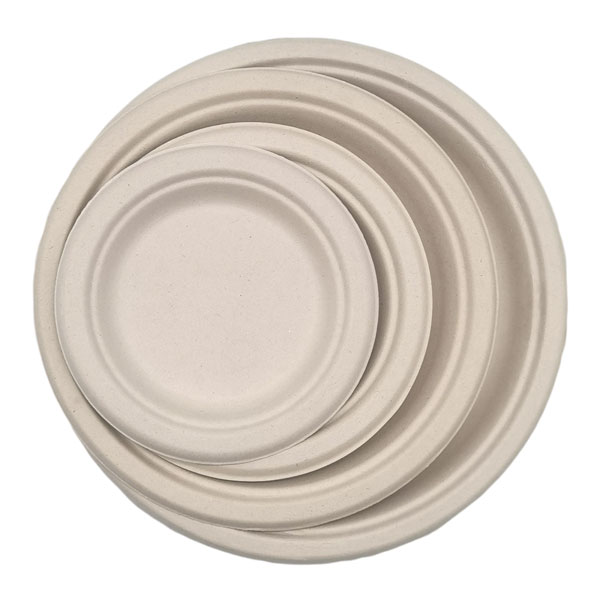
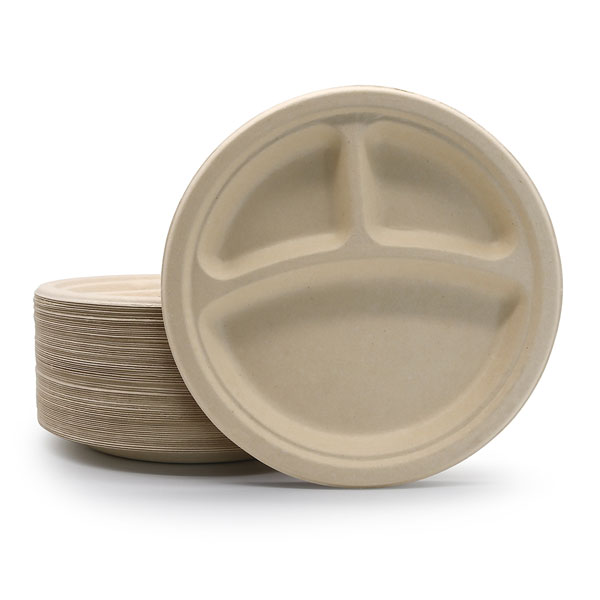
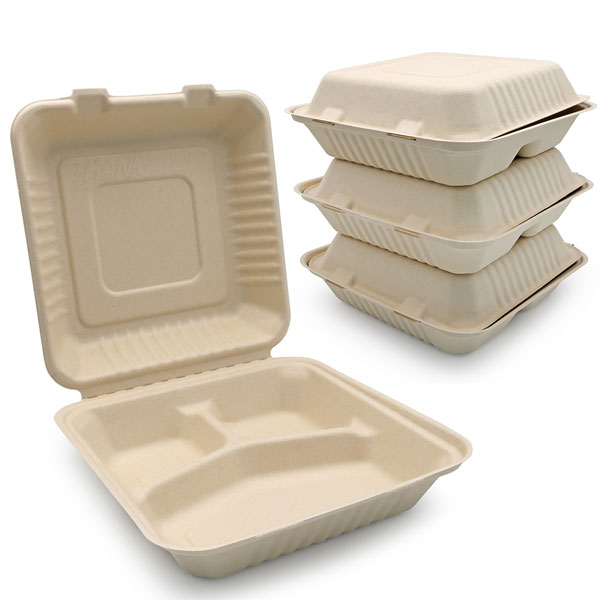
Every kilogram matters in aviation. For airlines, reducing weight isn't just about efficiency—it's about survival in a competitive market where fuel costs can make or break profitability. Traditional plastic and ceramic catering equipment has long been a necessary burden, but what if there was a smarter solution? Enter compostable plates made from sugarcane bagasse, the agricultural waste product that's revolutionizing airline catering worldwide.
When a major international carrier decided to overhaul their catering operations, they faced a critical challenge: how to maintain quality while reducing operational costs. Their solution? Replacing traditional catering ware with lightweight, durable compostable plates specifically designed for airline use. The results were staggering:
• Average weight reduction of 42kg per flight
• Annual fuel savings estimated at $150,000 per aircraft
• Reduced waste handling costs by 28%
• Lower carbon emissions through decreased fuel consumption
Sugarcane bagasse, the fibrous residue left after extracting juice from sugarcane, offers unique advantages for airline catering:
• Lightweight yet sturdy: 65% lighter than traditional ceramic alternatives
• Heat resistant: Can withstand temperatures up to 220°F (105°C)
• Oil and moisture resistant: Perfect for airline meal service
• 100% compostable: Breaks down in commercial composting facilities within 90 days
• Customizable: Can be branded with airline logos and designs
The weight savings were impressive, but the real surprise came from passenger feedback. After implementing compostable plates, the airline recorded a remarkable 31% increase in passenger satisfaction scores related to catering services. Here's why:
• Enhanced dining experience: Premium feel without the environmental guilt
• Quieter service: Reduced clattering compared to traditional ceramics
• Visual appeal: Natural, elegant appearance that photographs well
• Environmental alignment: Modern travelers appreciate sustainable choices
• Safety advantageIslCompostable Food Packaging
One of the key factors in the successful implementation was customization. The airline worked with specialists to create compostable plates that:
• Featured their logo and brand colors
• Were sized specifically for their meal service requirements
• Included compartmentalized designs for different meal components
• Matched their overall brand aesthetic and service philosophy
Transitioning to compostable plates requires careful planning. Based on successful airline implementations, here's a proven approach:
1. Assessment Phase: Analyze current catering operations and identify improvement opportunities
2. Prototype Development: Create custom compostable plates samples for testing
3. Pilot Program: Implement on select routes to gather data and feedback
4. Full Rollout: Scale across the fleet with optimized logistics
5. Continuous Improvement: Monitor performance and make adjustments as needed
While the weight reduction benefits are quantifiable in dollars, the environmental impact extends far beyond:
• Waste reduction: Traditional plastic catering items often end up in landfills
• Carbon footprint: Lighter weight means less fuel burned
• Circular economy: Sugarcane bagasse utilizes agricultural waste
• ESG compliance: Meets growing regulatory and investor requirements
• Brand reputation: Positions airlines as sustainability leaders
The success of compostable plates in airline catering is just the beginning. Industry experts predict several emerging trends:
• Multi-functional designs: Plates that serve multiple purposes to further reduce weight
• Smart packaging: Integration with temperature control and freshness indicators
• Regional customization: Designs that reflect local cuisine and cultural preferences
• Enhanced durability: Advances in material science for even longer-lasting options
• Supply chain optimization: Local production to reduce transportation emissions
Ready to explore how compostable plates can transform your airline's catering operations? The journey begins with understanding your specific needs and constraints. Whether you're looking to reduce weight, improve passenger satisfaction, or enhance your environmental credentials, custom compostable plates offer a proven solution that delivers measurable results.
The aviation industry stands at a crossroads where sustainability and profitability no longer need to be mutually exclusive. With innovative solutions like sugarcane bagasse compostable plates, airlines can reduce costs, please passengers, and protect the planet—all while serving meals at 35,000 feet.