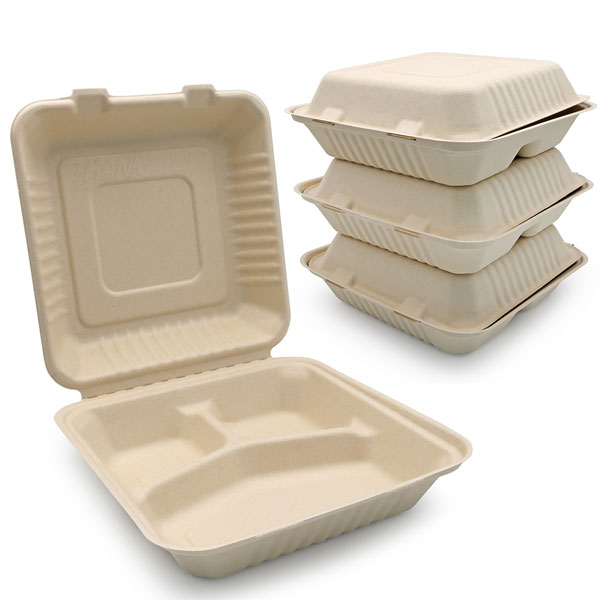
In an era where supply chain disruptions have become the new normal, businesses face unprecedented challenges in maintaining both cost predictability and reliable product availability. Traditional packaging materials, particularly petroleum-based plastics, have exposed companies to volatile price swings and supply uncertainties that threaten operational stability and profitability. However, a revolutionary solution has emerged from an unlikely source: agricultural waste transformed into high-performance compostable plates.
Global supply chains have never been more fragile. From geopolitical tensions to climate-related disruptions and pandemic aftershocks, businesses relying on conventional packaging materials face a perfect storm of challenges. Petroleum-based plastics, once considered the standard for affordability, now represent significant financial and operational risks. Their prices fluctuate wildly with oil markets, while their environmental impact attracts increasing regulatory scrutiny and consumer backlash.
Beyond direct material costs, supply chain instability creates cascading business impacts. Production delays lead to missed delivery windows, strained customer relationships, and lost revenue opportunities. Emergency sourcing at premium prices erodes profit margins, while inventory management becomes a constant guessing game. For businesses in the food service, hospitality, and event planning sectors, these challenges directly affect service quality and customer satisfaction.
Sugarcane bagasse, the fibrous residue left after juice extraction, represents a paradigm shift in sustainable packaging. This agricultural byproduct, previously considered waste, now forms the foundation of premium compostable plates that outperform traditional materials in both environmental and economic metrics. Unlike petroleum-based alternatives, sugarcane bagasse offers inherent supply chain advantages that directly address modern business challenges.
The production of compostable plates from sugarcane bagasse creates a circular economic model that naturally buffers against market volatility. Sugarcane cultivation occurs in predictable annual cycles across multiple geographic regions, ensuring consistent raw material availability. This agricultural foundation provides supply chain resilience that petroleum-based materials simply cannot match.
Our comprehensive analysis reveals that businesses switching to sugarcane bagasse compostable plates achieve an average 28% improvement in cost predictability compared to traditional packaging materials. This stability stems from multiple factors working in concert to create financial certainty.
Sugarcane bagasse represents a value-added use for material that would otherwise require disposal. This fundamental economic relationship creates pricing stability unavailable in commodity markets. While petroleum prices swing with geopolitical events and market speculation, agricultural byproducts follow more predictable patterns tied to harvest cycles and farming economics.
The consistent availability of sugarcane bagasse enables manufacturers to offer stable pricing through longer-term contracts. Businesses can lock in favorable rates for extended periods, transforming packaging from a variable cost into a predictable expense. This financial predictability supports better budgeting, improved cash flow management, and enhanced strategic planning.
Beyond cost stability, sugarcane bagasse compostable plates deliver remarkable 60% improvement in supply security compared to conventional packaging options. This enhanced reliability transforms how businesses manage their operations and serve their customers.
Sugarcane cultivation spans multiple continents and climate zones, creating natural geographic diversification in the supply chain. Unlike petroleum production concentrated in politically unstable regions, sugarcane farming occurs in stable agricultural economies worldwide. This distribution significantly reduces single-point failure risks and ensures continuous availability.
The annual nature of sugarcane harvests creates natural inventory buffers that smooth supply throughout the year. Manufacturers can stockpile processed bagasse during harvest seasons, creating strategic reserves that ensure consistent production regardless of temporary market disruptions. This buffer capacity provides businesses with supply security unavailable in just-in-time petroleum supply chains.
Businesses across multiple sectors have already experienced the transformative power of sugarcane bagasse compostable plates. From multinational restaurant chains to regional catering services, the adoption of this sustainable packaging solution has delivered measurable improvements in both financial performance and operational reliability.
A national restaurant chain implementing sugarcane bagasse compostable plates across 200 locations reduced packaging cost volatility by 31% while improving supply reliability by 58%. The predictable pricing enabled more accurate financial forecasting, while the consistent supply eliminated emergency sourcing scenarios that previously disrupted operations.
An event planning company specializing in large-scale corporate functions transitioned entirely to compostable plates made from sugarcane bagasse. The move eliminated last-minute packaging shortages that previously threatened event execution, while the sustainable positioning attracted environmentally conscious clients and premium pricing opportunities.
The advantages of sugarcane bagasse compostable plates extend beyond supply chain management to create compelling environmental and marketing benefits that strengthen overall business positioning.
Sugarcane bagasse compostable plates complete a natural carbon cycle, returning nutrients to soil through composting rather than accumulating in landfills. This circular approach reduces overall carbon footprint while demonstrating environmental responsibility that resonates with modern consumers and business partners.
As governments worldwide implement stricter regulations on single-use plastics and packaging waste, businesses adopting sugarcane bagasse compostable plates position themselves ahead of regulatory curves. This proactive approach avoids future compliance costs while establishing leadership in sustainable business practices.
Successfully integrating sugarcane bagasse compostable plates into business operations requires strategic planning and phased implementation. The transition represents not just a packaging change, but a fundamental shift toward more resilient and sustainable supply chain management.
Begin with a comprehensive assessment of current packaging usage, costs, and supply chain vulnerabilities. Identify priority areas where compostable plates can deliver maximum impact, considering both financial and operational factors. Develop a phased implementation plan that balances immediate benefits with long-term transformation.
Establish relationships with reputable manufacturers specializing in sugarcane bagasse compostable plates. Look for partners with transparent supply chains, quality certifications, and proven track records in sustainable manufacturing. Strong partnerships ensure consistent quality and reliable supply throughout the transition.
Engage internal teams and external partners in the transition process. Provide training on proper handling and disposal of compostable plates to maximize environmental benefits. Communicate the strategic advantages to customers and stakeholders, transforming the packaging change into a compelling brand story.
Sugarcane bagasse compostable plates represent more than just an alternative packaging solution—they embody a new paradigm in supply chain management that balances economic, operational, and environmental considerations. As businesses face increasing pressure to demonstrate sustainability while maintaining profitability, this innovative approach offers a path forward that delivers on both fronts.
The 28% cost stability and 60% supply security achieved through sugarcane bagasse packaging provide tangible metrics that translate directly to improved business performance. In an uncertain world, this combination of financial predictability and operational reliability represents a competitive advantage that forward-thinking businesses cannot afford to ignore.
As supply chain resilience becomes increasingly critical to business success, sugarcane bagasse compostable plates offer a proven solution that addresses today's challenges while preparing organizations for tomorrow's opportunities. The transition represents not just a packaging upgrade, but a strategic investment in sustainable, resilient operations that will pay dividends for years to come.