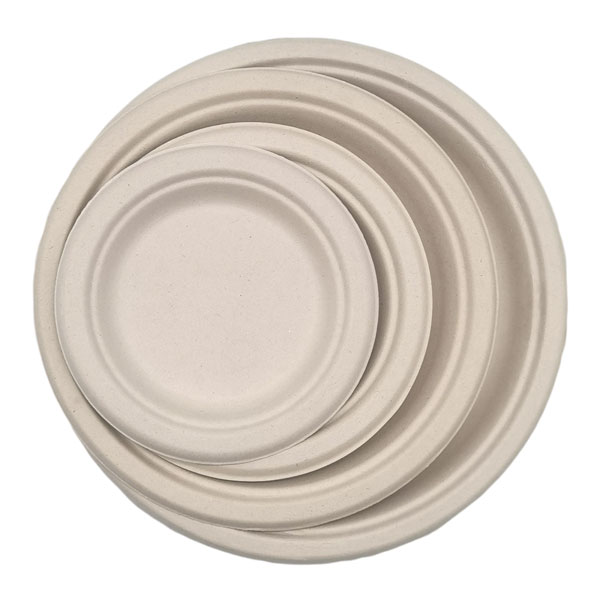
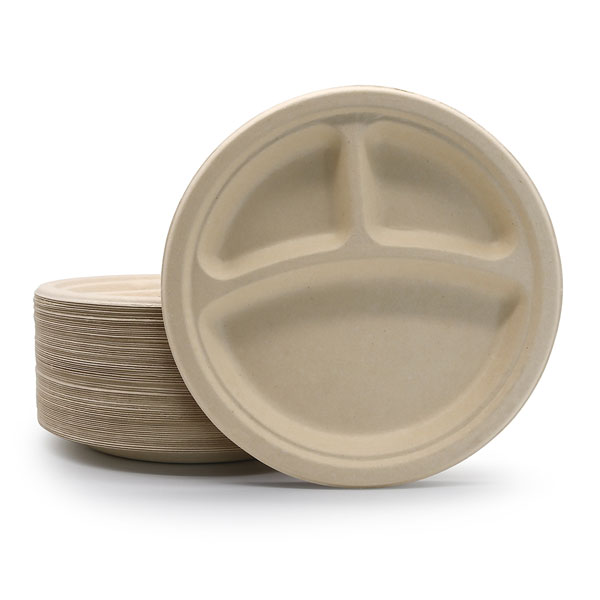
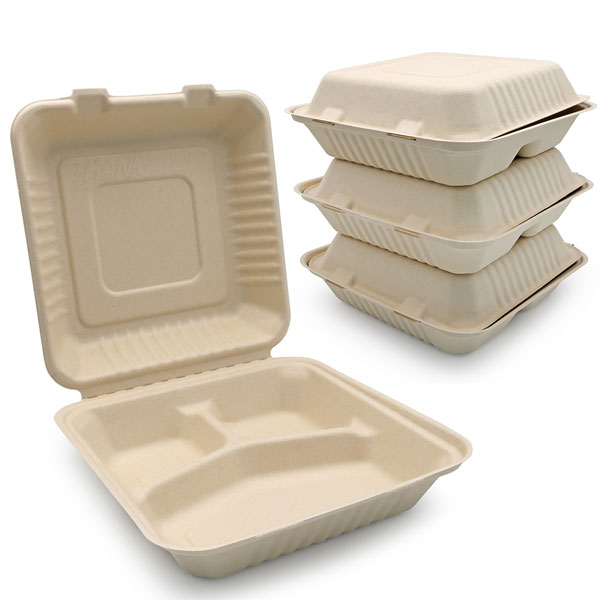
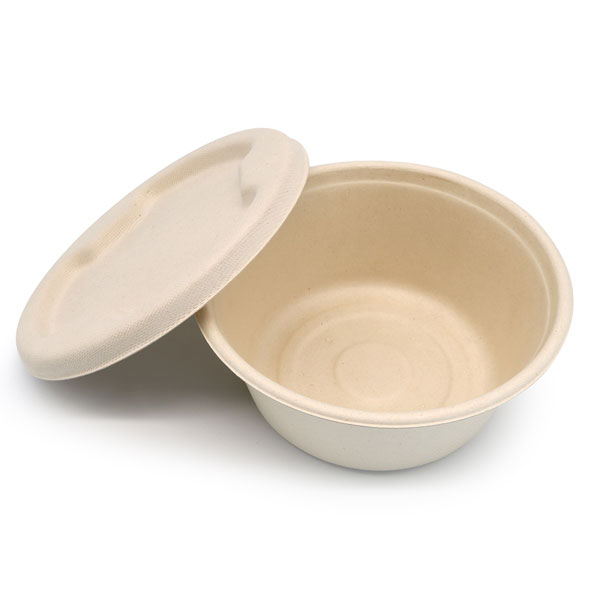
The Asia-Pacific region is experiencing a seismic shift in sustainable packaging, with compostable plates emerging as the frontrunner in the eco-friendly foodservice revolution. Recent market analysis reveals a staggering 320% growth in regional customization demand for sugarcane bagasse packaging, driven primarily by certification standard variations between Southeast Asia and East Asia. For B2B clients seeking to navigate this complex landscape, understanding these regional differences is no longer optional—it's essential for market success.
When sourcing compostable plates for your business, certification isn't just paperwork—it's your guarantee of environmental integrity and market acceptance. The Asia-Pacific region presents a unique challenge: while the demand for sustainable packaging is universal, the standards governing what qualifies as "compostable" vary dramatically across subregions.
Southeast Asia's Approach: Countries like Thailand, Vietnam, and Indonesia have adopted more flexible certification frameworks that prioritize local composting infrastructure limitations. Their standards often accommodate longer decomposition timelines and varying temperature requirements, recognizing the diverse climatic conditions across the region.
East Asia's Rigorous Standards: In contrast, Japan, South Korea, and Taiwan enforce some of the world's strictest compostable certification requirements. These markets demand faster decomposition rates, stricter chemical composition limits, and comprehensive biodegradability testing under controlled industrial composting conditions.
The dramatic 320% increase in regional customization demand for sugarcane bagasse packaging stems from several interconnected factors:
Across the Asia-Pacific, governments are implementing plastic bans and sustainability mandates, while consumers increasingly demand genuinely compostable solutions. Businesses can no longer settle for "greenwashed" alternatives—they need certified compostable plates that meet specific regional requirements.
Regional customization allows businesses to source compostable plates that align precisely with local certification standards, reducing compliance risks and streamlining import/export processes. This optimization has become particularly crucial as cross-border trade in sustainable packaging expands.
Companies that successfully navigate the certification landscape gain significant competitive advantages. By offering regionally certified compostable plates, businesses can position themselves as true sustainability leaders rather than generic eco-friendly providers.
Sugarcane bagasse—the fibrous byproduct of sugar production—has emerged as the material of choice for compostable plates across the Asia-Pacific. Its unique properties make it exceptionally well-suited for regional customization:
Natural Adaptability: Bagasse-based compostable plates can be engineered to meet varying certification requirements without compromising structural integrity or performance.
Local Sourcing Advantages: As a major sugarcane-producing region, Asia-Pacific has abundant access to raw materials, enabling cost-effective production of customized compostable plates.
Performance Consistency: Unlike some alternative materials, sugarcane bagasse maintains consistent quality across different regional formulations, ensuring reliable performance for foodservice applications.
For businesses sourcing compostable plates in the Asia-Pacific, the certification variations present both challenges and opportunities:
Companies expanding across the region must develop segmented approaches rather than one-size-fits-all solutions. Compostable plates certified for the Japanese market may not meet Thai requirements, necessitating strategic product differentiation.
While regional customization adds complexity, the 320% growth figures suggest significant market rewards. Businesses that invest in understanding and meeting specific certification requirements gain access to rapidly expanding market segments.
As certification standards continue to evolve—often becoming more stringent—partnering with suppliers who understand regional variations becomes crucial for long-term sustainability and compliance.
The 320% growth in customization demand is just the beginning. Several trends will shape the future of compostable plates in the region:
Standardization Efforts: While complete harmonization remains distant, we're seeing increased dialogue between regional certification bodies, potentially leading to more aligned standards.
Technological Innovation: Advances in material science will enable even more sophisticated customization of sugarcane bagasse compostable plates to meet diverse regional requirements.
Circular Economy Integration: The next frontier involves integrating compostable plates into broader circular economy initiatives, creating closed-loop systems that maximize environmental benefits.
The Asia-Pacific compostable plates market is undergoing unprecedented transformation. The 320% growth in regional customization demand represents not just a statistical anomaly but a fundamental shift in how sustainable packaging operates across diverse markets.
For B2B clients, success now depends on navigating the complex certification landscape between Southeast Asia and East Asia. By understanding these variations and partnering with suppliers who offer genuinely customized sugarcane bagasse solutions, businesses can turn regulatory complexity into competitive advantage.
The revolution in compostable plates is here. The question is no longer whether to participate, but how to strategically position your business within this rapidly evolving, regionally differentiated market landscape.