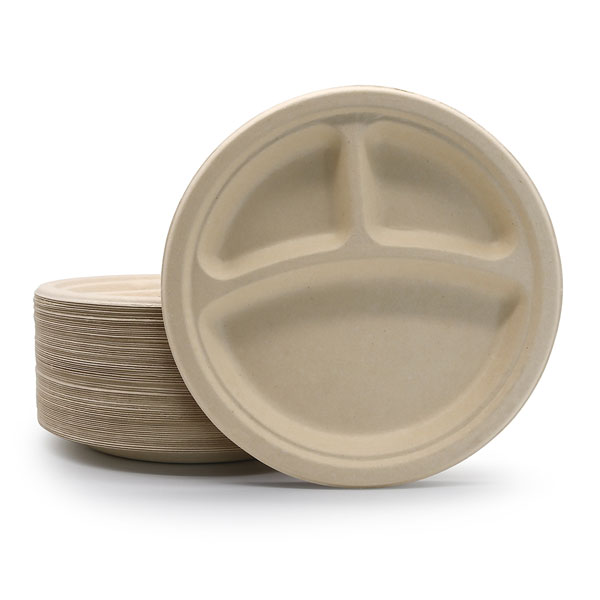
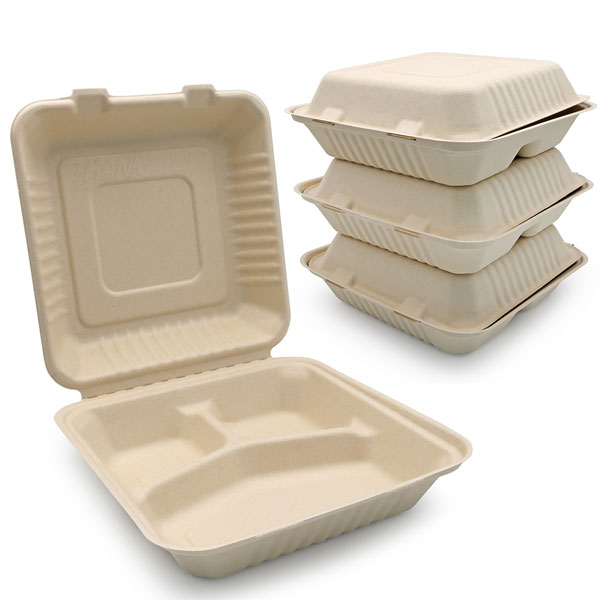
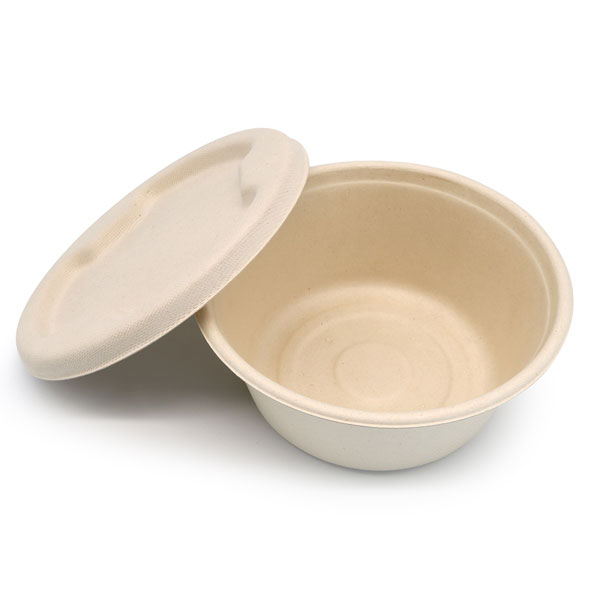
The Asia-Pacific region is witnessing an unprecedented transformation in sustainable packaging, with compostable plates and sugarcane bagasse solutions at the forefront of this eco-revolution. As businesses across the hospitality, food service, and events industries seek to align with environmental values while meeting regulatory requirements, understanding regional market dynamics has become critical for success.
One of the most significant factors driving customization demand is the stark contrast in certification standards across the Asia-Pacific region. While both regions share a commitment to sustainability, their approaches to compostable plates certification reveal fundamental differences that directly impact product development and market entry strategies.
In Southeast Asia, countries like Thailand, Vietnam, and Indonesia are rapidly developing their own certification frameworks for compostable plates. The region's tropical climate and agricultural focus have led to standards that emphasize biodegradation rates in specific environmental conditions. Thailand's Green Label certification and Indonesia's SNI standards for biodegradable products reflect this localized approach, creating unique requirements for sugarcane bagasse packaging manufacturers.
Contrastingly, East Asian markets including Japan, South Korea, and Taiwan have established more mature certification systems. Japan's GreenPla certification and Korea's Eco-Label program incorporate rigorous testing protocols that often exceed international standards. These markets demand compostable plates that not only biodegrade but also meet specific performance criteria for durability, heat resistance, and food safety.
Recent market analysis reveals a staggering 320% increase in demand for regionally customized compostable plates across the Asia-Pacific. This explosive growth can be attributed to several interconnected factors that are reshaping the sustainable packaging landscape.
Businesses operating across multiple Asia-Pacific markets can no longer rely on one-size-fits-all solutions for compostable plates. The certification standard variations between Southeast Asia and East Asia have made regional customization not just advantageous but essential for market access. Companies seeking to serve both regions must develop distinct product lines that meet each area's specific certification requirements.
As environmental consciousness grows across the Asia-Pacific, consumers and businesses alike are becoming more discerning about the compostable plates they use. Regional certifications serve as trust markers, with local standards often carrying more weight than international certifications in domestic markets. This has created opportunities for brands to differentiate themselves through region-specific sugarcane bagasse packaging solutions.
The 320% growth in customization demand is also driven by practical business considerations. Regionally tailored compostable plates allow for optimized supply chains, reduced transportation costs, and better alignment with local manufacturing capabilities. Sugarcane bagasse packaging customized for specific regional requirements can leverage local agricultural byproducts more effectively, creating both environmental and economic benefits.
Sugarcane bagasse has emerged as the material of choice for compostable plates across the Asia-Pacific, particularly due to its adaptability to regional customization requirements. This agricultural byproduct offers unique advantages that align perfectly with the diverse certification standards across Southeast Asia and East Asia.
The natural composition of sugarcane bagasse makes it inherently compatible with various regional certification standards for compostable plates. Its cellulose-rich structure allows for modifications that can meet specific biodegradation requirements, whether in Southeast Asia's tropical conditions or East Asia's more varied climates. This material flexibility is key to achieving the 320% growth in customization demand.
Sugarcane cultivation patterns across the Asia-Pacific create natural opportunities for regionally optimized compostable plates production. Southeast Asia's abundant sugarcane production supports local manufacturing of sugarcane bagasse packaging, while East Asia's advanced processing technologies enable sophisticated product development. This regional specialization drives both innovation and cost-effectiveness in compostable plates manufacturing.
For businesses seeking compostable plates solutions in the Asia-Pacific market, understanding these regional dynamics is crucial for strategic decision-making and competitive advantage.
The certification standard variations between Southeast Asia and East Asia necessitate distinct market entry approaches. Businesses should prioritize understanding local certification requirements before selecting compostable plates suppliers. Partnering with manufacturers experienced in regional customization for sugarcane bagasse packaging can significantly reduce compliance risks and accelerate market penetration.
The 320% growth in regional customization demand highlights the importance of flexible supply chains. Businesses should consider dual-sourcing strategies or partnerships with manufacturers capable of producing region-specific compostable plates. This approach ensures continuity of supply while maintaining compliance with varying certification standards across the Asia-Pacific.
Regionally customized compostable plates offer powerful opportunities for brand differentiation. By emphasizing compliance with local certification standards and utilization of regionally sourced sugarcane bagasse, businesses can strengthen their sustainability credentials and connect more effectively with environmentally conscious consumers across Southeast Asia and East Asia.
The 320% growth in regional customization demand for sugarcane bagasse packaging represents just the beginning of a broader transformation in the Asia-Pacific sustainable packaging sector. Several trends suggest this growth trajectory will continue and potentially accelerate in coming years.
While some industry observers predict gradual harmonization of certification standards across the Asia-Pacific, the current trend suggests continued diversification. Regional governments are likely to further refine their compostable plates standards to address local environmental priorities and industrial capabilities. This ongoing evolution will sustain demand for customized sugarcane bagasse packaging solutions.
Advances in material science and manufacturing technologies will enable even greater customization of compostable plates to meet regional requirements. Enhanced sugarcane bagasse processing techniques, combined with innovative additives and coatings, will allow manufacturers to create products that excel in specific regional conditions while maintaining full compostability.
The future of compostable plates in the Asia-Pacific will increasingly focus on complete circular economy integration. Regionally customized sugarcane bagasse packaging will be designed not just for end-of-life compostability but for optimal integration with local waste management systems and composting infrastructure, creating truly sustainable solutions from production to disposal.
The Asia-Pacific's compostable plates market is undergoing a profound transformation driven by regional certification standard variations. The resulting 320% growth in customization demand for sugarcane bagasse packaging represents both a challenge and an opportunity for businesses across the region. By understanding these dynamics and partnering with experienced manufacturers capable of regional customization, businesses can position themselves at the forefront of the sustainable packaging revolution while meeting diverse market requirements across Southeast Asia and East Asia.