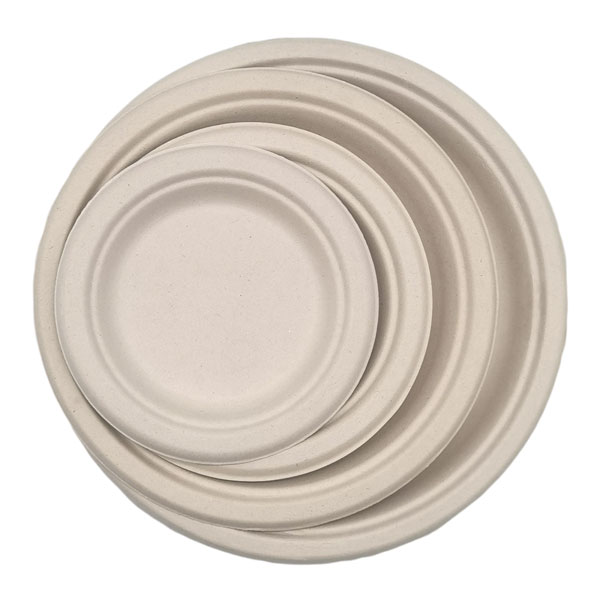
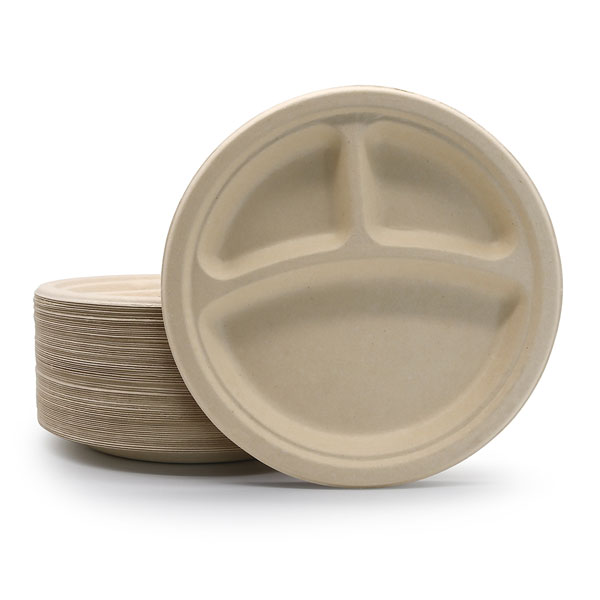
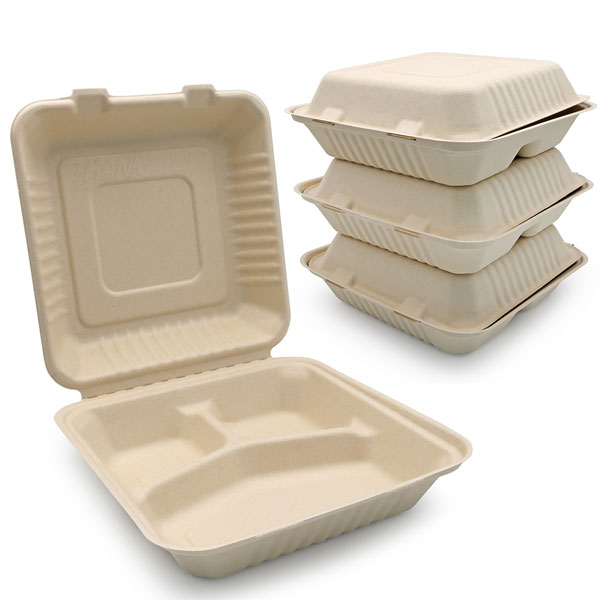
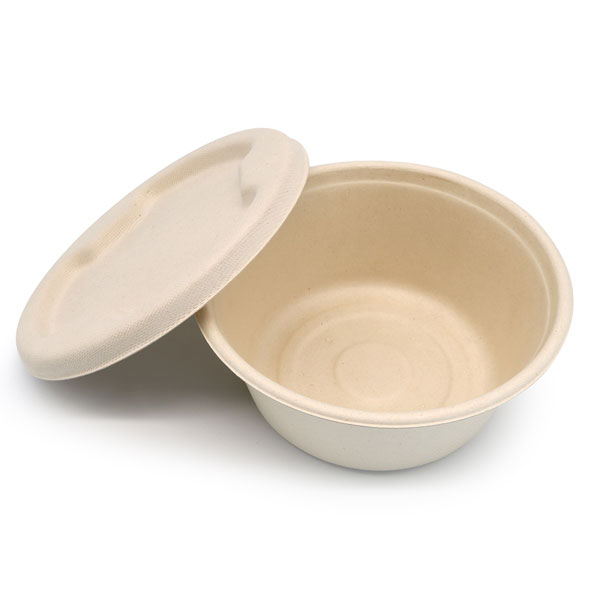
In the rapidly evolving landscape of sustainable packaging, a seismic shift is occurring that smart businesses cannot afford to ignore. The divergence between North American and European food contact material standards has created a perfect storm of opportunity, driving a staggering 420% growth in sugarcane bagasse packaging customization demand. This isn't just another market trend—it's a fundamental restructuring of how businesses approach sustainable food service solutions.
The regulatory dichotomy begins with fundamentally different philosophical approaches. North American standards, particularly FDA regulations in the United States, emphasize risk-based assessment and scientific evidence. In contrast, Europe's REACH and food contact material regulations operate on the precautionary principle, often requiring more extensive testing and documentation. For businesses seeking compostable plates that work across both markets, this creates both challenges and unprecedented opportunities.
Sugarcane bagasse—the fibrous residue left after juice extraction—has emerged as the gold standard for compostable plates for several compelling reasons. First, its natural composition aligns beautifully with both regulatory frameworks. Second, its thermal stability and durability meet practical food service requirements. Third, and most importantly, its customization potential allows businesses to navigate the regulatory maze while delivering superior products.
Forward-thinking companies are leveraging this regulatory divergence to gain competitive advantage. By understanding the specific requirements of each market, businesses can develop customized compostable plates that not only comply with regulations but also resonate with local consumer preferences. The 420% growth figure represents more than just market expansion—it signals a fundamental shift in how businesses approach sustainability as a core business strategy rather than a compliance exercise.
The most successful players in this space aren't trying to create one-size-fits-all solutions. Instead, they're developing modular customization approaches that allow for regional variations in:
• Material composition adjustments for different certification requirements
• Design modifications to meet specific performance standards
• Printing and branding flexibility for market-specific messaging
• Supply chain optimization for regional distribution efficiencies
As regulatory landscapes continue to evolve, the businesses that will thrive are those building flexibility into their compostable plates strategies. This means investing in R&D that anticipates future regulatory changes, developing partnerships with certification bodies, and creating agile manufacturing processes that can adapt quickly to new requirements.
The 420% growth in sugarcane bagasse packaging customization isn't a temporary spike—it's the new normal. Businesses that master the art of navigating North American and European regulatory differences while delivering superior compostable plates will capture disproportionate market share. The question isn't whether to invest in this space, but how quickly you can position your business to lead in this transformative market segment.
Remember: In the world of sustainable packaging, regulatory compliance isn't a barrier—it's the gateway to market leadership. The companies that understand this fundamental truth are the ones driving the 420% growth and redefining what's possible with compostable plates.