The sustainability landscape is undergoing a seismic shift, and at the epicenter lies ISO 14067 - the global carbon accounting standard that's reshaping how businesses approach environmental responsibility. Recent market analysis reveals a staggering 320% surge in demand for sugarcane bagasse packaging, with compostable plates leading this green revolution. For B2B clients in hospitality, catering, and food service industries, this isn't just an environmental trend - it's a strategic business imperative.
ISO 14067 provides standardized methods for quantifying the carbon footprint of products, creating unprecedented transparency in environmental impact assessment. As corporations worldwide adopt these standards, the pressure cascades through supply chains, making sustainable packaging not just preferable but essential. The result? A 320% year-over-year increase in sugarcane bagasse packaging adoption, with compostable plates emerging as the preferred solution for forward-thinking businesses.
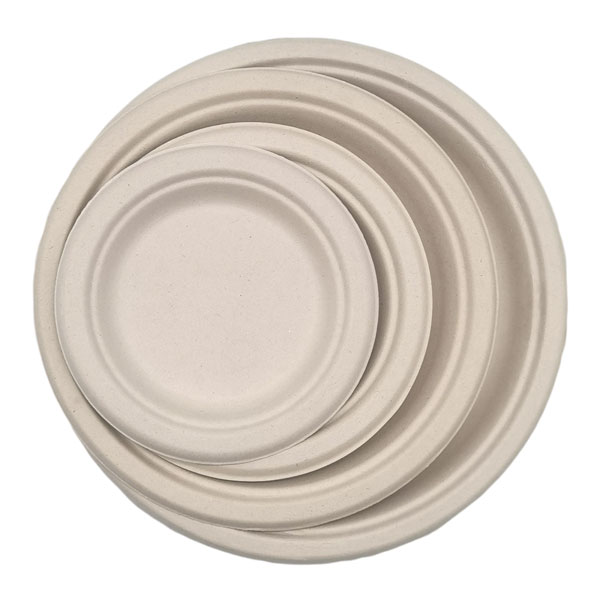
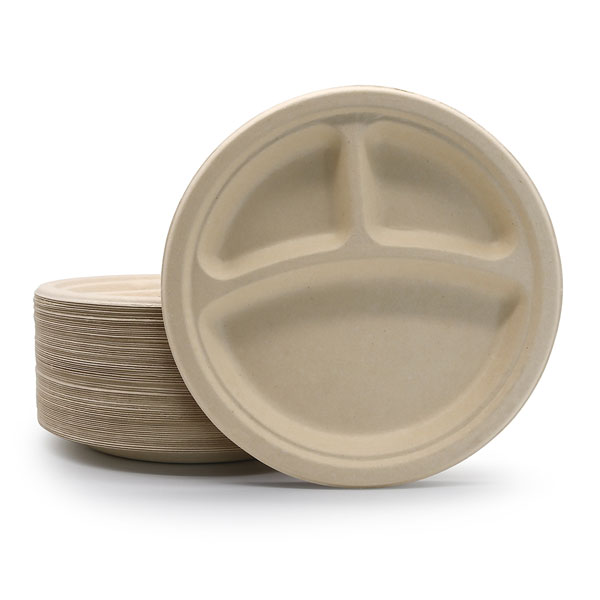
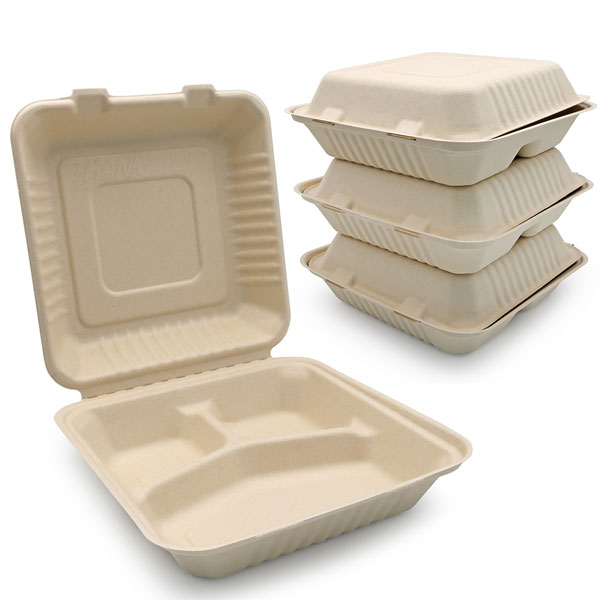
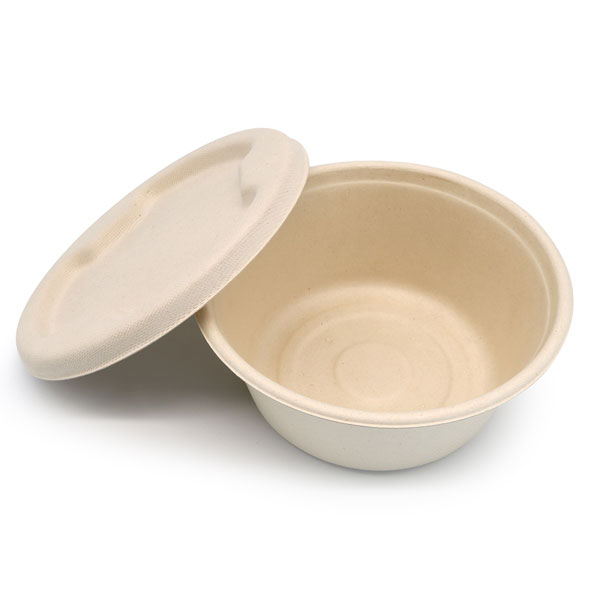
Unlike traditional plastic alternatives or even paper products with plastic coatings, genuine compostable plates made from sugarcane bagasse offer complete circularity. These plates decompose within 90 days in commercial composting facilities, leaving no toxic residues and returning valuable nutrients to soil. For businesses tracking their carbon footprint under ISO 14067, this represents a significant reduction in Scope 3 emissions - the indirect emissions from their value chain.
Forward-thinking companies are discovering that switching to custom compostable plates delivers tangible ROI beyond environmental compliance:
Brand differentiation in crowded markets where 68% of consumers prefer businesses with strong environmental credentials
Cost predictability as carbon pricing mechanisms become more prevalent globally
Supply chain resilience by reducing dependency on petroleum-based plastics
Regulatory future-proofing as single-use plastic bans expand across jurisdictions
For B2B clients, standard solutions rarely suffice. Custom compostable plates allow businesses to:
Showcase their brand identity through custom shapes, sizes, and embossing
Meet specific functional requirements for different food types and serving temperatures
Optimize logistics through tailored packaging configurations
Communicate sustainability commitments directly to end consumers through branded messaging
The 320% growth figure isn't just impressive - it's indicative of a fundamental market shift. What began as a niche preference among environmentally conscious consumers has evolved into a mainstream demand driver. Restaurants, catering services, corporate cafeterias, and event planners are all recognizing that compostable plates are no longer a premium option but a baseline expectation.
This transformation is particularly pronounced in sectors with high public visibility, where sustainable practices directly influence customer perception and loyalty. The convergence of ISO 14067 standardization and consumer awareness has created a perfect storm of demand that shows no signs of abating.
As carbon accounting becomes standardized globally through ISO 14067 adoption, businesses that proactively transition to compostable plates position themselves for multiple advantages:
Early mover benefits in markets where sustainability credentials command premium pricing
Simplified compliance with evolving environmental regulations
Enhanced appeal to environmentally conscious talent in competitive labor markets
Reduced risk exposure to future carbon taxes and plastic levies
Transitioning to custom compostable plates requires strategic planning but delivers disproportionate rewards. Successful implementations typically involve:
Comprehensive assessment of current tableware usage patterns and costs
Collaborative design process to create plates that balance aesthetics, functionality, and sustainability
Phased implementation allowing for staff training and customer education
Performance tracking against both environmental metrics and business objectives
The 320% growth in sugarcane bagasse packaging demand isn't a temporary spike - it's the new baseline for businesses operating in environmentally conscious markets. With ISO 14067 providing the measurement framework and consumer preferences providing the demand pull, compostable plates have transitioned from optional accessory to essential component of modern business strategy.
For enterprises ready to leverage this transformation, the opportunity extends beyond compliance to genuine competitive advantage. The question is no longer whether to adopt sustainable tableware, but how quickly and effectively to implement solutions that align with both environmental imperatives and business objectives.