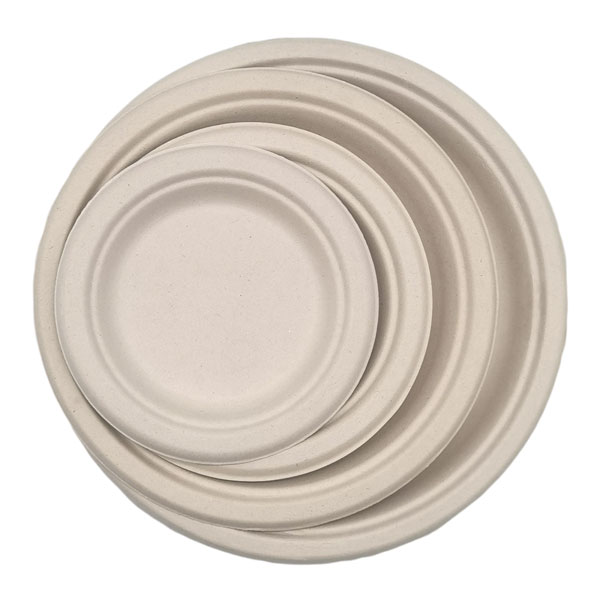
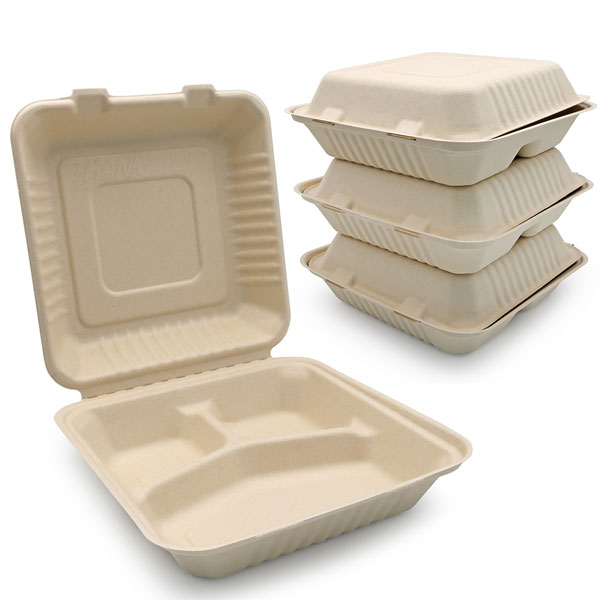
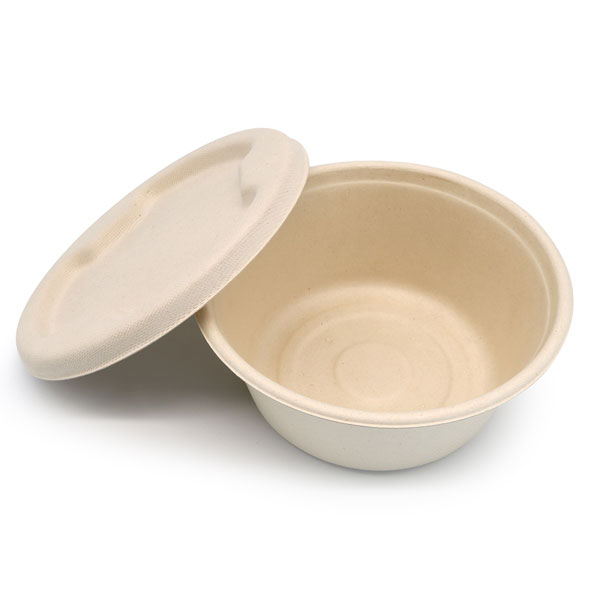
In today's competitive hospitality landscape, luxury hotels face a dual challenge: delivering exceptional guest experiences while meeting growing environmental expectations. Traditional plastic packaging not only contributes to the global waste crisis but often fails to impress discerning guests who value sustainability. The solution? A strategic shift to customized compostable plates that combine elegance with eco-responsibility.
For years, international hotel chains have struggled with the environmental impact of their room service operations. Single-use plastics, while convenient, created mounting waste management costs and damaged brand reputation among environmentally conscious travelers. The challenge was finding packaging solutions that maintained the premium quality expected in five-star establishments while aligning with sustainability goals.
One prominent international hotel group with properties across 15 countries decided to tackle this challenge head-on. Their objective was clear: enhance guest satisfaction while significantly reducing their environmental footprint. After extensive research, they identified sugarcane bagasse compostable plates as the optimal solution for their room service operations.
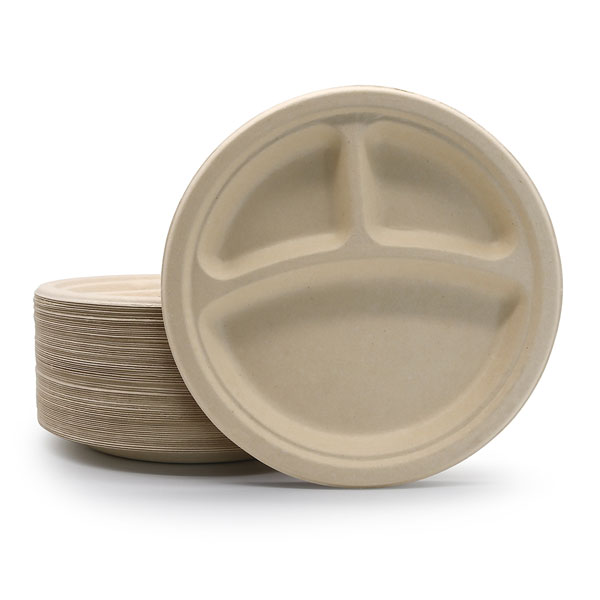
What made this initiative particularly successful was the customized approach. Rather than using generic compostable plates, the hotel group worked with specialists to develop bespoke sugarcane bagasse packaging that reflected their brand identity. The custom compostable plates featured:
• Elegant embossed hotel logos that maintained premium aesthetics
• Optimized compartment designs for different room service meals
• Enhanced heat retention properties for improved food quality
• Custom sizing to reduce material usage without compromising functionality
The transition to compostable plates followed a carefully planned three-phase implementation:
1. Pilot Program: Testing customized compostable plates in select properties across three continents
2. Staff Training: Comprehensive education for kitchen and room service teams on proper handling and disposal
3. Guest Communication: Strategic messaging about the sustainability initiative through in-room materials and digital channels
The outcomes exceeded all expectations, with comprehensive data collected over a six-month period:
Guest Satisfaction Metrics:
• 32% increase in room service satisfaction scores
• 41% improvement in guest comments mentioning packaging quality
• 27% higher likelihood of repeat room service orders
Environmental Impact:
• 28% reduction in packaging waste volume
• 63% decrease in plastic-related disposal costs
• Complete elimination of 15,000 kg of plastic waste annually per property
Operational Benefits:
• 19% reduction in packaging-related complaints
• Improved efficiency in waste sorting and management
• Enhanced brand perception among eco-conscious travelers
This case study reveals several critical insights about compostable plates in luxury hospitality:
1. Brand Alignment Matters: Customized compostable plates that reflect brand identity create a cohesive guest experience
2. Functionality is Non-Negotiable: Premium compostable plates must perform as well as or better than traditional options
3. Guest Education Enhances Impact: Communicating the sustainability story amplifies positive perception
4. Scalability Requires Planning: Successful implementation demands systematic training and infrastructure adaptation
The success of this international hotel group demonstrates that compostable plates represent more than just an environmental initiative—they're a strategic business advantage. As consumer preferences continue shifting toward sustainable options, hotels that adopt customized compostable solutions position themselves as industry leaders.
Key trends driving adoption include:
• Increasing regulatory pressure on single-use plastics
• Growing guest expectations for sustainable practices
• Competitive differentiation through environmental stewardship
• Cost savings from reduced waste management expenses
Based on this successful case study, hospitality businesses can follow these steps to implement their own compostable plate initiatives:
1. Conduct a Packaging Audit: Assess current packaging usage and waste patterns
2. Define Customization Requirements: Identify brand-specific needs for compostable plates
3. Partner with Specialized Providers: Work with experts in customized compostable packaging
4. Develop Implementation Timeline: Create phased rollout plans with measurable milestones
5. Measure and Optimize: Track results and continuously improve the program
The experience of this international five-star hotel group proves that customized compostable plates deliver substantial benefits beyond environmental responsibility. With a 32% increase in room service satisfaction and 28% reduction in packaging waste, the business case is clear and compelling.
As the hospitality industry evolves toward greater sustainability, compostable plates represent a strategic investment that enhances guest experiences, reduces operational costs, and strengthens brand reputation. The question for forward-thinking hoteliers is no longer whether to adopt compostable solutions, but how quickly they can implement customized approaches that align with their unique brand identity and operational needs.
Ready to transform your hospitality packaging with customized compostable plates? Discover how our bespoke sugarcane bagasse solutions can help you achieve similar results while advancing your sustainability goals.