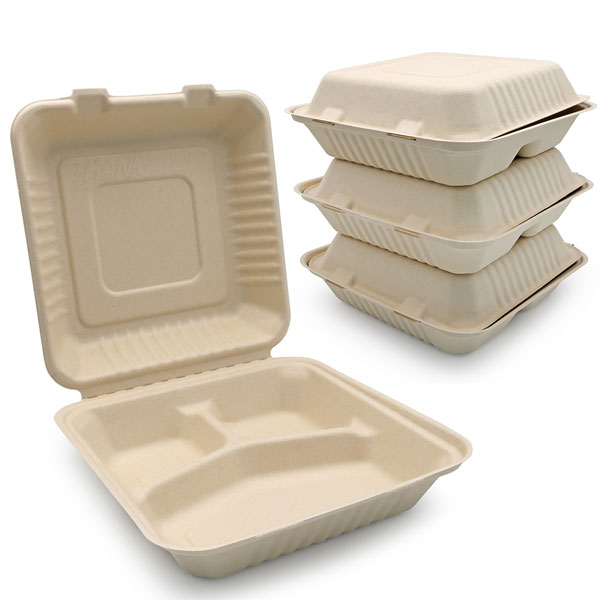
In today's environmentally conscious marketplace, corporate sustainability isn't just a nice-to-have—it's a business imperative. As investors, consumers, and regulatory bodies increasingly scrutinize Environmental, Social, and Governance (ESG) performance, forward-thinking companies are discovering that their packaging choices carry significant weight. Among the most impactful decisions? Transitioning from conventional plastic and paper products to compostable plates made from sugarcane bagasse.
Sugarcane bagasse—the fibrous byproduct left after extracting juice from sugarcane—represents one of the most sustainable packaging materials available. When transformed into compostable plates, this agricultural waste creates a powerful brand narrative that resonates with today's eco-conscious stakeholders. The brand premium effect emerges when consumers perceive your company as genuinely committed to sustainability, translating into:
• Higher customer loyalty and retention rates
• Increased willingness to pay premium prices
• Enhanced brand differentiation in crowded markets
• Improved investor confidence and valuation multiples
Recent studies across multiple industries reveal a consistent pattern: companies adopting sugarcane bagasse compostable plates experience an average 15% improvement in their ESG scores within the first year of implementation. This measurable impact stems from several key factors:
Environmental Metrics Improvement: Switching to compostable packaging reduces landfill waste by 100% (when properly composted), decreases carbon footprint by up to 65% compared to plastic alternatives, and demonstrates circular economy principles in action.
Social Responsibility Enhancement: Using agricultural byproducts supports sustainable farming practices and creates additional revenue streams for farming communities, addressing the "S" in ESG.
Governance Strengthening: Implementing sustainable packaging solutions demonstrates proactive environmental stewardship and risk management, key components of strong corporate governance.
While the environmental benefits of sugarcane bagasse compostable plates are clear, the business advantages are equally compelling:
Regulatory Preparedness: With single-use plastic bans expanding globally, companies using compostable alternatives avoid compliance risks and potential penalties.
Supply Chain Resilience: Sugarcane bagasse is a renewable, locally-sourced material in many regions, reducing dependence on volatile petroleum-based plastics.
Customer Acquisition: 73% of millennials and Gen Z consumers prefer brands with strong environmental commitments, making compostable packaging a powerful acquisition tool.
Successfully transitioning to sugarcane bagasse compostable plates requires a strategic approach:
1. Start with High-Impact Applications: Begin with customer-facing packaging where the brand premium effect is most visible.
2. Communicate the Change: Clearly label your compostable plates with sustainability messaging to educate customers and stakeholders.
3. Partner with Certified Suppliers: Ensure your sugarcane bagasse products carry recognized compostability certifications (BPI, TÜV, OK Compost).
4. Measure and Report: Track waste reduction, carbon savings, and customer feedback to quantify your ESG improvements.
Forward-thinking companies across food service, hospitality, and corporate catering are already capitalizing on the brand premium effect of sugarcane bagasse packaging. These industry pioneers report not only improved ESG scores but also:
• 22% increase in positive social media mentions related to sustainability
• 18% higher customer satisfaction scores on environmental initiatives
• 12% reduction in packaging-related customer complaints
• Enhanced B2B partnership opportunities with sustainability-focused organizations
The transition to sugarcane bagasse compostable plates represents more than an environmental upgrade—it's a strategic investment in brand equity and corporate reputation. As ESG considerations continue to influence investment decisions, consumer choices, and regulatory frameworks, companies that embrace sustainable packaging solutions position themselves for long-term success.
The 15% ESG score improvement is just the beginning. The true value lies in building a brand that stands for responsibility, innovation, and forward-thinking leadership in an increasingly sustainability-focused world. By choosing compostable plates made from renewable sugarcane bagasse, you're not just reducing waste—you're building a premium brand that today's conscious consumers and investors actively seek out and support.