The global compostable packaging market is experiencing unprecedented growth, with projections indicating a remarkable 25% annual increase specifically for sugarcane bagasse-based products. As environmental regulations tighten and consumer preferences shift toward sustainability, businesses across the food service industry are recognizing the strategic importance of adopting eco-friendly alternatives. This growth isn't just a passing trend—it's a fundamental market transformation driven by both regulatory pressures and genuine consumer demand for responsible packaging solutions.
Several key factors are converging to create the perfect storm for sugarcane bagasse packaging's explosive growth. First, legislative changes worldwide are increasingly banning single-use plastics, creating immediate demand for viable alternatives. Second, corporate sustainability commitments are becoming standard practice, with major restaurant chains and food service providers setting ambitious targets for plastic reduction. Third, consumer awareness has reached critical mass, with 68% of diners now actively preferring establishments that use environmentally friendly packaging. This combination of regulatory, corporate, and consumer pressure creates a powerful market force that's driving adoption at an accelerating pace.
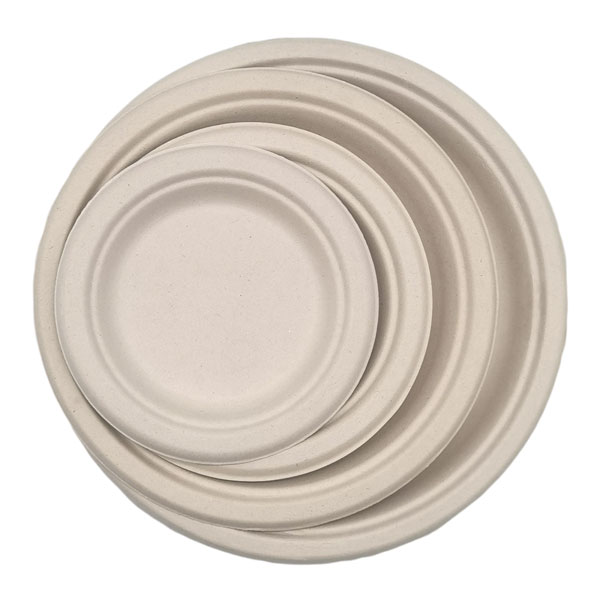
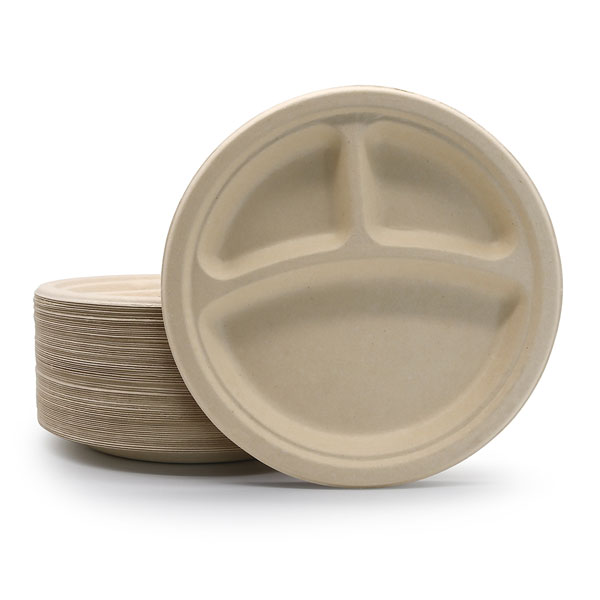
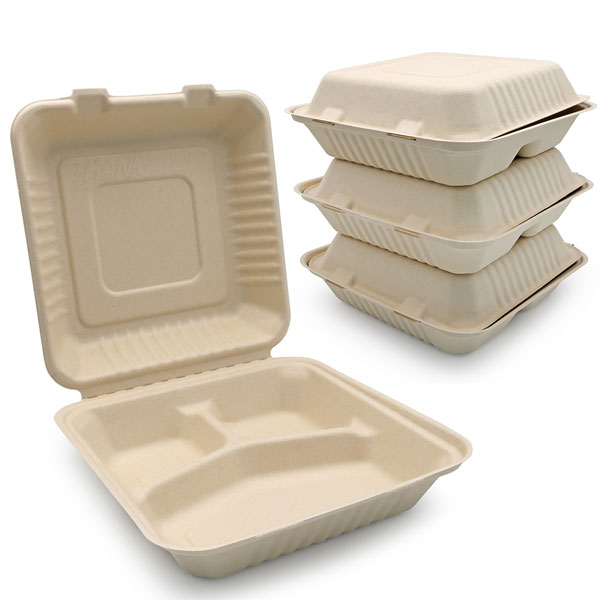
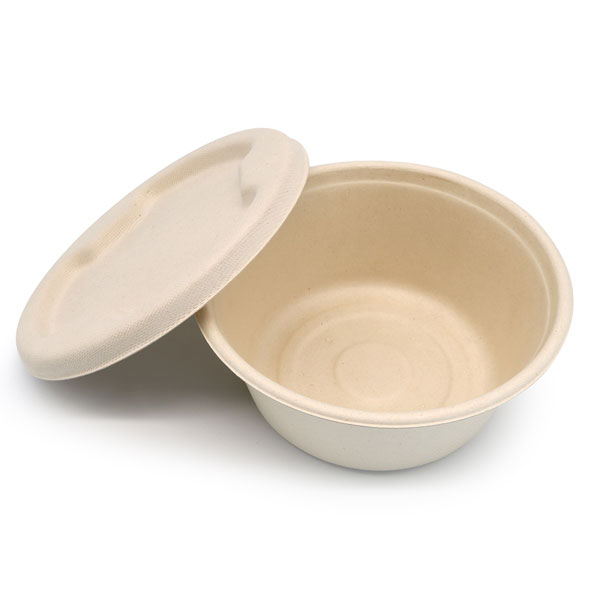
Sugarcane bagasse—the fibrous residue left after juice extraction—offers unique advantages that position it as the leading material for compostable plates and food containers. Unlike some biodegradable alternatives that require industrial composting facilities, high-quality sugarcane bagasse compostable plates break down efficiently in commercial composting systems and even in well-maintained home compost piles. The material's natural strength and heat resistance make it ideal for hot foods, while its grease-resistant properties ensure practical functionality for food service applications. Perhaps most importantly, sugarcane is a rapidly renewable resource, with harvest cycles of just 12-18 months compared to trees that take decades to mature.
For B2B clients considering the transition to sustainable packaging, the financial equation has become increasingly favorable. While compostable plates may carry a slightly higher upfront cost than traditional plastic alternatives, the total cost of ownership tells a different story. Businesses implementing sugarcane bagasse compostable plates report significant benefits including enhanced brand perception, increased customer loyalty, reduced waste disposal costs, and protection against future regulatory changes. Many forward-thinking establishments are finding that their investment in compostable plates pays dividends through positive customer reviews, social media mentions, and differentiation in competitive markets.
The engineering behind modern sugarcane bagasse compostable plates has advanced significantly in recent years. Today's products offer microwave safety up to 2-3 minutes, freezer compatibility, and improved moisture resistance compared to earlier generations. These technical improvements address practical concerns that previously hindered adoption in commercial food service settings. Additionally, customization options have expanded, allowing businesses to brand their compostable plates with logos and messaging that reinforces their environmental commitment. This combination of functionality and branding opportunity creates a powerful tool for businesses looking to communicate their values through every customer interaction.
As we move through 2024, regulatory developments continue to shape the compostable packaging market. The European Union's Single-Use Plastics Directive, California's ambitious plastic reduction laws, and similar legislation in multiple states and countries are creating both challenges and opportunities. Businesses that proactively transition to certified compostable plates made from sugarcane bagasse position themselves ahead of compliance deadlines while demonstrating leadership in environmental stewardship. Understanding certification standards—particularly ASTM D6400 and EN 13432—becomes crucial for ensuring that compostable plates meet both regulatory requirements and consumer expectations for genuine sustainability.
Successfully integrating compostable plates into operations requires thoughtful planning. Begin with a waste audit to understand current usage patterns and identify the most frequently used plate sizes and types. Consider starting with a pilot program in specific departments or during particular service periods to gather feedback and optimize processes. Partner with suppliers who offer comprehensive support, including educational materials for staff and customers about proper disposal and composting. Many successful implementations combine the switch to compostable plates with clear signage explaining their environmental benefits, creating educational moments that enhance the customer experience while supporting sustainability goals.
The 25% annual growth rate for sugarcane bagasse packaging represents just the beginning of a larger transformation in food service packaging. As production scales increase and manufacturing efficiencies improve, price parity with conventional plastics becomes increasingly attainable. Simultaneously, advancements in material science promise even better performance characteristics for future generations of compostable plates. Perhaps most significantly, the circular economy model—where waste becomes feedstock for new products—is gaining traction, with some innovators exploring ways to create closed-loop systems for sugarcane bagasse products. For businesses making decisions today, the trajectory is clear: sustainable packaging isn't just an environmental choice; it's becoming a business imperative.
The evidence supporting the transition to compostable plates made from sugarcane bagasse has never been stronger. With market growth projections of 25% annually, regulatory pressures mounting, and consumer preferences solidifying, the question for forward-thinking businesses isn't whether to make the switch, but when and how. Begin by evaluating your current packaging portfolio, engaging with knowledgeable suppliers who understand both the technical and business aspects of sustainable packaging, and developing a phased implementation plan that aligns with your operational capabilities and sustainability goals. The businesses that lead this transition today will be best positioned to thrive in the increasingly sustainability-focused marketplace of tomorrow.