In today's environmentally conscious marketplace, plastic pollution has become a critical challenge for supermarket chains worldwide. With consumers demanding sustainable alternatives and governments implementing stricter regulations, forward-thinking retailers are seeking innovative solutions. One major supermarket chain discovered a game-changing approach that not only addressed their environmental concerns but also delivered impressive business results.
Supermarkets face mounting pressure from multiple fronts. Consumer surveys consistently show that 73% of shoppers prefer brands that demonstrate environmental responsibility, while plastic packaging regulations are becoming increasingly stringent across global markets. The traditional reliance on single-use plastics for fresh produce, deli items, and prepared foods has created both environmental and business challenges that demand immediate attention.
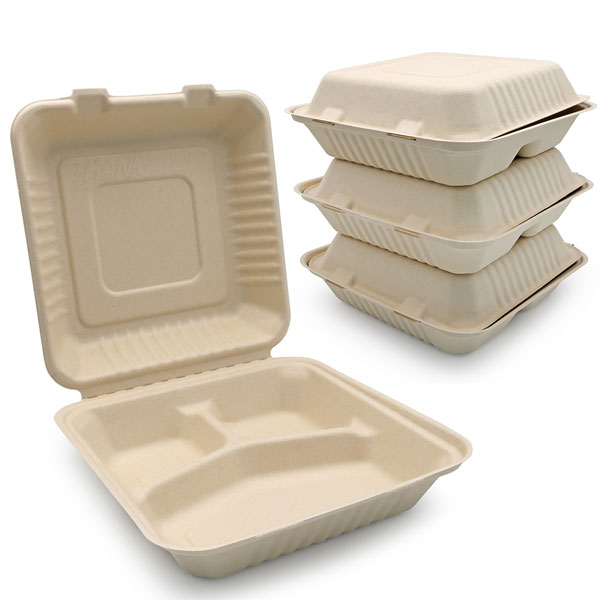
The supermarket's sustainability team identified sugarcane bagasse—a byproduct of sugar production—as the ideal material for their packaging transformation. These compostable plates offered the durability and functionality of traditional plastics while being completely biodegradable and compostable within commercial facilities.
Environmental Impact: Unlike petroleum-based plastics that persist for centuries, sugarcane bagasse products break down completely within 90 days in commercial composting facilities, returning valuable nutrients to the soil.
Performance Characteristics: These compostable plates demonstrated excellent moisture resistance, heat tolerance up to 220°F, and sufficient strength for packaging fresh produce, baked goods, and prepared meals.
Supply Chain Benefits: Utilizing agricultural waste streams created a circular economy model while reducing dependence on volatile petroleum markets.
The supermarket adopted a strategic three-phase approach to ensure smooth transition and measurable results:
Phase 1: Pilot Program - Selected 15 stores in environmentally conscious markets to test customer acceptance and operational feasibility of compostable plates.
Phase 2: Department Expansion - Expanded to produce, bakery, and deli departments across 75 locations after positive pilot results.
Phase 3: Full Implementation - Rolled out across all 250 stores, replacing 40% of previous plastic packaging with compostable alternatives.
The transition to compostable plates delivered impressive quantitative and qualitative outcomes:
Environmental Metrics:
• 40% reduction in plastic packaging waste across all stores
• 2,800 tons of plastic eliminated annually
• 65% decrease in packaging-related carbon emissions
Business Performance:
• 18% increase in customer satisfaction scores for sustainability initiatives
• 12% growth in sales of products packaged in compostable materials
• 24% improvement in brand perception among environmentally conscious consumers
• Reduced waste disposal costs by 22% through composting partnerships
Shoppers responded enthusiastically to the sustainable packaging initiative. In-store surveys revealed that 82% of customers noticed the switch to compostable plates, with 76% stating it positively influenced their purchasing decisions. The supermarket successfully positioned itself as an environmental leader in the competitive retail landscape.
The transition required addressing several operational considerations:
Staff Training: Comprehensive education programs ensured proper handling and disposal of compostable materials.
Supplier Collaboration: Worked closely with compostable plate manufacturers to develop customized solutions for different product categories.
Waste Management Partnerships: Established relationships with commercial composting facilities to ensure proper end-of-life processing.
While initial investment in compostable plates was 15-20% higher than traditional plastics, the supermarket realized significant long-term benefits:
• Reduced regulatory compliance costs and potential fines
• Enhanced brand equity and customer loyalty
• Lower waste management expenses through composting programs
• Increased market share among environmentally conscious demographics
The payback period for the investment was calculated at 18 months, with ongoing annual savings of approximately $350,000 across the chain.
This success story demonstrates that sustainable packaging is no longer just an environmental consideration but a strategic business imperative. As more retailers recognize the value proposition of compostable plates, industry standards are evolving toward circular economy models.
Emerging Opportunities:
• Custom-branded compostable packaging for private label products
• Integration with loyalty programs rewarding sustainable purchases
• Partnerships with local composting facilities creating community engagement opportunities
Based on this supermarket's experience, here are practical recommendations for implementing compostable plates in your operations:
1. Conduct a Packaging Audit - Identify the highest plastic usage areas where compostable alternatives would have maximum impact
2. Start with a Pilot Program - Test compostable plates in select departments or locations to gather data and refine your approach
3. Engage Stakeholders Early - Involve staff, suppliers, and customers in the transition process to build support and address concerns
4. Measure and Communicate Results - Track environmental and business metrics to demonstrate the value of your sustainability initiatives
5. Explore Custom Solutions - Work with specialized manufacturers to develop compostable plates tailored to your specific product requirements
The supermarket's journey from plastic dependency to sustainable leadership illustrates how environmental responsibility and business success can align perfectly. By embracing compostable plates made from sugarcane bagasse, they not only reduced plastic waste by 40% but also strengthened their market position, enhanced customer loyalty, and created a more resilient business model.
As consumer expectations continue to evolve and regulatory pressures intensify, the transition to sustainable packaging represents both an environmental necessity and a strategic opportunity. The success of compostable plates in this supermarket chain serves as a compelling blueprint for retailers seeking to balance ecological responsibility with commercial excellence.
Ready to explore how customized compostable plates can transform your packaging strategy and reduce your environmental footprint? Contact our sustainability solutions team to discuss how sugarcane bagasse alternatives can deliver similar results for your organization.