As a restaurant chain operator, you're likely facing the dual pressure of rising packaging costs and increasing consumer demand for sustainable options. The traditional plastic and Styrofoam containers that once seemed economical are now becoming financial burdens, with prices fluctuating wildly and environmental regulations tightening across markets. But what if there was a solution that not only addressed your sustainability goals but actually reduced your packaging expenses by a significant margin?
The magic number - 30% - isn't just marketing hype. When restaurant chains switch to sugarcane bagasse containers, they're tapping into a material that's both cost-effective and environmentally responsible. Unlike traditional petroleum-based plastics that are subject to volatile oil prices, sugarcane bagasse is an agricultural byproduct with stable, predictable pricing. This stability alone can save chains 15-20% on material costs compared to premium plastic alternatives.
Let's examine where the savings actually come from:
Sugarcane bagasse containers typically cost 25-35% less than premium biodegradable plastics and 15-25% less than PLA (polylactic acid) alternatives. Since packaging represents 3-8% of a restaurant's total operating costs, this translates to substantial bottom-line impact.
Compostable plates eliminate the need for specialized waste sorting and disposal. Many municipalities offer reduced waste collection fees for businesses using compostable packaging, creating additional savings of 5-10% on waste management expenses.
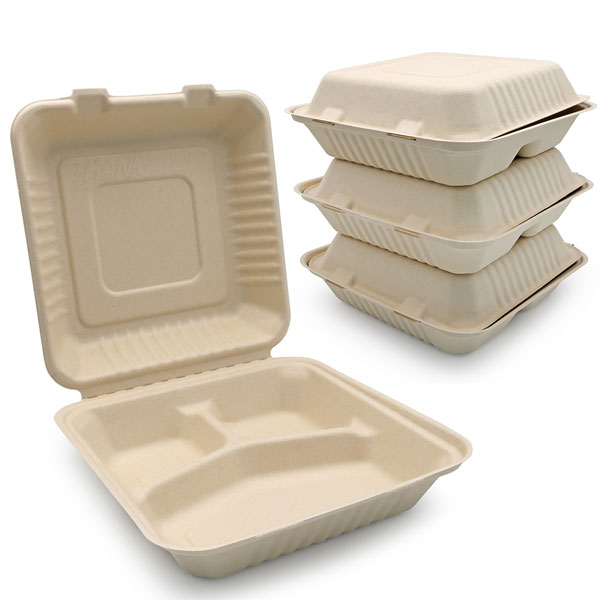
Sugarcane bagasse containers are often designed to nest efficiently, reducing storage space requirements by up to 40% compared to traditional packaging. This means lower warehousing costs and more efficient transportation.
While there are various compostable materials available, sugarcane bagasse offers unique advantages for restaurant chains:
Unlike some compostable alternatives that struggle with moisture resistance or structural integrity, sugarcane bagasse containers provide excellent leak resistance and can withstand temperatures up to 95°C (203°F). This makes them ideal for hot foods, soups, and saucy dishes that challenge other eco-friendly options.
Sugarcane bagasse compostable plates decompose in 60-90 days in commercial composting facilities, compared to 6-12 months for some other biodegradable materials. This faster cycle benefits both the environment and waste management logistics.
Transitioning to sugarcane bagasse containers requires careful planning but offers smooth implementation when approached systematically:
Work with suppliers who offer custom sizing and branding options for compostable plates. Many restaurant chains find that custom-designed containers not only enhance brand visibility but also optimize food portioning, reducing food waste by 5-10%.
Implement comprehensive training programs that explain the benefits of compostable plates to both staff and customers. Chains that effectively communicate their sustainability initiatives often see increased customer loyalty and higher average order values.
Establish reliable supply chains for sugarcane bagasse containers. Many suppliers now offer just-in-time delivery systems specifically designed for multi-location restaurant operations.
Several national and regional chains have successfully implemented sugarcane bagasse packaging with remarkable results:
After switching to custom-branded sugarcane bagasse containers, this chain reported:
• 32% reduction in packaging costs across all locations
• 18% increase in takeout orders (attributed to positive environmental messaging)
• 45% reduction in packaging-related customer complaints
• $85,000 annual savings on waste disposal fees
Modern sugarcane bagasse containers have undergone significant technological improvements. They now offer comparable durability to traditional plastic containers for most takeout applications, with advanced coatings that prevent sogginess for up to 4 hours.
The global sugarcane bagasse supply chain has matured significantly in recent years. Leading suppliers now offer guaranteed availability and competitive pricing through long-term contracts, eliminating the supply uncertainty that once concerned restaurant operators.
While the financial benefits are compelling, the environmental advantages of compostable plates create additional business value:
Sugarcane bagasse containers have a carbon footprint 70-80% lower than petroleum-based plastics. For a medium-sized restaurant chain using 500,000 containers annually, this translates to approximately 15 metric tons of CO2 equivalent saved each year.
By using compostable plates, restaurant chains can divert significant waste from landfills. This not only reduces environmental impact but also positions the brand favorably with environmentally conscious consumers and investors.
Starting your transition to sugarcane bagasse compostable plates involves three key actions:
Analyze your current packaging costs, volumes, and waste management expenses. This baseline data will help you calculate your potential savings accurately.
Work with experienced suppliers to obtain customized sugarcane bagasse container samples that match your specific menu requirements and brand aesthetics.
Launch a pilot program at 2-3 locations to test performance, gather customer feedback, and refine your implementation strategy before full-scale rollout.
As environmental regulations continue to tighten and consumer preferences shift toward sustainable options, restaurant chains that adopt compostable plates early will gain significant competitive advantages. Beyond the immediate 30% cost savings, these forward-thinking businesses position themselves as industry leaders, attracting environmentally conscious customers and potentially qualifying for green business certifications and incentives.
The transition to sugarcane bagasse containers represents more than just a packaging change - it's a strategic business decision that addresses cost pressures, environmental responsibilities, and evolving consumer expectations simultaneously. With proper planning and execution, restaurant chains can achieve the promised 30% cost reduction while building stronger, more sustainable brands for the future.