A groundbreaking sustainability survey has revealed what forward-thinking businesses need to know: 78% of consumers are now willing to pay premium prices for products with eco-friendly packaging. This isn't just a passing trend—it's a fundamental shift in consumer behavior that presents a massive opportunity for B2B companies in the food service industry. For businesses looking to differentiate themselves and capture this growing market segment, compostable plates offer more than just environmental benefits; they represent a strategic advantage in today's competitive landscape.
The concept of "green premium" refers to the additional price consumers are willing to pay for sustainable products. This phenomenon has evolved from niche environmentalism to mainstream consumer expectation. Research shows that sustainability has become a key purchasing driver across all demographics, with millennials and Gen Z leading the charge. These consumers aren't just making purchasing decisions based on price and quality alone—they're actively seeking out brands that align with their environmental values.
Transitioning to compostable plates represents a strategic investment that pays dividends across multiple business dimensions. Unlike traditional disposable options, compostable plates address both environmental concerns and business objectives simultaneously.
With increasing regulations targeting single-use plastics and non-biodegradable materials, compostable plates provide a future-proof solution. Many municipalities and regions are implementing strict waste management policies, and businesses using compostable tableware often qualify for tax benefits, reduced waste disposal fees, and positive regulatory relationships.
When customers see your business using compostable plates, they perceive your brand as responsible, forward-thinking, and aligned with modern values. This perception translates directly into increased customer loyalty, positive word-of-mouth marketing, and the ability to command premium pricing for your services. Restaurants and catering companies that have switched to compostable tableware report higher customer satisfaction scores and increased repeat business.
While the initial investment in compostable plates may be slightly higher than traditional options, the long-term financial benefits are substantial. Reduced waste disposal costs, potential tax incentives, and the ability to charge premium prices for environmentally-conscious services create a compelling ROI. Additionally, as production scales and technology improves, the price gap continues to narrow.
Several forward-thinking companies have already capitalized on the compostable plates advantage. A premium hotel chain reported a 23% increase in event bookings after switching to compostable tableware for their banquet services. A corporate catering company found they could increase their pricing by 15% while actually improving customer acquisition rates. These success stories demonstrate that compostable plates aren't just an expense—they're a revenue driver.
Transitioning to compostable plates requires strategic planning but doesn't need to be overwhelming. Start with a pilot program in one department or for specific events. Work with suppliers who offer customized compostable plates solutions that match your brand aesthetic and functional requirements. Educate your staff about the benefits and proper handling of compostable materials to ensure successful implementation.
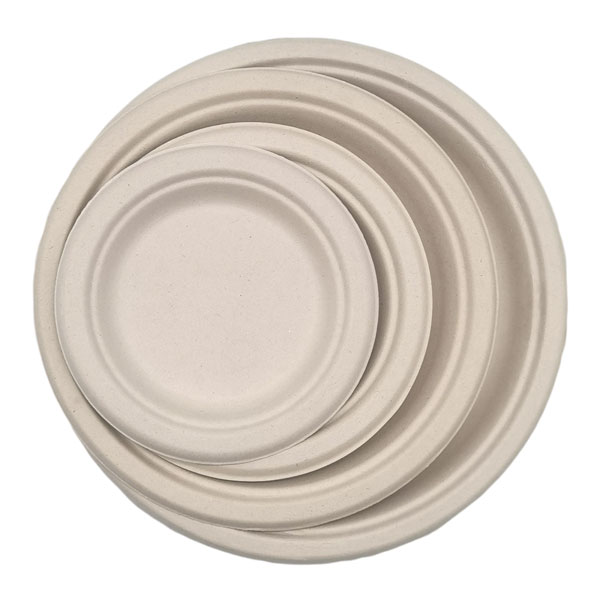
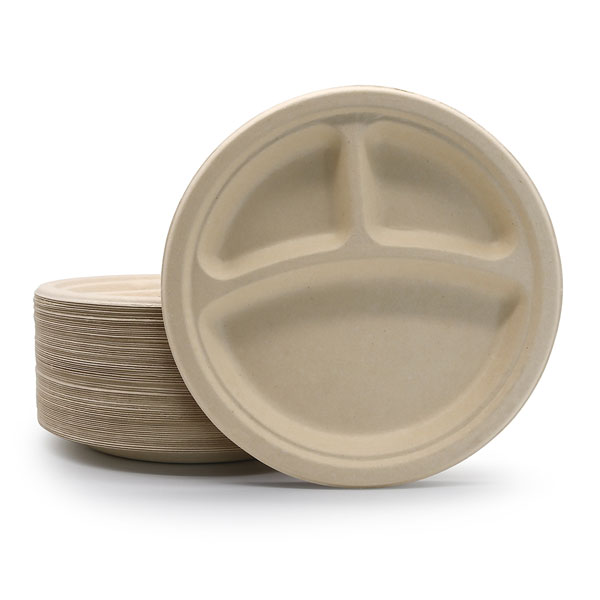
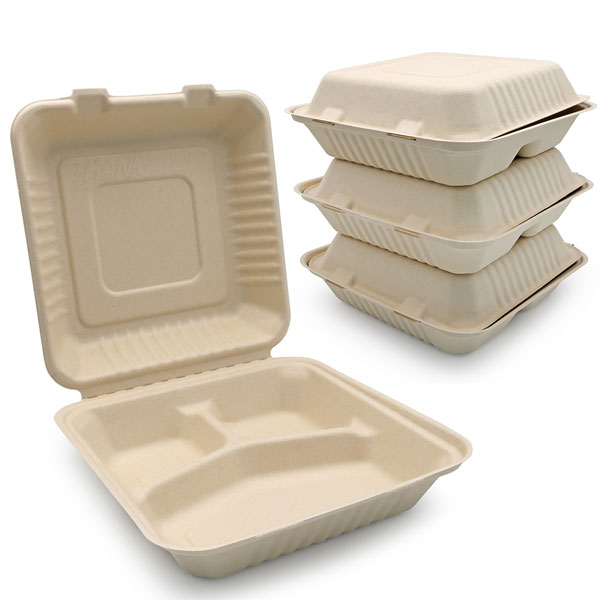
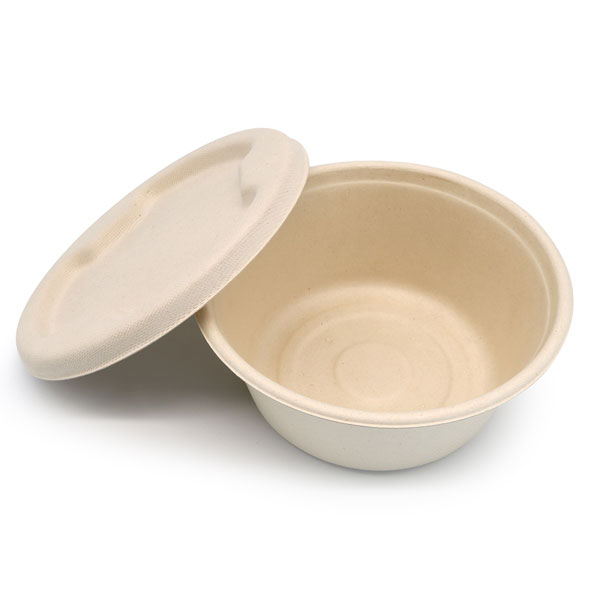
Many businesses hesitate to adopt compostable plates due to concerns about cost, durability, and availability. However, modern compostable plates technology has addressed these concerns effectively. Today's compostable plates offer comparable durability to traditional options, come in various sizes and styles for different applications, and are increasingly cost-competitive. The key is finding the right supplier who understands your specific business needs.
The evidence is clear: compostable plates represent more than just an environmental choice—they're a business strategy that aligns with evolving consumer preferences and market trends. By embracing sustainable tableware solutions, B2B companies can capture the green premium, enhance their brand value, and position themselves as leaders in their industry. The 78% statistic isn't just a number; it's a roadmap to business growth in an increasingly sustainability-conscious market.