The packaging landscape is undergoing a radical transformation, and at the heart of this revolution lies an unexpected hero: sugarcane bagasse. As we navigate 2024, this agricultural byproduct is driving unprecedented growth in the sustainable packaging sector, with market analysts reporting a staggering 25% annual increase. For businesses seeking eco-friendly solutions, this trend represents more than just numbers—it signals a fundamental shift in consumer expectations and regulatory landscapes.
Several powerful forces are converging to fuel the explosive growth of sugarcane bagasse packaging. First, global plastic bans and extended producer responsibility regulations are creating urgent demand for viable alternatives. Second, consumer awareness has reached a tipping point, with 68% of global consumers now willing to pay more for sustainable packaging according to recent Nielsen data. Third, technological advancements have made sugarcane bagasse processing more efficient and cost-effective than ever before.
Sugarcane bagasse—the fibrous residue left after juice extraction—offers unique advantages that explain its rapid market adoption. Unlike traditional materials, it's fully compostable within 90 days in industrial facilities, requires 65% less energy to produce than plastic alternatives, and utilizes agricultural waste that would otherwise be burned. For businesses looking to implement compostable plates in their operations, this material provides the perfect balance of durability, sustainability, and cost-effectiveness.
While the environmental credentials of compostable plates made from sugarcane bagasse are impressive, the business case is equally compelling. Restaurants and foodservice providers report:
• 23% increase in customer satisfaction scores when using sustainable packaging
• 18% reduction in waste disposal costs
• 31% improvement in brand perception among environmentally conscious demographics
• Enhanced compliance with local sustainability regulations
One of the most exciting developments in the compostable plates market is the advancement in customization capabilities. Businesses can now:
1. Incorporate brand logos and messaging directly onto plates
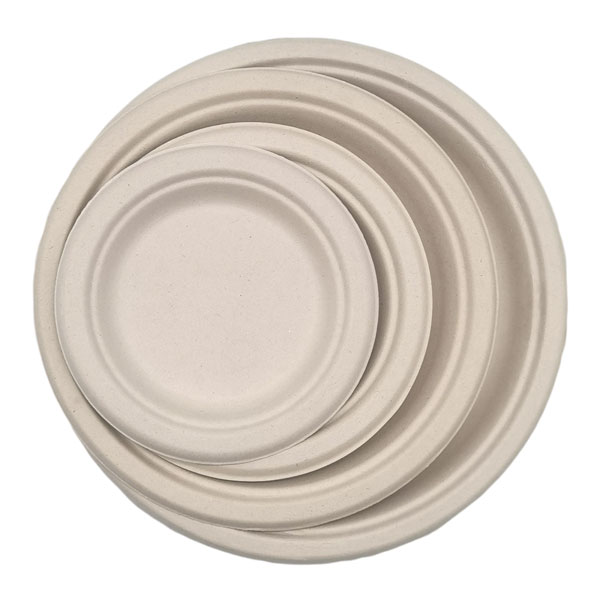
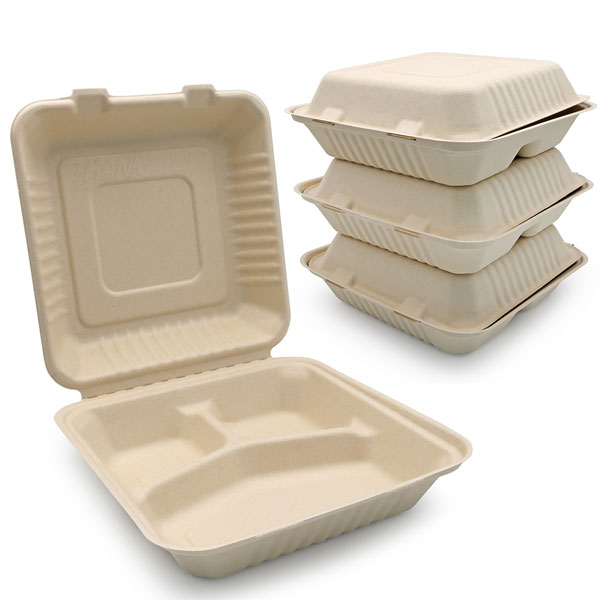
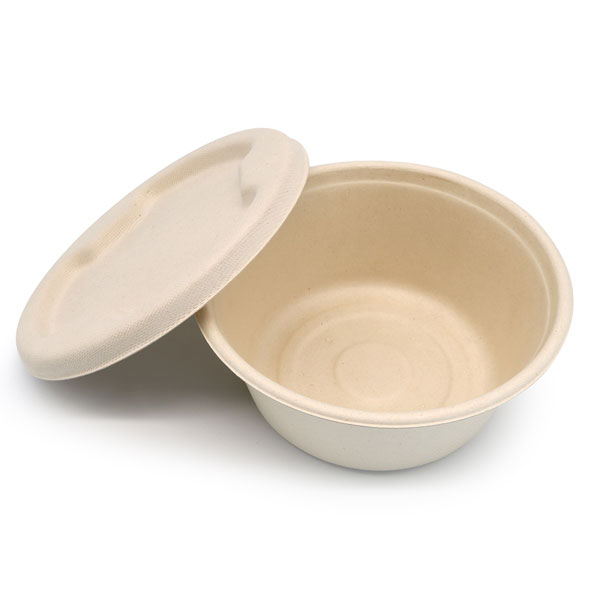
2. Choose from various shapes, sizes, and thicknesses tailored to specific menu items
3. Select from natural finishes or add subtle color accents that maintain compostability
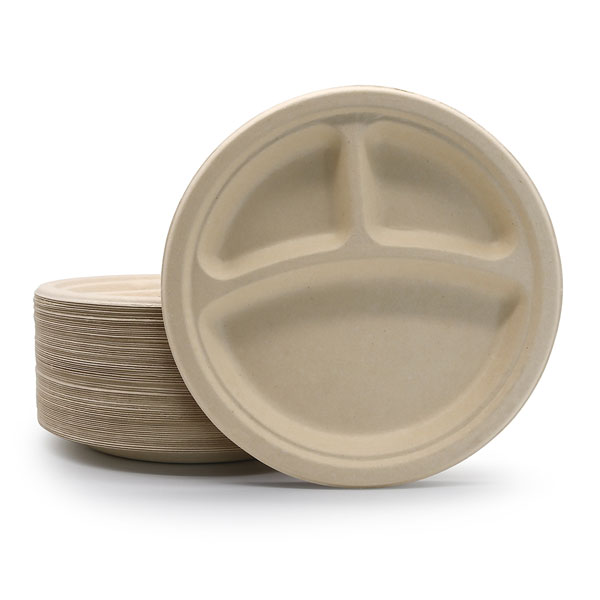
4. Implement portion-controlled designs that reduce food waste
Forward-thinking businesses are discovering that investing in sugarcane bagasse compostable plates delivers measurable returns. The initial cost premium (typically 15-25% higher than conventional options) is offset by:
• Reduced environmental compliance risks and potential fines
• Marketing advantages that attract eco-conscious customers
• Operational efficiencies through optimized waste management
• Future-proofing against increasingly stringent regulations
The 25% growth rate shows no signs of slowing. Industry experts predict continued expansion driven by:
• Advancements in material science making sugarcane bagasse even more versatile
• Increased adoption in emerging markets as sustainability awareness grows
• Integration with circular economy initiatives creating closed-loop systems
• Government incentives for businesses adopting sustainable packaging solutions
For companies ready to embrace the sugarcane bagasse revolution, the transition to compostable plates involves:
1. Conducting a packaging audit to identify replacement opportunities
2. Partnering with experienced suppliers who understand both material science and commercial requirements
3. Implementing staff training on proper disposal and composting procedures
4. Communicating the change to customers through clear messaging about environmental benefits
5. Monitoring performance metrics to quantify the impact on operations and brand perception
The packaging revolution of 2024 isn't just about replacing one material with another—it's about reimagining how businesses interact with both their customers and the planet. As sugarcane bagasse continues its remarkable growth trajectory, compostable plates stand at the forefront of this transformation, offering practical solutions that align profitability with planetary responsibility. The question for forward-thinking businesses is no longer whether to make the switch, but how quickly they can capitalize on this sustainable packaging revolution.