In today's environmentally conscious market, supermarkets face mounting pressure from consumers, regulators, and investors to reduce plastic waste. Fresh Supermarket, a mid-sized grocery chain with 25 locations, found itself at a critical juncture: continue with traditional plastic packaging or pioneer a sustainable transformation. Their journey with compostable plates made from sugarcane bagasse offers valuable insights for any business seeking to balance environmental responsibility with commercial viability.
Before implementing their sustainability initiative, Fresh Supermarket was using approximately 2.3 million plastic plates annually across their prepared foods and deli sections. This translated to:
• 18.4 tons of plastic waste entering landfills each year
• 450+ years for complete decomposition of each plate
• Significant carbon footprint from petroleum-based production
• Negative impact on marine ecosystems and wildlife
• Increasing consumer complaints about excessive packaging
• Regulatory pressure from upcoming plastic bans in their operating regions
• Brand perception as "not environmentally progressive" in customer surveys
• Rising costs of plastic due to supply chain volatility
After evaluating multiple alternatives, Fresh Supermarket selected compostable plates made from sugarcane bagasse - the fibrous residue left after extracting juice from sugarcane. This agricultural byproduct offered several compelling advantages:
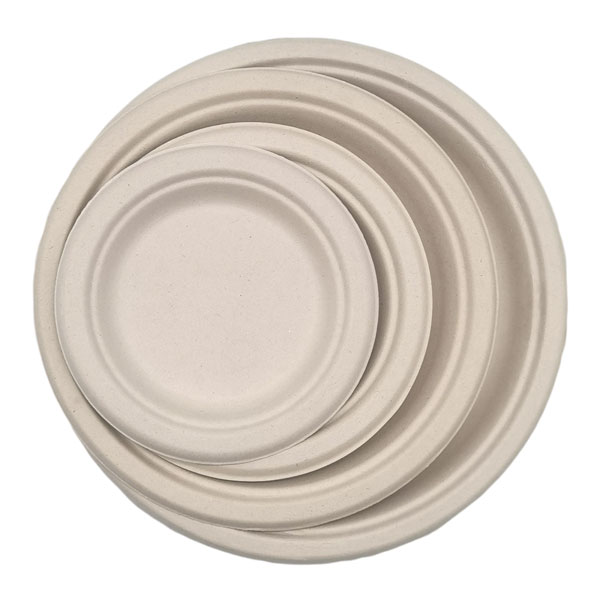
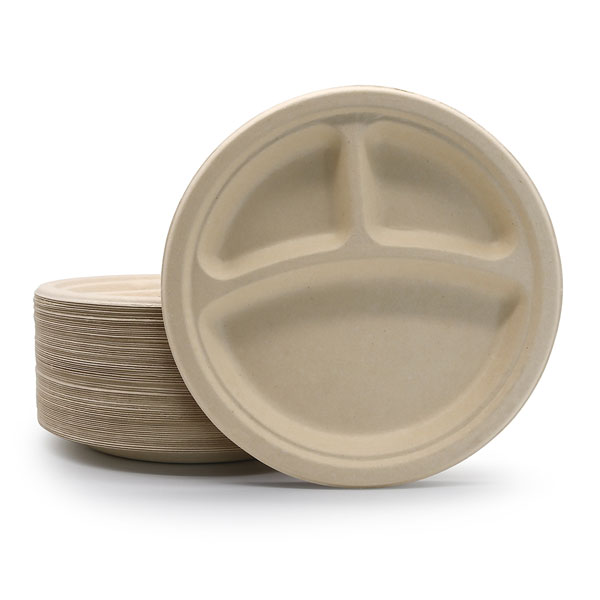
Sugarcane bagasse compostable plates provide exceptional durability and heat resistance, making them ideal for hot prepared foods. Unlike some biodegradable alternatives, they don't become soggy or lose structural integrity when holding moist or oily foods.
• 100% compostable in industrial facilities within 60-90 days
• Carbon-negative production process (sugarcane absorbs CO2 during growth)
• Utilizes agricultural waste that would otherwise be burned
• Leaves no toxic residues in soil after decomposition
Fresh Supermarket approached their packaging transformation with a phased implementation strategy:
They began with a 3-month pilot in 5 stores, replacing plastic plates in their salad bars and hot food sections with compostable plates. This allowed them to:
• Test customer acceptance and feedback
• Evaluate operational logistics
• Measure cost implications
• Assess waste management requirements
Based on positive pilot results, Fresh Supermarket expanded the program to all 25 locations over 6 months. Key implementation steps included:
• Staff training on proper handling and disposal
• Updated signage explaining the compostable packaging to customers
• Partnership with local composting facilities
• Supplier coordination for consistent supply chain
After 12 months of full implementation, Fresh Supermarket achieved remarkable outcomes:
The switch to compostable plates resulted in eliminating 1.15 million plastic plates annually, representing a 50% reduction in plastic packaging across their prepared foods operations.
• 9.2 tons of plastic waste diverted from landfills annually
• 42% reduction in packaging-related carbon emissions
• 100% of used plates successfully composted in industrial facilities
• Positive contribution to circular economy principles
• 18% increase in customer satisfaction scores for environmental initiatives
• 12% growth in prepared foods sales attributed to positive brand perception
• 7% reduction in waste management costs through composting partnerships
• Enhanced brand positioning as sustainability leader in local markets
Fresh Supermarket's experience highlights why sugarcane bagasse compostable plates represent the optimal solution for businesses seeking sustainable packaging:
• Superior strength-to-weight ratio compared to paper-based alternatives
• Excellent microwave safety (up to 220°F/104°C)
• Natural grease and cut resistance
• Consistent quality and dimensional stability
• Competitive pricing with premium plastic options
• Reduced long-term liability from plastic regulations
• Potential for waste-to-energy recovery in some regions
• Eligibility for sustainability certifications and green business incentives
Based on Fresh Supermarket's successful experience, here's a practical roadmap for implementing compostable plates in your operations:
• Conduct a packaging audit to identify plastic usage patterns
• Evaluate local composting infrastructure availability
• Calculate total cost of ownership (including waste management)
• Set realistic reduction targets and timelines
• Verify compostability certifications (ASTM D6400, EN13432)
• Assess supply chain reliability and scalability
• Request samples for product testing
• Negotiate volume-based pricing agreements
• Start with a controlled pilot in one department or location
• Train staff on proper handling and disposal procedures
• Gather customer feedback through surveys and direct observation
• Measure operational impacts before full rollout
• Develop comprehensive staff training programs
• Create customer education materials
• Establish partnerships with composting facilities
• Implement monitoring systems to track progress
Fresh Supermarket's success with compostable plates represents more than just a packaging change - it's a strategic shift toward circular business models. As plastic regulations tighten globally and consumer preferences evolve, early adopters of sustainable packaging solutions gain competitive advantages in:
• Brand differentiation and customer loyalty
• Regulatory compliance and risk mitigation
• Supply chain resilience and innovation
• Long-term cost management
The journey from plastic dependency to sustainable packaging begins with a single decision. Fresh Supermarket's 50% plastic reduction achievement demonstrates that environmental responsibility and business success aren't mutually exclusive - they're mutually reinforcing.
Whether you're a supermarket chain, restaurant group, food service provider, or catering business, compostable plates offer a practical, scalable solution to reduce your environmental footprint while enhancing your brand value. The time to act is now - before regulatory mandates force change and before competitors claim the sustainability high ground.
Start your transformation today by exploring customized compostable plate solutions tailored to your specific operational needs and sustainability goals.