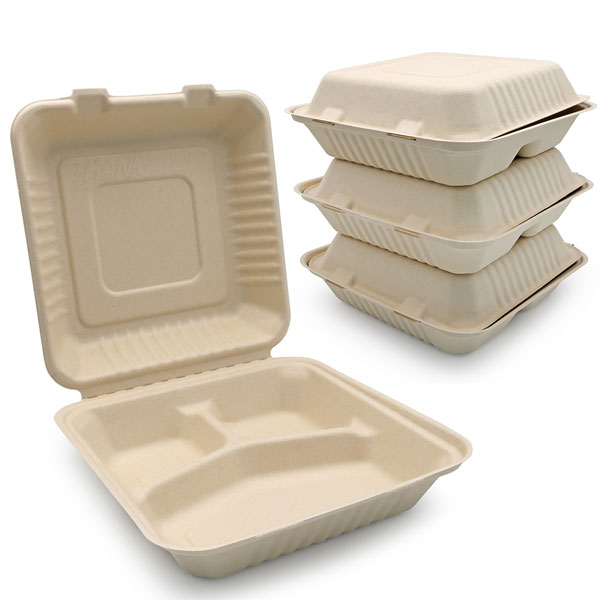
As environmental consciousness reaches new heights, chain restaurants face mounting pressure to reduce their plastic footprint. Customers are voting with their wallets, choosing establishments that align with their eco-values. Regulatory bodies are tightening restrictions on single-use plastics. The question is no longer if you should transition to sustainable packaging, but how to do it effectively.
Sugarcane bagasse, the fibrous byproduct left after extracting juice from sugarcane, is transforming the foodservice industry. Unlike traditional plastics that linger in landfills for centuries, compostable plates made from this renewable resource break down completely in commercial composting facilities within 90-180 days.
Beyond environmental benefits, sugarcane bagasse packaging offers practical advantages that restaurant operators appreciate:
Modern compostable plates are engineered to withstand hot, greasy, and moist foods without leaking or becoming soggy. They maintain structural integrity better than many traditional paper alternatives, providing the durability your customers expect.
Eco-friendly packaging communicates your commitment to sustainability directly to customers. It's a tangible demonstration of corporate responsibility that enhances brand perception and can justify premium pricing for environmentally conscious consumers.
With plastic bans expanding globally, transitioning to compostable alternatives now positions your chain ahead of regulatory curves, avoiding costly last-minute changes and potential compliance issues.
Begin with a comprehensive audit of your current packaging usage. Identify which items represent the highest volume and environmental impact. Select one or two locations for a pilot program testing sugarcane bagasse compostable plates and related packaging.
During this phase, gather critical data on:
• Customer feedback and acceptance rates
• Operational integration challenges
• Cost comparisons with existing packaging
• Supply chain reliability and lead times
Based on pilot program insights, develop a rollout schedule that minimizes disruption. Consider factors like:
• Regional regulations and composting infrastructure availability
• Supplier capacity and distribution logistics
• Staff training requirements for proper handling and disposal
• Marketing communication strategy to announce the change
Implement the transition in waves, starting with regions where composting facilities are readily available and customer demand for sustainability is highest.
Once compostable plates are established across your locations, focus on optimization:
• Negotiate volume-based pricing with suppliers
• Implement waste stream management partnerships with commercial composters
• Develop educational materials for customers about proper disposal
• Track and communicate your environmental impact metrics
While initial costs for sugarcane bagasse packaging may be higher than traditional plastics, consider:
• The marketing value of sustainability messaging
• Potential for price premiums on eco-conscious menu items
• Long-term savings from avoiding plastic tax penalties
• Bulk purchasing agreements that reduce per-unit costs
Partner with established suppliers who demonstrate consistent quality control and reliable delivery schedules. Consider dual-sourcing strategies to mitigate supply disruptions.
Clear communication is essential. Use table tents, menu notations, and staff training to explain why you've made the switch and how customers can properly dispose of compostable plates.
Track both quantitative and qualitative metrics:
• Reduction in plastic waste volume
• Customer satisfaction scores related to sustainability
• Social media sentiment and brand mentions
• Employee engagement and pride in environmental initiatives
• Regulatory compliance status across operating regions
The transition to sugarcane bagasse compostable plates represents more than just a packaging change—it's a strategic repositioning that aligns your chain restaurant with evolving consumer values and regulatory realities. By following this structured 3-step approach, you can implement this sustainable upgrade systematically, minimizing operational disruption while maximizing environmental and brand benefits.
Ready to begin your eco-packaging transformation? Contact our sustainability consultants today for a customized transition plan tailored to your chain's specific needs and operational footprint.