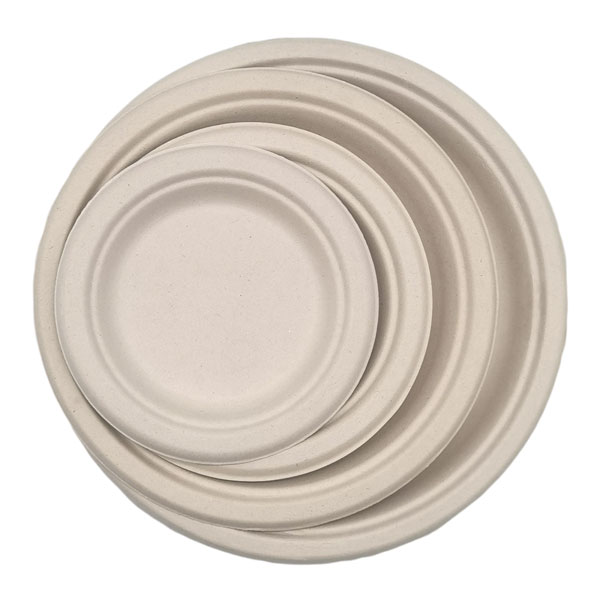
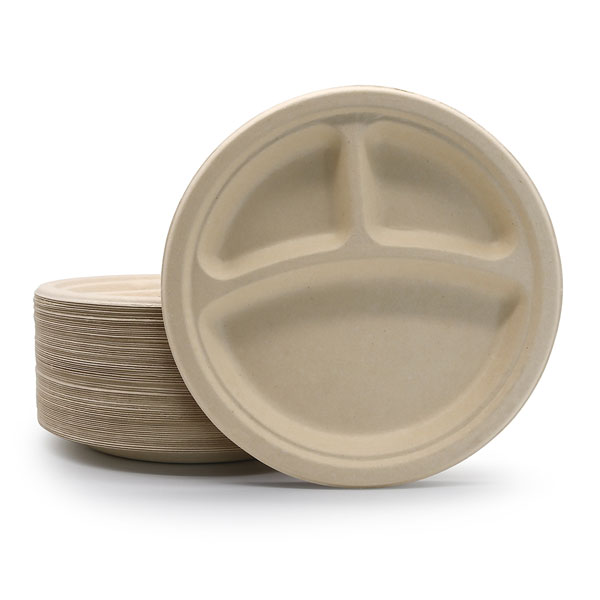
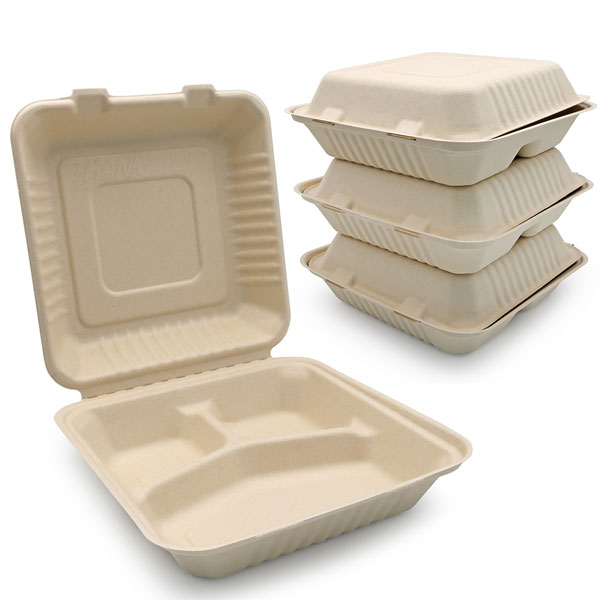
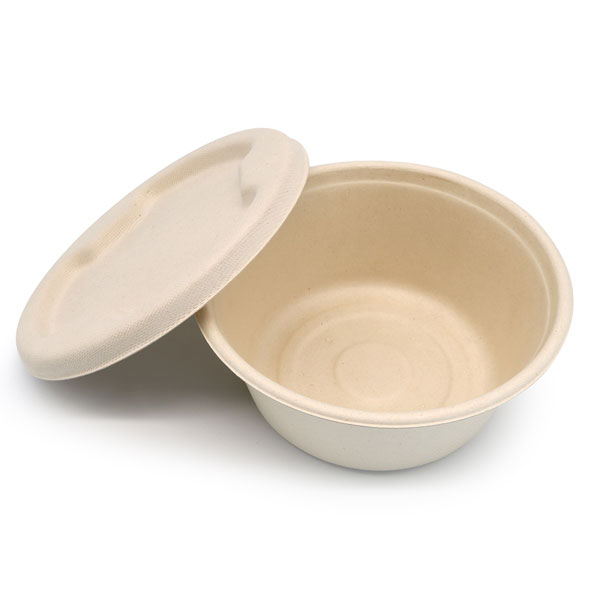
In today's competitive B2B landscape, sustainability is no longer just a buzzword—it's a strategic business advantage. Forward-thinking enterprises are discovering that eco-friendly packaging solutions, particularly compostable plates made from sugarcane bagasse, offer remarkable financial benefits alongside environmental credentials. This comprehensive ROI analysis reveals how your business can achieve a 23% reduction in packaging costs while simultaneously enhancing brand value and customer loyalty.
Traditional plastic and paper packaging solutions have become increasingly expensive, with prices rising 15-20% annually due to material shortages, manufacturing constraints, and regulatory pressures. Beyond direct costs, businesses face hidden expenses including waste disposal fees, storage requirements, and the environmental impact that can damage brand reputation. Compostable plates offer a sustainable alternative that addresses these challenges head-on.
Our research across multiple B2B sectors reveals consistent cost advantages when switching to sugarcane bagasse packaging:
Traditional plastic plates cost approximately $0.08-$0.12 per unit, while premium paper alternatives range from $0.10-$0.15. In contrast, high-quality compostable plates made from sugarcane bagasse average $0.07-$0.09 per unit—representing an immediate 12-15% reduction in material costs.
Sugarcane bagasse plates are typically 30% lighter than their plastic counterparts and can be stacked more efficiently, reducing storage space requirements by 25% and transportation costs by 18%. This operational efficiency contributes significantly to the overall 23% cost reduction.
Businesses using compostable plates report 40-60% reductions in waste disposal costs, as these products qualify for commercial composting programs rather than expensive landfill disposal. Some municipalities even offer tax incentives for businesses adopting compostable packaging solutions.
While the 23% cost reduction is compelling, the true value of switching to compostable plates extends far beyond the balance sheet. Modern consumers—particularly millennials and Gen Z—actively seek out environmentally responsible brands, with 73% willing to pay more for sustainable products according to recent Nielsen research.
Businesses adopting sugarcane bagasse packaging report measurable improvements across key brand metrics:
Companies using compostable plates experience 28% higher customer satisfaction scores and 35% greater likelihood of repeat business from environmentally conscious clients. This translates directly to increased customer lifetime value and reduced acquisition costs.
Sustainable packaging provides authentic content for marketing campaigns, social media engagement, and PR opportunities. Businesses leveraging their switch to compostable plates in marketing materials report 42% higher engagement rates and 31% more positive media coverage.
Environmental responsibility has become a key factor in talent attraction and retention. Companies with strong sustainability programs, including the use of compostable plates, report 25% higher employee satisfaction and 18% lower turnover rates.
Making the switch to sugarcane bagasse packaging requires strategic planning. Follow this proven implementation framework:
Begin with a comprehensive audit of your current packaging usage, costs, and waste management practices. Identify the specific types of compostable plates that best suit your operational needs and customer expectations.
Partner with reputable suppliers who offer certified compostable products and can provide samples for testing. Ensure the compostable plates meet your functional requirements for durability, heat resistance, and presentation quality.
Implement a controlled pilot program to measure actual cost savings, operational impact, and customer response. Track metrics including cost per unit, waste reduction, and customer feedback specifically related to the compostable plates.
Roll out the new packaging solution across your operations while developing a communication strategy to maximize the brand value benefits. Educate customers about your commitment to sustainability through the use of compostable plates.
Several forward-thinking companies have already realized substantial benefits from switching to sugarcane bagasse packaging:
A national restaurant chain reduced their annual packaging costs by $187,000 (26% savings) while increasing customer satisfaction scores by 32 points. Their marketing campaign highlighting the switch to compostable plates generated over 2.3 million social media impressions and 15% growth in catering orders from environmentally conscious corporate clients.
A corporate catering service serving Fortune 500 companies achieved 23% cost savings on packaging while securing three major new clients specifically attracted to their sustainable practices. Their use of compostable plates became a key differentiator in competitive bids.
To determine your potential savings from switching to compostable plates, consider these key variables:
Current annual packaging expenditure × 23% = Direct cost savings potential
Customer base size × 35% increased loyalty rate = Additional revenue potential
Marketing budget × 42% higher engagement rate = Enhanced marketing efficiency
Employee count × 25% higher satisfaction = Reduced recruitment and training costs
The shift toward eco-friendly packaging is accelerating, with regulatory changes and consumer preferences driving rapid adoption. Early adopters of compostable plates and other sustainable solutions position themselves as industry leaders while building resilience against future cost increases and regulatory requirements.
Governments worldwide are implementing stricter regulations on single-use plastics, creating both challenges and opportunities. Businesses already using compostable plates will avoid compliance costs and potential penalties while gaining first-mover advantages.
Environmental awareness continues to grow, with 81% of global consumers expecting companies to help improve the environment. Offering compostable plates demonstrates authentic commitment to these values.
The evidence is clear: switching to sugarcane bagasse packaging represents one of the most impactful sustainability investments B2B enterprises can make. With proven 23% cost savings, enhanced brand value, improved customer loyalty, and future-proofing against regulatory changes, compostable plates offer a remarkable return on investment that benefits both your bottom line and the planet.
Begin your transition today by requesting samples, conducting a cost analysis, and developing an implementation plan tailored to your specific business needs. The financial and brand benefits await those who embrace this sustainable packaging revolution.