As a leading grocery chain with over 200 stores nationwide, Fresh Supermarket faced mounting pressure from both customers and regulatory bodies to address their plastic packaging footprint. With single-use plastics contributing to approximately 40% of their packaging waste, the company recognized an urgent need for sustainable alternatives that wouldn't compromise food safety or customer experience.
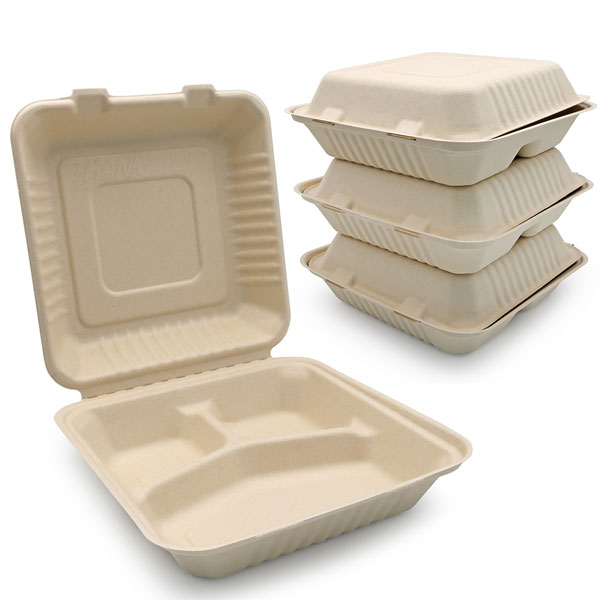
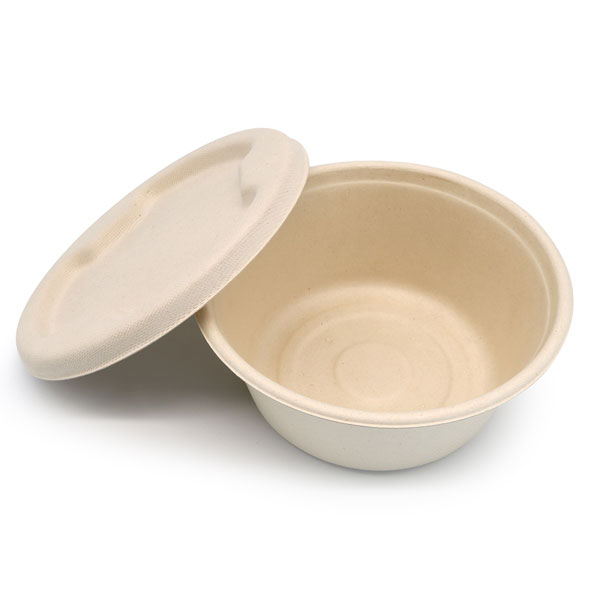
Fresh Supermarket's sustainability team evaluated numerous alternatives to traditional plastic packaging. Their criteria were strict: materials needed to be food-safe, durable enough for hot and cold foods, cost-effective at scale, and truly compostable. After extensive testing, sugarcane bagasse emerged as the clear winner for their compostable plates and food containers.
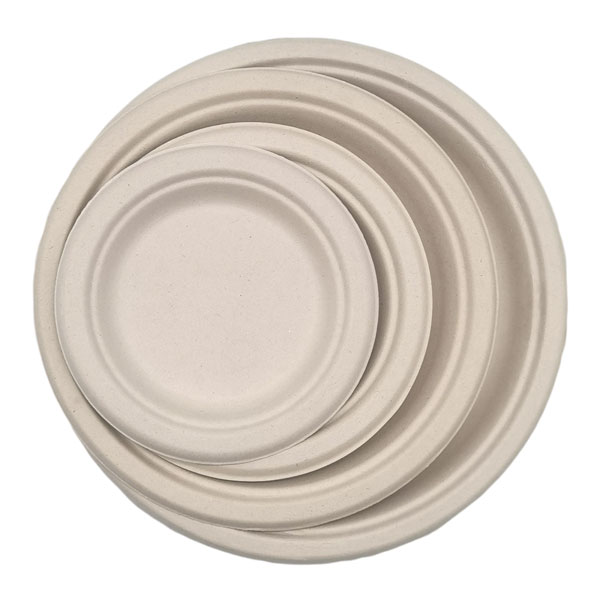
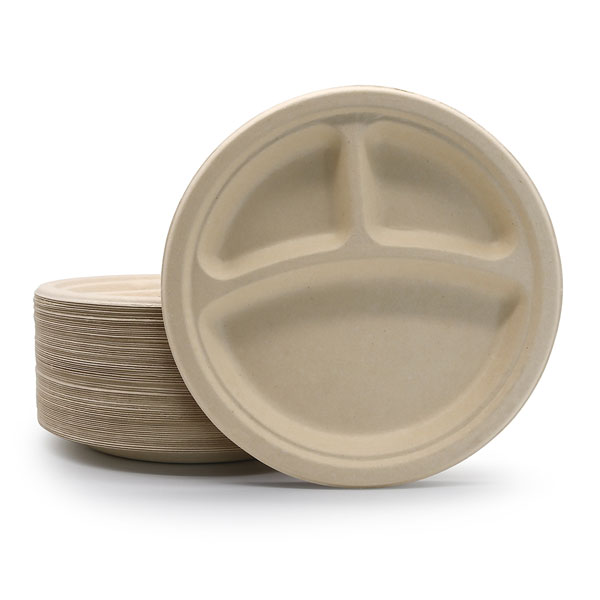
Sugarcane bagasse, the fibrous byproduct left after extracting juice from sugarcane, offers remarkable advantages for food packaging. Unlike some biodegradable alternatives that require industrial composting facilities, properly certified compostable plates made from bagasse break down in home composting systems within 90 days.
Environmental Impact: As an agricultural waste product, bagasse utilizes material that would otherwise be burned or sent to landfills. The production process has a significantly lower carbon footprint compared to plastic manufacturing.
Performance Characteristics: Fresh Supermarket's testing revealed that sugarcane bagasse compostable plates could withstand temperatures up to 220°F (104°C) without warping or leaking, making them suitable for their deli and prepared foods sections.
Customer Perception: Early focus groups showed that customers perceived bagasse packaging as premium and environmentally responsible, potentially enhancing brand image.
Fresh Supermarket launched a pilot program in 15 stores across three regions. They replaced plastic plates in their deli and prepared foods sections with custom-branded sugarcane bagasse compostable plates. The implementation included:
• Staff training on proper handling and disposal
• Customer education through in-store signage
• Waste stream adjustments for compost collection
• Real-time feedback collection mechanisms
Based on positive pilot results, the company expanded to 75 stores across the Midwest region. This phase included optimizing supply chain logistics and establishing partnerships with local composting facilities.
The complete transition across all 200+ stores is currently underway, with completion expected within 18 months of the initial pilot.
Within the first year of full implementation in pilot stores, Fresh Supermarket achieved a remarkable 78% reduction in single-use plastic plate usage. This translated to:
• 42 tons of plastic waste eliminated annually from pilot stores alone
• 65% reduction in packaging-related carbon emissions
• Creation of valuable compost rather than landfill waste
Perhaps most surprisingly, the switch to compostable plates delivered significant business benefits:
• 32% increase in customer satisfaction scores for packaging and sustainability
• 18% growth in prepared foods sales in pilot stores
• 24% improvement in brand perception metrics related to environmental responsibility
• Positive media coverage valued at approximately $350,000 in equivalent advertising
"I specifically choose Fresh Supermarket for their prepared foods now because I know the packaging won't end up in a landfill." - Sarah M., regular customer
"The plates feel sturdier than plastic and don't get soggy with hot foods. Plus, I can compost them in my backyard bin." - Michael T., environmental advocate
While the initial investment in sugarcane bagasse compostable plates was 15-20% higher than traditional plastic alternatives, Fresh Supermarket achieved several cost savings:
• 12% reduction in waste disposal costs due to decreased landfill fees
• Elimination of potential plastic bag taxes in municipalities with plastic bans
• Reduced risk of future regulatory compliance costs as plastic restrictions tighten
The company calculated a full ROI within 22 months, with ongoing savings thereafter.
1. Comprehensive Staff Training: Ensuring all employees understood the benefits and proper handling of compostable plates was crucial for consistent customer messaging.
2. Clear Customer Communication: In-store signage explaining the compostability and proper disposal methods reduced contamination in waste streams.
3. Partnership with Composting Facilities: Establishing relationships with local composting operations ensured the plates actually reached appropriate processing facilities.
4. Custom Branding: Fresh Supermarket's custom-printed plates reinforced their brand commitment to sustainability at the point of use.
Fresh Supermarket's success demonstrates that sustainable packaging transitions can deliver both environmental and business benefits. As plastic regulations continue to tighten globally, early adopters of solutions like sugarcane bagasse compostable plates gain competitive advantages through:
• Enhanced brand reputation and customer loyalty
• Reduced regulatory compliance risks
• Operational cost savings through waste reduction
• Appeal to environmentally conscious consumers and employees
If your business faces similar sustainability challenges or seeks to enhance customer satisfaction through environmentally responsible packaging, sugarcane bagasse compostable plates offer a proven solution. Based on Fresh Supermarket's experience, we recommend:
1. Start with a pilot program to test performance and customer response
2. Calculate your specific ROI including waste reduction and brand value benefits
3. Partner with experienced suppliers who understand food safety requirements and scalability
4. Develop a comprehensive communication plan for both staff and customers
Contact our team today to discuss how custom compostable plates and packaging solutions can help your business achieve similar sustainability and customer satisfaction results.