The global shift towards sustainability is reshaping the food packaging industry at an unprecedented pace. As environmental concerns intensify and regulatory frameworks evolve, businesses across the food service sector are actively seeking alternatives to traditional plastic packaging. This transformation presents both challenges and opportunities for B2B companies looking to stay ahead of market trends while meeting growing consumer demand for eco-conscious solutions.
Recent market research indicates a seismic shift in the food packaging sector, with sustainable alternatives gaining significant traction. The most compelling statistic emerging from industry analysis is the projected 45% growth in sugarcane bagasse packaging demand throughout 2024. This remarkable increase isn't merely a passing trend but represents a fundamental restructuring of supply chains and consumer preferences.
Several key factors are driving this transformation. First, consumer awareness about environmental impact has reached critical mass, with 78% of consumers now preferring businesses that demonstrate genuine commitment to sustainability. Second, technological advancements have made eco-friendly alternatives more accessible and cost-effective than ever before. Third, and perhaps most significantly, policy changes at local, national, and international levels are creating powerful market incentives for sustainable packaging adoption.
Government regulations are emerging as the single most influential factor shaping the eco-packaging market. Across North America, Europe, and Asia-Pacific regions, legislative measures are increasingly targeting single-use plastics and promoting compostable alternatives. These policies range from outright bans on certain plastic products to tax incentives for businesses adopting sustainable packaging solutions.
The European Union's Single-Use Plastics Directive continues to set the pace globally, with similar legislation being adopted in multiple U.S. states and Canadian provinces. These regulations specifically encourage the use of compostable plates and other food service items made from renewable resources like sugarcane bagasse. For B2B companies, understanding these regulatory landscapes isn't just about compliance—it's about identifying strategic advantages in an evolving market.
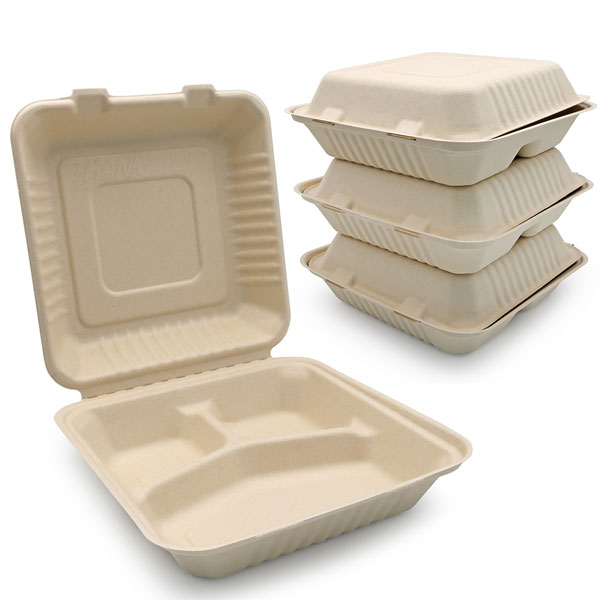
Sugarcane bagasse, the fibrous byproduct left after extracting juice from sugarcane, represents one of the most promising materials in sustainable packaging. Its advantages extend far beyond environmental benefits, offering practical solutions for businesses seeking reliable, high-performance alternatives to traditional packaging.
First, sugarcane bagasse packaging is fully compostable under industrial conditions, breaking down within 90 days without leaving harmful residues. This makes compostable plates made from this material ideal for businesses aiming to reduce their environmental footprint while maintaining food safety standards.
Second, the material offers excellent thermal properties, maintaining structural integrity even when holding hot foods or liquids. This durability addresses a common concern among food service providers who need packaging that performs reliably under real-world conditions.
Third, sugarcane bagasse is a renewable resource with abundant availability, ensuring stable supply chains and predictable pricing—critical considerations for B2B procurement decisions.
As businesses recognize the branding opportunities presented by sustainable packaging, demand for customized compostable plates has surged. Restaurants, catering services, and food manufacturers are increasingly seeking packaging solutions that not only meet environmental standards but also enhance brand identity and customer experience.
Custom compostable plates offer multiple advantages for forward-thinking businesses. They provide a tangible demonstration of corporate sustainability commitments, create memorable unboxing experiences for customers, and differentiate brands in competitive markets. The ability to incorporate logos, brand colors, and messaging directly onto eco-friendly packaging represents a powerful marketing tool that aligns with contemporary consumer values.
For businesses considering the transition to sustainable packaging, several strategic considerations can maximize both environmental impact and commercial success. A phased approach often proves most effective, beginning with high-visibility applications where sustainable packaging makes the strongest impression on customers.
Partnering with experienced suppliers who understand both the technical requirements of compostable plates and the regulatory landscape is essential. Look for providers who offer comprehensive solutions, including material sourcing, customization capabilities, and compliance guidance. Additionally, consider conducting pilot programs to test different packaging options and gather customer feedback before full-scale implementation.
The trends driving current market transformations show no signs of slowing. As technology continues to advance and regulatory frameworks become more comprehensive, sustainable packaging is transitioning from a competitive advantage to an industry standard. Businesses that proactively adapt to these changes position themselves not only as environmental leaders but as commercially resilient entities prepared for future market conditions.
The projected 45% growth in sugarcane bagasse packaging represents just the beginning of a broader industry transformation. As consumer expectations evolve and regulatory pressures increase, the demand for innovative, sustainable solutions like compostable plates will continue to accelerate. For B2B companies, the question is no longer whether to adopt eco-friendly packaging, but how quickly and effectively they can integrate these solutions into their operations.
By understanding market trends, leveraging policy incentives, and implementing strategic packaging solutions, businesses can turn environmental responsibility into commercial advantage while contributing to a more sustainable future for the food service industry.