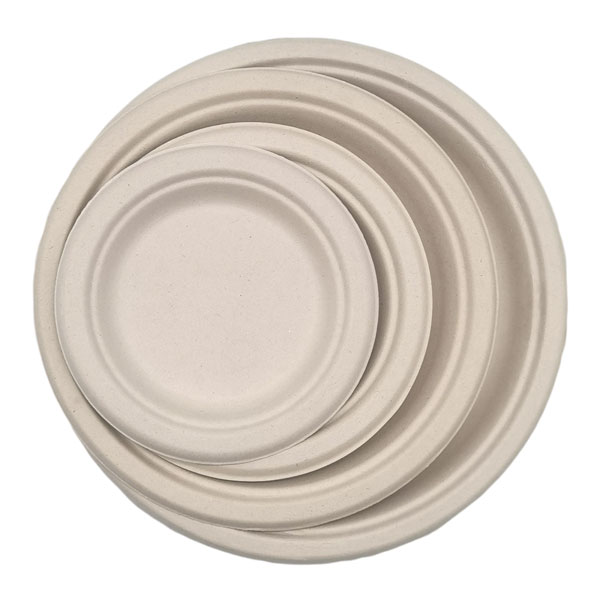
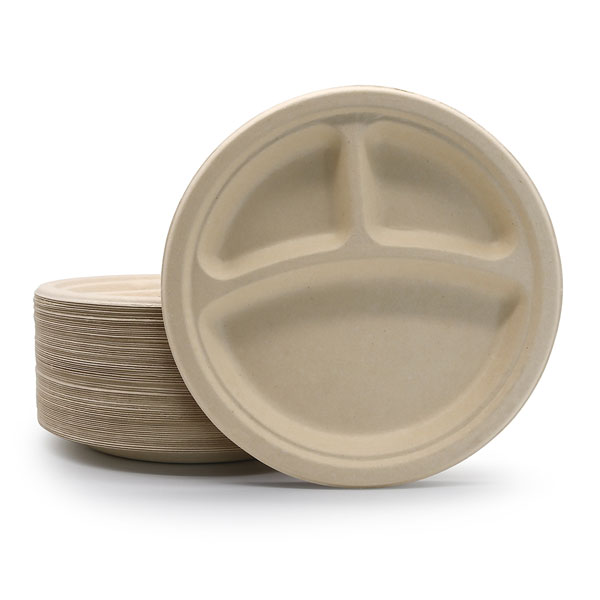
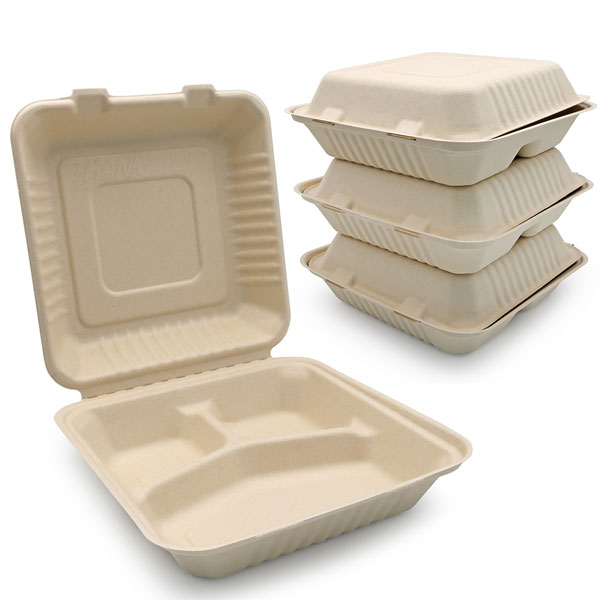
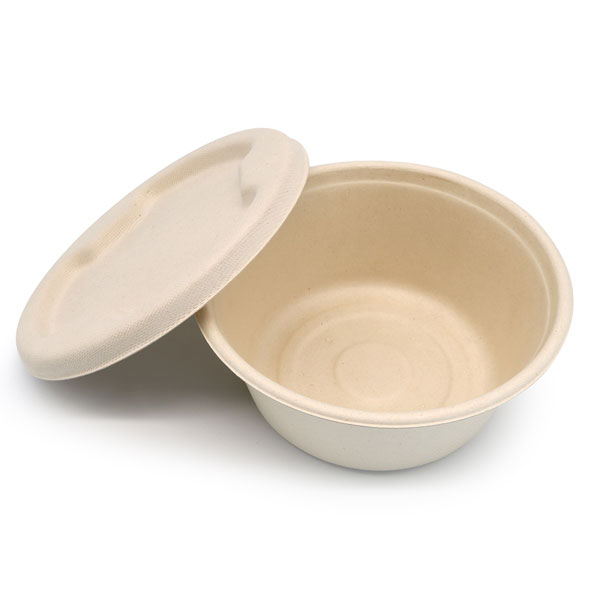
The eco-packaging landscape is undergoing a seismic shift in 2024, with sugarcane bagasse emerging as the frontrunner in sustainable food service solutions. As businesses worldwide grapple with tightening environmental regulations and growing consumer demand for green alternatives, the market for compostable plates and containers is experiencing unprecedented growth. Recent projections indicate a staggering 45% increase in demand for sugarcane bagasse food containers, driven primarily by powerful policy initiatives reshaping the industry.
Governments across the globe are implementing aggressive environmental policies that directly impact food service businesses. From single-use plastic bans to extended producer responsibility schemes, these regulations are creating both challenges and opportunities for forward-thinking companies. The shift toward compostable plates isn't just a trend—it's becoming a regulatory requirement in many markets.
The most significant driver behind the 45% projected growth is the wave of plastic reduction legislation sweeping across continents. The European Union's Single-Use Plastics Directive, California's ambitious plastic reduction laws, and similar initiatives in over 60 countries are forcing food service businesses to seek viable alternatives. Sugarcane bagasse compostable plates offer the perfect solution: they provide the durability and functionality of traditional plastics while being fully compostable and renewable.
For B2B clients, this means compliance isn't just about avoiding penalties—it's about future-proofing operations. Businesses that transition to compostable plates now are positioning themselves as industry leaders while mitigating regulatory risks. The investment in sugarcane bagasse packaging today translates to long-term cost savings and brand enhancement tomorrow.
Modern consumers are increasingly sophisticated about environmental claims. Greenwashing no longer works, and businesses need genuinely sustainable solutions to maintain customer loyalty. Sugarcane bagasse compostable plates resonate with eco-conscious consumers because they're made from agricultural waste—a byproduct of sugar production that would otherwise be burned or discarded.
The circular economy aspect of these compostable plates is particularly compelling. Unlike some bioplastics that require industrial composting facilities, high-quality sugarcane bagasse plates can break down in home composting systems, making them accessible to a wider range of consumers. This accessibility drives demand from restaurants, catering services, and event organizers who want to offer truly sustainable dining experiences.
As production scales up and technology improves, the cost gap between traditional plastics and compostable plates continues to narrow. Government incentives, tax breaks for sustainable businesses, and the decreasing cost of raw materials are making sugarcane bagasse containers increasingly affordable. For B2B customers, this means the total cost of ownership for compostable plates is becoming more competitive than ever.
Beyond direct costs, businesses using compostable plates are seeing indirect financial benefits: enhanced brand reputation, increased customer loyalty, and reduced waste disposal costs. Many municipalities offer reduced waste management fees for businesses using compostable packaging, creating additional economic incentives for adoption.
Not all compostable plates are created equal. When selecting sugarcane bagasse containers for your business, consider these critical factors:
Certification Matters: Look for plates certified by recognized organizations like BPI (Biodegradable Products Institute), OK Compost, or similar regional certifications. These ensure the products meet strict compostability standards.
Performance Testing: Quality compostable plates should withstand hot foods, greasy items, and liquids without leaking or becoming soggy. Test samples with your specific menu items before committing to large orders.
Supply Chain Reliability: Partner with suppliers who offer consistent quality and reliable delivery. Customization options for branding and sizing can provide competitive advantages in your market.
End-of-Life Solutions: Consider how your customers will dispose of the plates. Provide clear composting instructions and consider partnering with local composting facilities to ensure proper disposal.
The projected 45% growth in sugarcane bagasse container demand represents more than just a market trend—it signals a fundamental shift in how businesses approach packaging. For B2B clients in the food service industry, this presents both challenges and opportunities:
Early adopters of high-quality compostable plates are gaining first-mover advantages in their markets. They're building brand equity with environmentally conscious consumers, reducing regulatory compliance risks, and positioning themselves as sustainability leaders.
The customization potential of sugarcane bagasse containers offers additional competitive benefits. Businesses can create branded compostable plates that reinforce their environmental commitment while providing practical, functional packaging solutions.
As policy drivers continue to reshape the packaging landscape, businesses that proactively embrace compostable plates will be better positioned to navigate regulatory changes, meet evolving consumer expectations, and build sustainable competitive advantages in an increasingly eco-conscious marketplace.
The message is clear: the transition to compostable plates isn't just an environmental imperative—it's a business necessity in 2024 and beyond. By understanding the policy drivers, consumer trends, and economic factors shaping this market, forward-thinking businesses can make informed decisions that benefit both their bottom line and the planet.