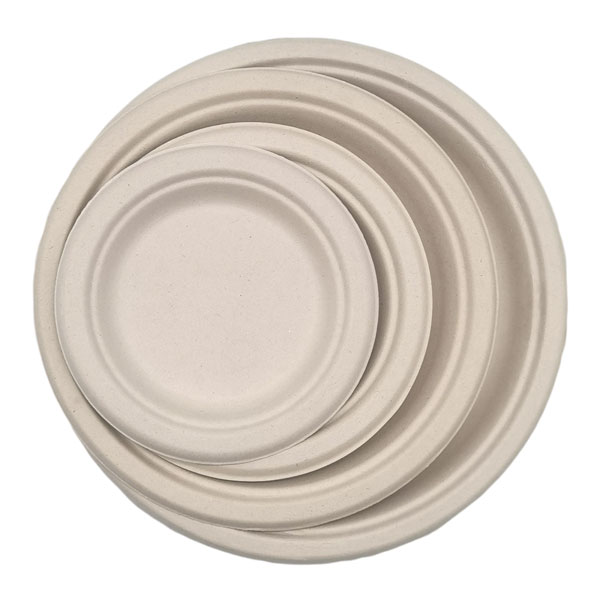
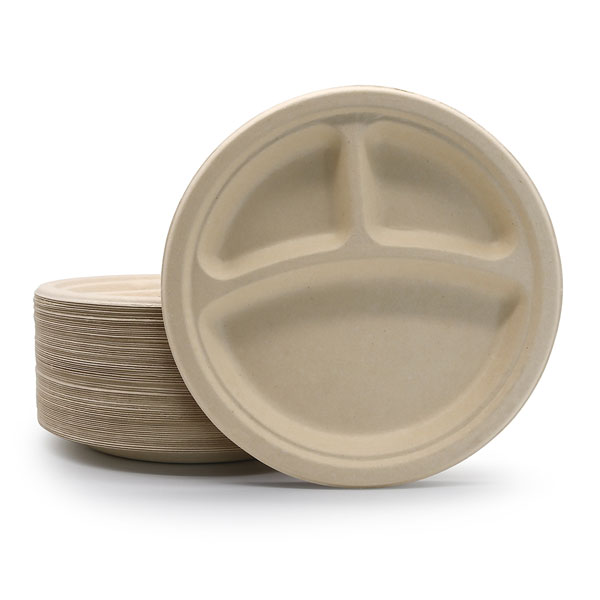
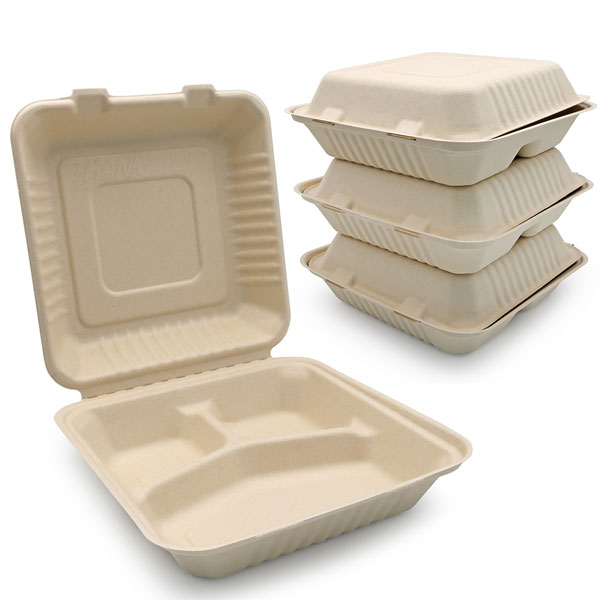
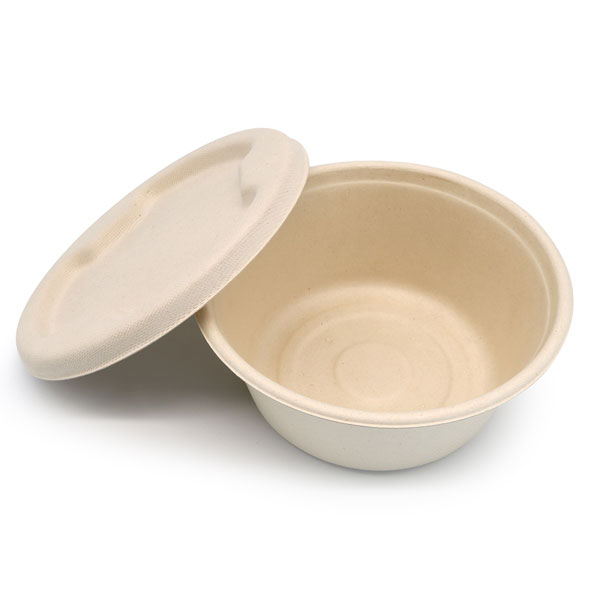
In today's environmentally conscious market, supermarkets face mounting pressure to reduce plastic waste while maintaining profitability. The challenge is real: how to balance sustainability goals with business growth? Fresh Supermarket's groundbreaking case study provides the answer, demonstrating how innovative compostable plates made from sugarcane bagasse delivered exceptional results.
Supermarkets worldwide generate millions of tons of plastic packaging waste annually. With increasing consumer awareness and regulatory pressures, traditional plastic packaging has become both an environmental liability and a business risk. Fresh Supermarket, a mid-sized chain with 45 locations across the Midwest, recognized this challenge early and sought a sustainable solution that would resonate with their eco-conscious customer base.
After extensive research, Fresh Supermarket identified sugarcane bagasse as the ideal material for their sustainable packaging transformation. Sugarcane bagasse, the fibrous residue left after juice extraction, offers several compelling advantages for compostable plates:
Sugarcane bagasse is a renewable agricultural byproduct that decomposes completely within 60-90 days in commercial composting facilities. Unlike traditional plastics that persist for centuries, these compostable plates return nutrients to the soil, creating a true circular economy solution.
The compostable plates made from sugarcane bagasse proved surprisingly durable, with excellent heat resistance up to 220°F and impressive leak resistance. This made them suitable for a wide range of supermarket applications, from prepared foods to bakery items and deli products.
Fresh Supermarket adopted a carefully planned three-phase implementation strategy for their compostable plates transition:
The chain launched a pilot program in 12 stores, focusing initially on their premium prepared foods section. This allowed them to test customer acceptance, operational logistics, and cost implications before full-scale rollout.
Based on positive pilot results, Fresh Supermarket expanded the compostable plates to their bakery and deli departments across all locations. This phase included comprehensive staff training and customer education initiatives.
The final phase involved replacing all single-use plastic plates in the supermarket's food service areas with sugarcane bagasse alternatives, creating a consistent sustainability message throughout the customer journey.
After 12 months of implementation, Fresh Supermarket documented impressive environmental impact:
The switch to compostable plates resulted in a 25% reduction in overall plastic packaging usage across their stores. This translated to approximately 18 tons of plastic eliminated annually from their waste stream.
With proper composting infrastructure partnerships, 92% of the used compostable plates were successfully diverted from landfills, contributing to soil enrichment rather than environmental pollution.
Beyond environmental benefits, the compostable plates initiative delivered significant business advantages:
Customer surveys revealed a 34% improvement in brand perception regarding environmental responsibility. This translated directly to increased customer loyalty and positive word-of-mouth marketing.
Products packaged in compostable plates experienced a remarkable 15% sales increase compared to those in traditional packaging. The sustainable packaging became a key differentiator for their premium product lines.
Fresh Supermarket gained a distinct competitive edge in their market, attracting environmentally conscious consumers who were willing to pay premium prices for sustainably packaged products.
Based on Fresh Supermarket's experience, several critical success factors emerged for successful compostable plates implementation:
Developing a strong partnership with a reliable compostable plates manufacturer ensured consistent quality and supply chain stability. Customization options allowed for brand-aligned packaging designs.
Clear signage and educational materials helped customers understand the benefits of compostable plates and proper disposal methods, reducing contamination in waste streams.
Comprehensive training programs ensured all employees understood the environmental benefits and could effectively communicate the value proposition to customers.
Fresh Supermarket faced and successfully addressed several challenges during their transition to compostable plates:
While initial costs were 15-20% higher than traditional plastic plates, the premium pricing potential and customer loyalty gains more than offset the investment within the first year.
Partnering with local commercial composting facilities ensured proper end-of-life processing for the compostable plates, creating a complete sustainability cycle.
Close coordination with suppliers and logistics partners maintained consistent inventory levels and prevented operational disruptions during the transition period.
Fresh Supermarket's success with compostable plates represents just the beginning of their sustainability journey. The chain has committed to expanding their sustainable packaging initiatives, with plans to:
Expand compostable packaging to more product categories, including produce and dry goods packaging where feasible.
Develop deeper partnerships with local composting facilities to create a truly circular system for their packaging materials.
Share their learnings and best practices with other supermarket chains to accelerate industry-wide adoption of sustainable packaging solutions.
Fresh Supermarket's case study demonstrates that sustainability and profitability are not mutually exclusive goals. By strategically implementing compostable plates made from sugarcane bagasse, they achieved a 25% reduction in plastic usage while increasing premium product sales by 15%. This success story provides a practical blueprint for other supermarkets seeking to enhance their environmental credentials while driving business growth.
The transition to compostable plates represents more than just a packaging change—it's a fundamental shift toward sustainable business practices that resonate with today's conscious consumers. As regulatory pressures increase and customer expectations evolve, early adopters of innovative solutions like sugarcane bagasse compostable plates will enjoy significant competitive advantages in the evolving retail landscape.