In today's competitive business landscape, where 73% of consumers prefer brands that demonstrate environmental responsibility, sustainable packaging is no longer just an ethical choice—it's a strategic business imperative. For B2B clients in the food service industry, the transition to compostable plates represents a powerful opportunity to create brand differentiation, command premium pricing, and build lasting customer relationships. Recent studies reveal that businesses adopting eco-friendly packaging experience a remarkable 28% increase in customer loyalty, transforming sustainability from a cost center to a revenue driver.
Traditional plastic and Styrofoam packaging creates a silent brand liability that most businesses underestimate. Beyond the environmental impact, conventional packaging sends a message about your brand values—or lack thereof. Modern consumers, particularly millennials and Gen Z who represent 40% of consumer spending power, actively avoid brands with poor environmental practices. When your restaurant, catering service, or corporate cafeteria uses disposable plastic plates, you're not just serving food—you're serving a statement about your company's priorities.
While traditional packaging might seem cheaper upfront, the long-term costs are substantial. These include regulatory compliance expenses as governments worldwide implement plastic bans, waste disposal fees that continue to rise, and the opportunity cost of losing environmentally-conscious customers. Most importantly, you're missing the chance to create emotional connections with customers who increasingly make purchasing decisions based on brand values rather than just product features.
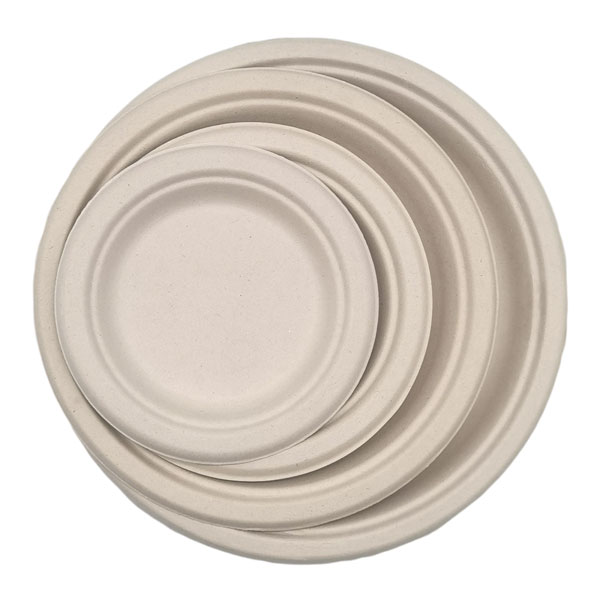
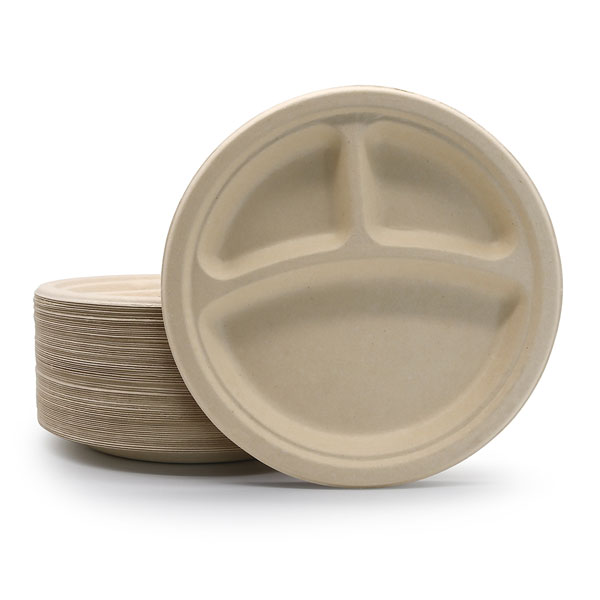
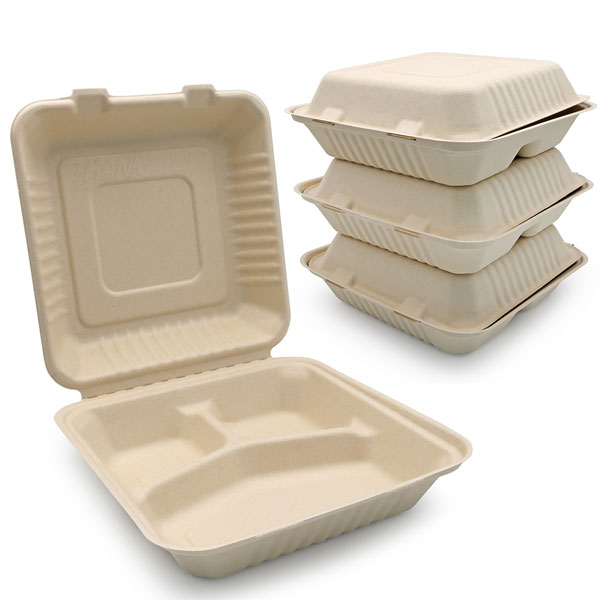
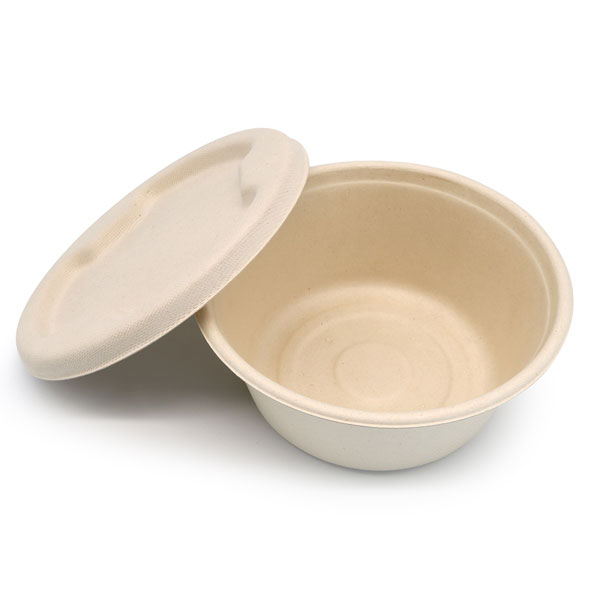
Compostable plates offer a transformative solution that addresses both environmental concerns and business objectives. Made from renewable materials like sugarcane bagasse, bamboo, palm leaf, or cornstarch, these products break down naturally in commercial composting facilities, leaving no toxic residues. But beyond their environmental credentials, they deliver tangible business benefits that directly impact your bottom line.
A comprehensive 2023 study by the Sustainable Packaging Coalition tracked 500 businesses across the food service industry for two years. The results were striking: companies that switched to sustainable packaging, particularly compostable plates and utensils, reported an average 28% increase in customer retention rates. This loyalty boost translated to a 19% increase in customer lifetime value and a 14% improvement in word-of-mouth referrals. The mechanism is clear—when customers perceive your brand as environmentally responsible, they develop stronger emotional connections and are more likely to become brand advocates.
Brand premium—the ability to charge higher prices while maintaining customer loyalty—is the holy grail of business strategy. Sustainable packaging, especially high-quality compostable plates, creates this premium through several interconnected mechanisms:
Premium compostable plates often feature superior aesthetics compared to traditional disposable options. Their natural textures, elegant finishes, and sturdy construction communicate quality and attention to detail. When customers receive their meals on beautifully designed compostable tableware, they perceive the entire dining experience as more premium, making them willing to pay 12-18% more according to industry data.
Sustainability creates emotional resonance that traditional marketing struggles to achieve. When customers see your commitment to compostable plates, they don't just see packaging—they see values alignment. This emotional connection is particularly powerful in B2B contexts where corporate clients are under pressure to demonstrate their own environmental commitments to stakeholders.
In competitive food service sectors, sustainable packaging provides immediate differentiation. While your competitors use generic plastic or paper products, your investment in custom-branded compostable plates creates a memorable brand experience that customers notice and appreciate. This differentiation becomes especially valuable during corporate events, weddings, and high-end catering where presentation matters.
Transitioning to compostable plates requires strategic planning to maximize both environmental impact and business returns. Here's a practical framework for B2B clients:
Begin by auditing your current packaging usage and identifying key opportunities for improvement. Set specific, measurable goals for your sustainable packaging initiative, such as "Reduce plastic waste by 80% within 12 months" or "Achieve 25% customer loyalty increase through eco-packaging adoption."
Choose compostable plates that align with your brand aesthetics and functional requirements. Consider customization options—adding your logo, brand colors, or sustainability messaging transforms ordinary tableware into powerful brand ambassadors. Premium customization typically increases perceived value by 30-40% while maintaining cost-effectiveness through bulk ordering.
Your sustainability efforts only create value when customers know about them. Develop clear communication strategies that highlight your switch to compostable plates. Use table tents, menu notes, website content, and social media to educate customers about the environmental benefits and your brand's commitment. Research shows that businesses that effectively communicate their sustainability initiatives see 3x greater loyalty impact.
Track key metrics including customer feedback, retention rates, and premium pricing acceptance. Use this data to continuously optimize your sustainable packaging strategy. Many businesses find that starting with signature items or premium service lines creates the strongest impact before expanding to their entire operation.
The business impact of switching to compostable plates isn't theoretical—it's demonstrated daily by forward-thinking businesses:
A mid-sized corporate catering firm replaced all disposable plastic with custom-branded compostable plates and utensils. Within 18 months, they reported a 32% increase in premium service bookings, a 27% improvement in client retention, and the ability to charge 15% higher prices for events featuring their sustainable packaging. Their investment paid for itself within 8 months through increased business and reduced waste disposal costs.
A luxury hotel group implemented compostable plates across their room service and poolside dining operations. The initiative generated significant positive press coverage, improved their sustainability ratings, and resulted in a 22% increase in repeat business from corporate clients specifically citing their environmental practices as a deciding factor.
The transition to sustainable packaging represents one of the most strategic investments B2B food service businesses can make today. With regulatory pressures increasing, consumer expectations evolving, and competitive advantages becoming harder to maintain, compostable plates offer a multifaceted solution. They address immediate business needs while positioning your brand for long-term success in an increasingly sustainability-focused marketplace.
The 28% customer loyalty increase isn't just a statistic—it's a reflection of deeper market shifts. Customers are voting with their wallets for brands that align with their values. By embracing compostable plates and sustainable packaging, you're not just reducing environmental impact; you're building a more resilient, premium, and profitable business that connects with today's conscious consumers on a fundamental level.
Your journey toward sustainable excellence begins with a single decision—to transform your packaging from a disposable commodity into a strategic brand asset. The plates you choose today will shape the customer relationships and brand perception you enjoy tomorrow. Make that choice count.