The world is at a critical turning point in the fight against plastic pollution. With over 2 billion people expected to be covered by plastic ban regulations by 2025, businesses across the globe are scrambling to find sustainable alternatives that meet both regulatory requirements and consumer expectations. This seismic shift is creating unprecedented opportunities in the eco-packaging market, particularly for innovative solutions like compostable plates.
From the European Union's Single-Use Plastics Directive to comprehensive bans in countries like Canada, Australia, and numerous states across the United States, the regulatory landscape is evolving rapidly. These regulations aren't just targeting plastic bags and straws - they're increasingly focusing on food service items, including traditional plastic plates and cutlery. For restaurants, catering services, event organizers, and food businesses, this means one thing: the time to transition to sustainable alternatives is now.
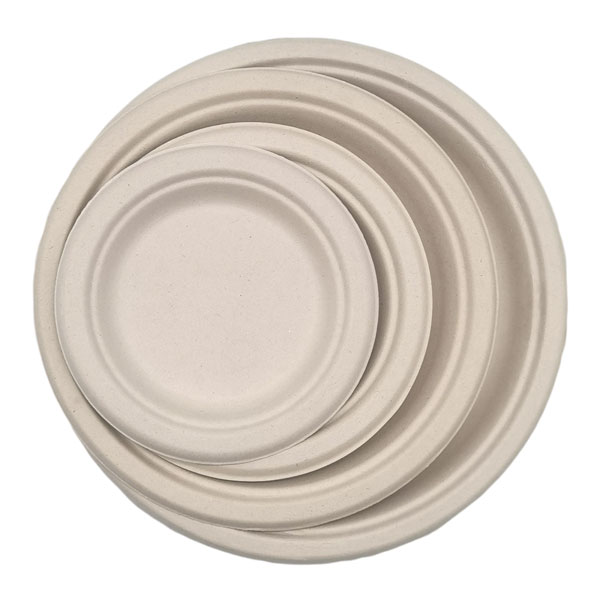
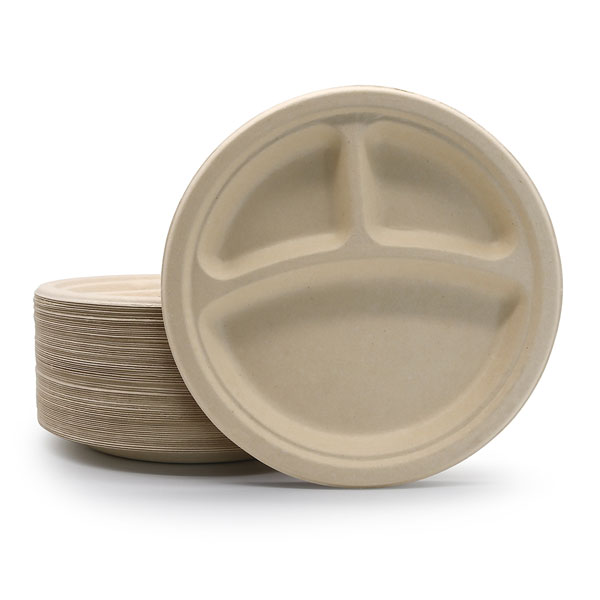
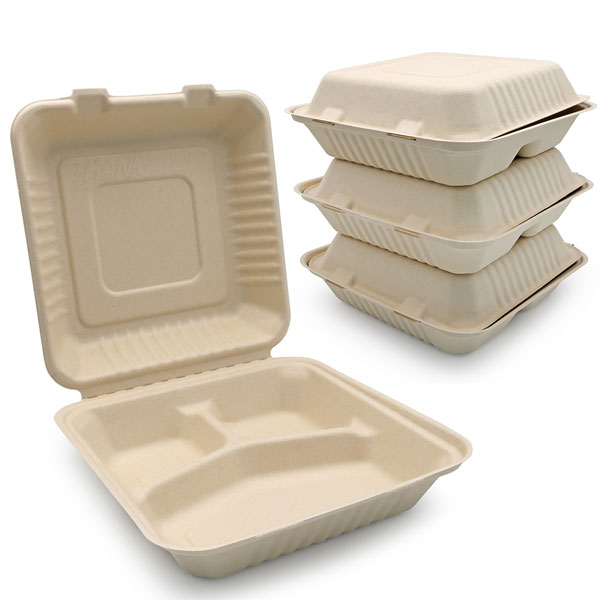
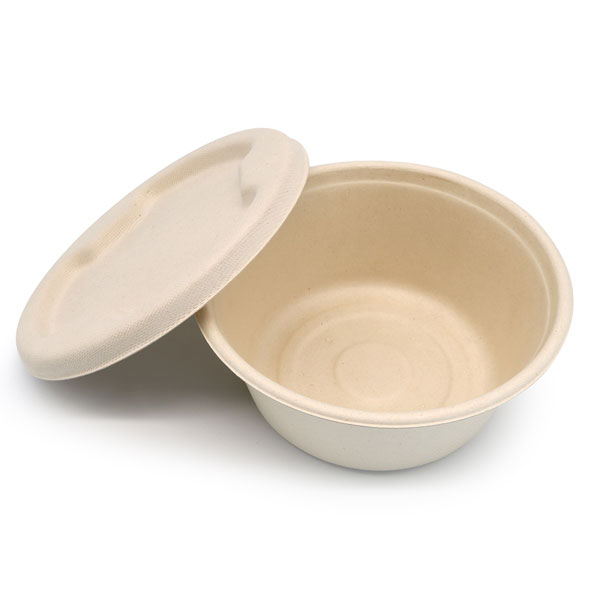
Among the various eco-friendly alternatives available, compostable plates have emerged as a frontrunner for several compelling reasons. Unlike traditional plastic plates that can take centuries to decompose, high-quality compostable plates break down completely within 90-180 days in industrial composting facilities. This makes them an ideal solution for businesses looking to reduce their environmental footprint while maintaining functionality and aesthetic appeal.
For B2B clients, the advantages of custom compostable plates extend far beyond environmental compliance. Customization allows businesses to:
1. Enhance brand visibility with logo-printed plates that tell your sustainability story
2. Meet specific functional requirements for different food types and serving temperatures
3. Create unique dining experiences that align with brand values and customer expectations
4. Future-proof operations against increasingly stringent environmental regulations
The eco-packaging market is projected to grow at a compound annual growth rate of over 12% through 2025, driven by both regulatory pressure and shifting consumer preferences. Modern consumers, particularly millennials and Gen Z, actively seek out businesses that demonstrate environmental responsibility. Offering meals on compostable plates isn't just about compliance - it's a powerful marketing tool that can attract environmentally conscious customers and build brand loyalty.
Not all compostable products are created equal. When sourcing compostable plates for your business, consider these key factors:
• Certification standards (ASTM D6400, EN 13432, BPI certification)
• Material composition (PLA, bagasse, palm leaf, or other plant-based materials)
• Functional performance (heat resistance, leak resistance, durability)
• Composting infrastructure availability in your operating regions
• Customization options for branding and design
While compostable plates may have a higher upfront cost compared to traditional plastic alternatives, the long-term benefits often outweigh the initial investment. Consider the hidden costs of plastic: potential regulatory fines, negative brand perception, and the environmental impact that can alienate eco-conscious customers. Many businesses find that the positive brand association and customer loyalty generated by sustainable practices deliver significant ROI beyond mere cost savings.
Transitioning to compostable plates requires careful planning. Successful implementation involves:
1. Conducting a comprehensive audit of current packaging usage
2. Identifying the right compostable plate specifications for your specific needs
3. Developing a phased transition plan to minimize disruption
4. Educating staff and customers about proper disposal methods
5. Partnering with reliable suppliers who understand B2B requirements
As plastic bans continue to expand globally, compostable plates represent more than just an alternative - they signify a fundamental shift in how businesses approach sustainability. The companies that embrace this change early will not only avoid regulatory headaches but will also position themselves as leaders in their industries. With over 2 billion people soon living under plastic ban regulations, the demand for high-quality, custom compostable plates will only continue to grow.
Ready to make the switch? Contact our team today to explore custom compostable plate solutions tailored to your business needs. Let us help you navigate the changing regulatory landscape while enhancing your brand's environmental credentials and customer appeal.