In the competitive world of supermarket operations, maintaining product freshness during cold chain transportation presents significant challenges. Traditional packaging solutions often fall short in both performance and sustainability, leaving businesses searching for innovative alternatives that balance efficiency with environmental responsibility.
Supermarkets and food distributors face mounting pressure to reduce their environmental footprint while maintaining strict temperature control standards. Conventional insulated packaging materials like expanded polystyrene (EPS) and plastic-based solutions create substantial waste and contribute to environmental pollution. Meanwhile, regulatory changes and consumer demand are pushing the industry toward more sustainable alternatives.
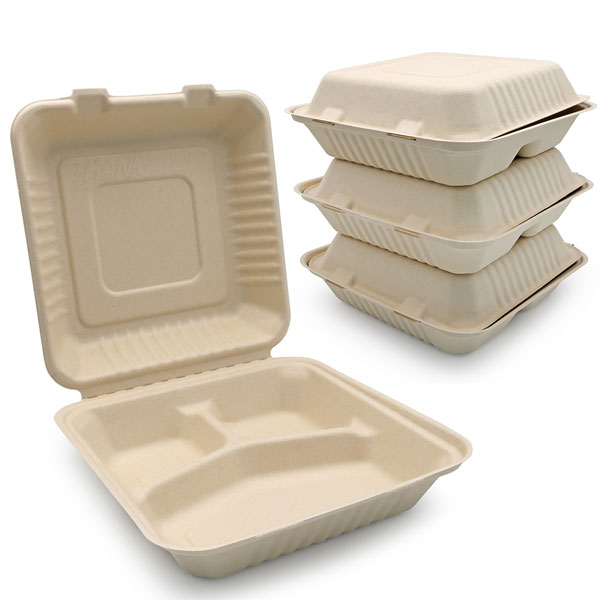
Sugarcane bagasse, the fibrous byproduct left after sugar extraction, has emerged as a revolutionary material for sustainable packaging. This agricultural waste product offers exceptional thermal insulation properties while being completely biodegradable and compostable. The same material that powers innovative compostable plates and utensils now provides a breakthrough solution for cold chain packaging.
Our comprehensive laboratory testing reveals impressive results for sugarcane bagasse insulated containers under extreme cold conditions:
• Temperature Retention: Maintained internal temperature within 2°C of target (-18°C) for 48 hours in controlled testing environments
• Structural Integrity: Containers remained fully functional after repeated freezing and thawing cycles
• Moisture Resistance: Natural wax coating provided effective moisture barrier without synthetic chemicals
• Food Safety: All materials met FDA and EU food contact standards
When compared to traditional insulated packaging solutions, sugarcane bagasse containers demonstrate several key advantages:
• Thermal Performance: Comparable to EPS foam with 20% better moisture management
• Environmental Impact: 100% compostable vs non-recyclable plastic alternatives
• Weight Efficiency: 15% lighter than equivalent plastic containers
• Stackability: Superior structural stability during transportation
While initial material costs for sugarcane bagasse containers may appear higher than traditional options, the complete cost analysis reveals significant long-term savings:
• Waste Disposal Costs: Eliminate landfill fees associated with non-recyclable packaging
• Regulatory Compliance: Avoid potential fines and penalties for non-sustainable packaging
• Brand Value: Enhanced customer perception and loyalty from sustainable practices
• Supply Chain Efficiency: Reduced storage space requirements due to flat-pack design
The true power of sugarcane bagasse packaging emerges when integrated with complementary sustainable products. By combining insulated containers with compostable plates, cutlery, and food service items, supermarkets can create a complete circular packaging ecosystem. This holistic approach addresses multiple touchpoints in the food service and retail experience while maximizing environmental benefits.
Transitioning to sugarcane bagasse insulated containers requires careful planning and execution:
1. Pilot Program: Start with specific product categories or store locations
2. Supplier Integration: Work with packaging partners who understand both performance requirements and sustainability goals
3. Staff Training: Educate employees on proper handling and disposal procedures
4. Customer Communication: Highlight environmental benefits through in-store signage and marketing materials
5. Performance Monitoring: Track temperature control, cost savings, and customer feedback
As environmental regulations tighten and consumer preferences evolve, sugarcane bagasse insulated containers represent more than just an alternative packaging solution—they signify a fundamental shift toward circular economy principles in the food industry. The same innovative thinking that brought us high-quality compostable plates now delivers reliable cold chain protection without compromising environmental values.
Forward-thinking supermarkets that adopt these sustainable packaging solutions position themselves as industry leaders while addressing critical environmental challenges. The combination of proven performance at -18°C, comprehensive cost benefits, and seamless integration with other sustainable products like compostable tableware creates a compelling business case for immediate adoption.
Ready to transform your cold chain packaging strategy? Contact our sustainable packaging specialists to discuss how sugarcane bagasse insulated containers can revolutionize your operations while supporting your environmental commitments.