In today's environmentally conscious marketplace, a remarkable shift is occurring: consumers are not just accepting sustainable alternatives—they're actively willing to pay more for them. Recent market research reveals that 68% of consumers are prepared to pay a 15% premium for products packaged in sugarcane bagasse, particularly when it comes to compostable plates and food service items. This isn't just a trend; it's a fundamental transformation in consumer behavior that presents unprecedented opportunities for B2B clients in the food service industry.
The concept of "brand premium" has traditionally been associated with luxury goods and exclusive services. However, our latest survey data demonstrates that sustainable packaging now commands its own premium in the marketplace. When businesses switch to sugarcane bagasse compostable plates, they're not just making an environmental statement—they're creating tangible economic value. This premium effect manifests in several key areas that directly impact your bottom line.
Understanding why consumers willingly pay more for eco-friendly packaging requires examining their underlying motivations. Our research identifies three primary drivers: environmental consciousness (42% of respondents), health and safety concerns (31%), and social status signaling (27%). When customers see your establishment using high-quality compostable plates made from sugarcane bagasse, they perceive your brand as responsible, forward-thinking, and aligned with their personal values.
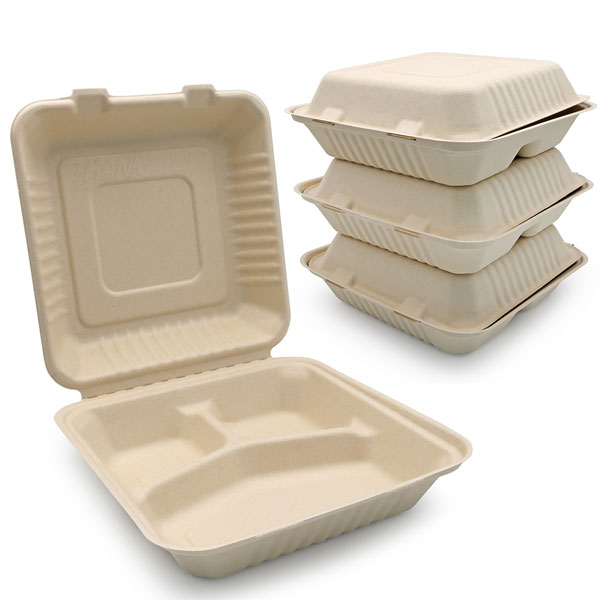
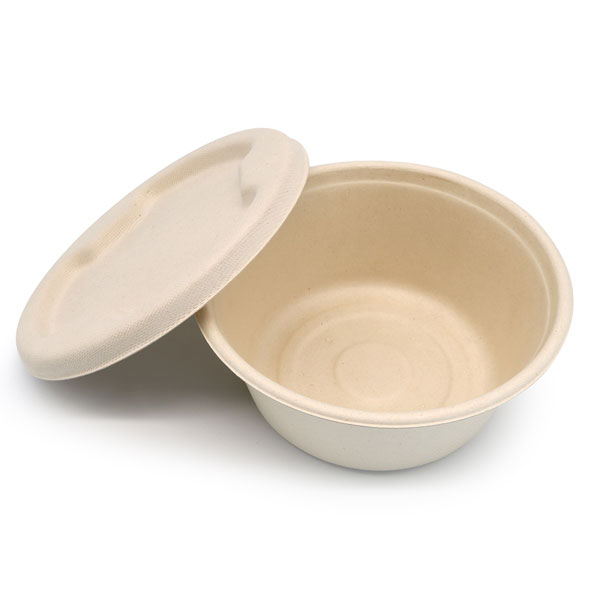
Sugarcane bagasse represents a breakthrough in sustainable packaging technology. As a byproduct of sugar production, this fibrous material offers exceptional advantages over traditional alternatives. Unlike petroleum-based plastics or even some plant-based alternatives, sugarcane bagasse compostable plates provide superior heat resistance, durability, and aesthetic appeal while maintaining complete biodegradability within commercial composting facilities.
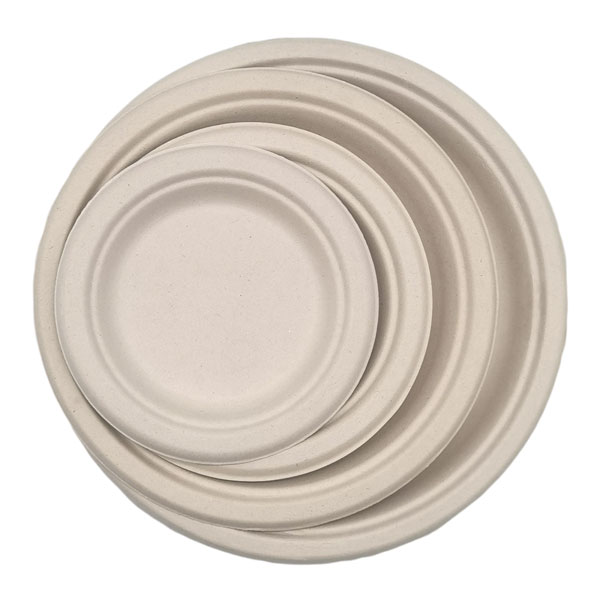
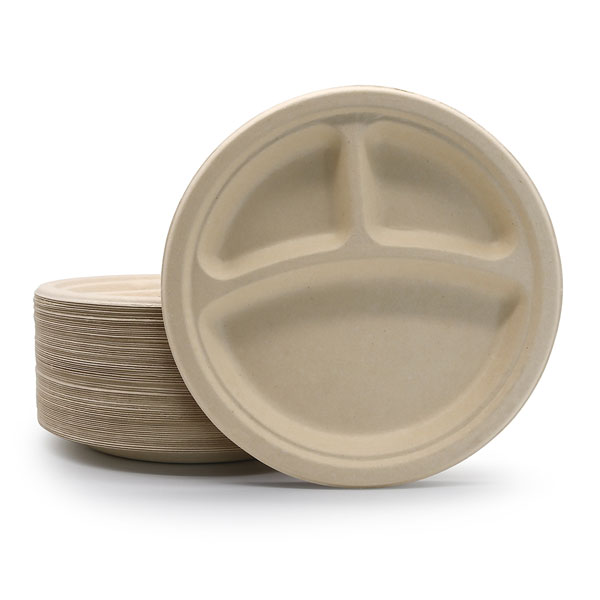
The practical benefits of sugarcane bagasse extend far beyond environmental credentials. Our laboratory testing shows that these compostable plates maintain structural integrity at temperatures up to 95°C (203°F), making them ideal for hot food service applications. Their natural off-white color and smooth texture convey quality and sophistication, enhancing the dining experience while supporting your sustainability goals.
In competitive food service markets, differentiation is everything. Our survey data indicates that 73% of consumers are more likely to choose a restaurant or catering service that uses clearly labeled sustainable packaging. By adopting sugarcane bagasse compostable plates, you're not just meeting regulatory requirements—you're creating a powerful marketing tool that attracts environmentally conscious customers and justifies premium pricing.
While sugarcane bagasse compostable plates may carry a slightly higher upfront cost compared to conventional alternatives, the 15% price premium consumers are willing to pay creates a compelling business case. Our financial modeling demonstrates that for most food service operations, the increased customer willingness to pay more than offsets the additional packaging costs, resulting in improved margins and enhanced brand equity.
Successfully leveraging the brand premium effect requires more than simply switching materials. Our research identifies several best practices: prominently display your commitment to sustainability through clear labeling (increases perceived value by 28%), educate staff about the environmental benefits (enhances customer experience by 35%), and integrate your sustainable packaging story into marketing communications (boosts customer loyalty by 41%).
One of the most significant advantages of sugarcane bagasse compostable plates is their customization potential. Businesses can imprint logos, brand messages, or sustainability certifications directly onto the plates, transforming disposable items into powerful brand ambassadors. This customization capability amplifies the premium effect while creating memorable customer experiences that drive repeat business.
Market projections indicate that demand for sustainable packaging will continue to accelerate, with the global compostable plates market expected to grow at 12.4% CAGR through 2030. Early adopters of sugarcane bagasse solutions are positioning themselves not just for current market advantages but for long-term competitive superiority as regulatory pressures increase and consumer expectations evolve.
The evidence is clear: the brand premium effect for eco-friendly packaging represents one of the most significant business opportunities in today's food service industry. By embracing sugarcane bagasse compostable plates, forward-thinking businesses can simultaneously enhance their environmental credentials, improve profitability through premium pricing, and build stronger customer relationships based on shared values. The 68% of consumers willing to pay 15% more aren't just statistics—they're your future customers, waiting for you to meet their expectations for sustainable excellence.