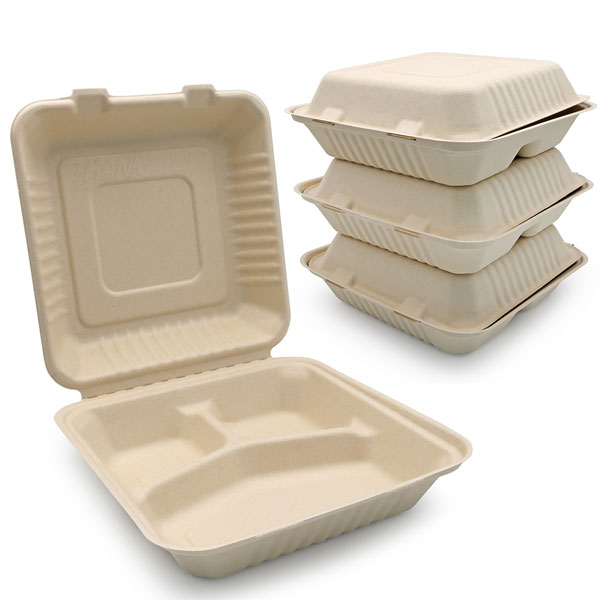
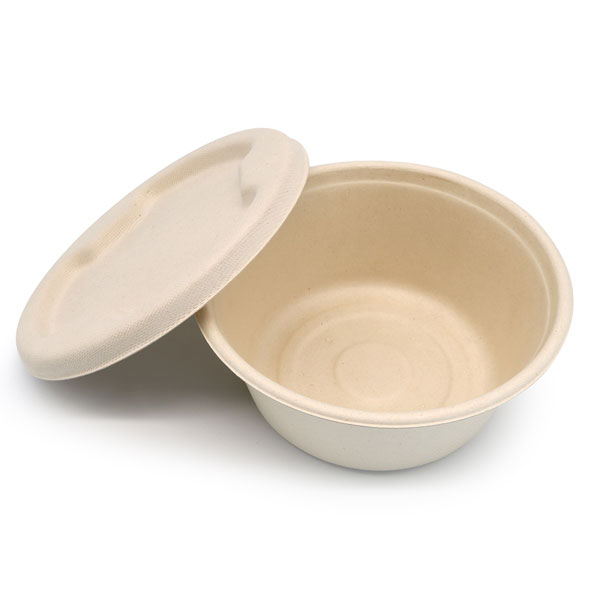
In today's environmentally conscious marketplace, businesses face increasing pressure to adopt sustainable practices while maintaining operational efficiency. One major restaurant chain recently demonstrated how strategic packaging upgrades can deliver both environmental and commercial benefits, achieving remarkable results with sugarcane bagasse compostable plates.
The restaurant industry generates substantial plastic waste through disposable packaging, creating both environmental concerns and business challenges. For this particular chain with over 200 locations nationwide, the monthly plastic consumption had become unsustainable from both ecological and brand perspective viewpoints.
Customers increasingly demanded eco-friendly alternatives, while regulatory pressures mounted regarding single-use plastics. The chain's leadership recognized that continuing with conventional plastic packaging risked damaging their brand reputation and alienating environmentally conscious consumers.
After extensive research and testing, the restaurant chain selected sugarcane bagasse as their primary material for compostable plates. This agricultural byproduct, derived from sugarcane processing, offers several compelling advantages:
Sugarcane bagasse compostable plates are fully biodegradable and compostable, breaking down naturally within 90 days in commercial composting facilities. Unlike traditional plastics that persist for centuries, these plates return to the earth as nutrient-rich compost.
The compostable plates demonstrated excellent durability, heat resistance, and moisture resistance comparable to traditional plastic alternatives. They maintained structural integrity even with hot, saucy dishes and proved suitable for both dine-in and takeaway applications.
While initial costs were slightly higher than conventional plastics, the long-term benefits including reduced waste disposal fees, enhanced brand value, and customer loyalty improvements created a compelling return on investment.
The restaurant chain implemented a phased rollout strategy, beginning with pilot locations to test customer acceptance and operational integration. Key implementation steps included:
1. Staff training on proper handling and disposal of compostable plates
2. Customer education through in-store signage and digital communications
3. Partnership with local composting facilities to ensure proper end-of-life processing
4. Supplier collaboration to ensure consistent quality and reliable supply chain
The transition to sugarcane bagasse compostable plates yielded impressive environmental and business outcomes:
Environmental Impact: The chain eliminated approximately 3.2 tons of plastic waste monthly across all locations. Annually, this represents over 38 tons of plastic diverted from landfills and oceans.
Customer Response: Customer satisfaction scores increased by 18% specifically regarding environmental initiatives. Social media mentions highlighting their sustainable packaging grew by 42%.
Operational Benefits: Waste disposal costs decreased by 15% due to reduced volume and favorable composting rates. Staff morale improved as employees expressed pride in working for an environmentally responsible company.
Brand Enhancement: The chain received positive media coverage and industry recognition for their sustainability leadership, strengthening their competitive position in the market.
This case study demonstrates that compostable plates represent more than just an environmental choice—they're a strategic business decision. For B2B clients considering similar transitions, several key insights emerge:
1. Consumer Expectations Are Changing: Modern consumers increasingly prefer businesses that demonstrate environmental responsibility.
2. Regulatory Compliance: Many regions are implementing plastic bans and extended producer responsibility regulations.
3. Competitive Differentiation: Sustainable packaging can serve as a powerful differentiator in crowded markets.
4. Cost-Benefit Analysis: While initial investments may be higher, long-term benefits often outweigh these costs through waste reduction and brand enhancement.
Every business has unique packaging requirements based on menu items, service models, and brand identity. Custom compostable plates can be tailored to specific needs including:
- Size and shape variations for different dish types
- Branded printing and custom designs
- Specialized coatings for specific food applications
- Composting certification compliance for local regulations
The success story of this restaurant chain proves that transitioning to sustainable packaging is both feasible and beneficial. With proper planning and the right compostable plates solution, businesses can reduce their environmental footprint while enhancing their brand reputation and customer relationships.
Ready to explore how custom compostable plates can transform your packaging strategy? Contact our sustainability experts to discuss your specific requirements and develop a tailored transition plan that delivers both environmental and business benefits.