The world is at a critical turning point in the fight against plastic pollution. With over 130 countries implementing some form of plastic ban legislation, businesses face both unprecedented challenges and remarkable opportunities. As governments worldwide accelerate their plastic reduction policies, the sustainable packaging market is poised to reach an astonishing $42 billion valuation by 2025. This seismic shift isn't just about environmental responsibility—it's about economic transformation.
From the European Union's Single-Use Plastics Directive to California's ambitious plastic reduction laws, regulatory frameworks are reshaping the packaging industry. The United Nations Environment Programme reports that plastic bans and restrictions now cover approximately 60% of the global population. For businesses in the food service industry, this means traditional plastic plates, cutlery, and packaging are becoming increasingly obsolete—and in many regions, illegal.
The compliance deadline isn't approaching; it's already here. Forward-thinking businesses are recognizing that sustainable packaging isn't just an ethical choice but a strategic necessity. Those who adapt quickly will capture market share, while laggards risk regulatory penalties and consumer backlash.
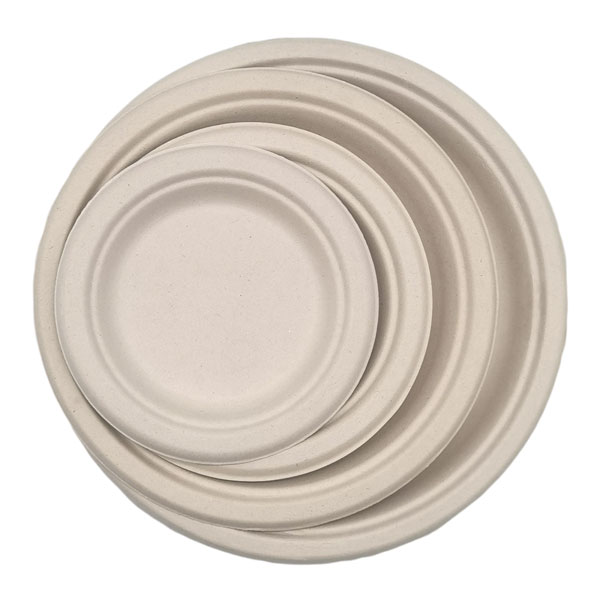
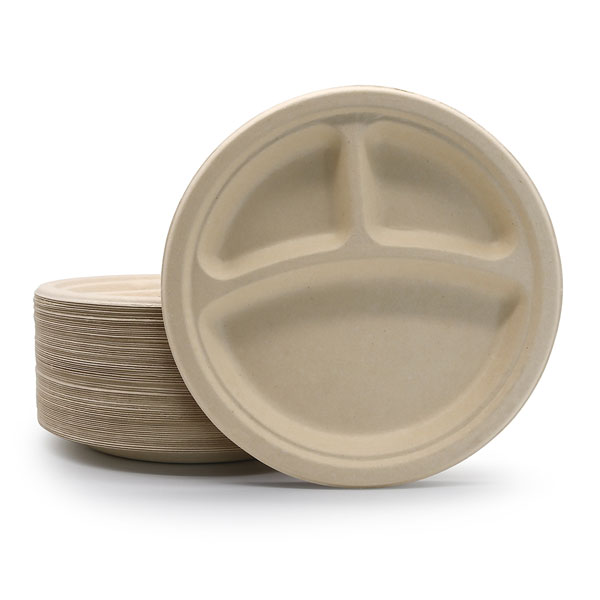
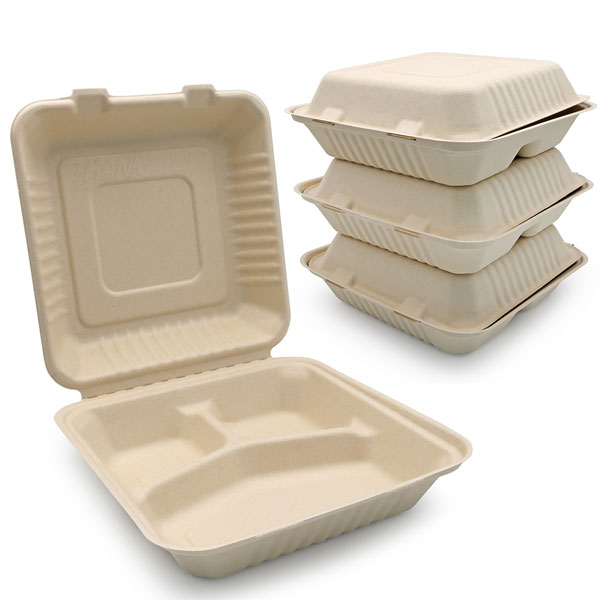
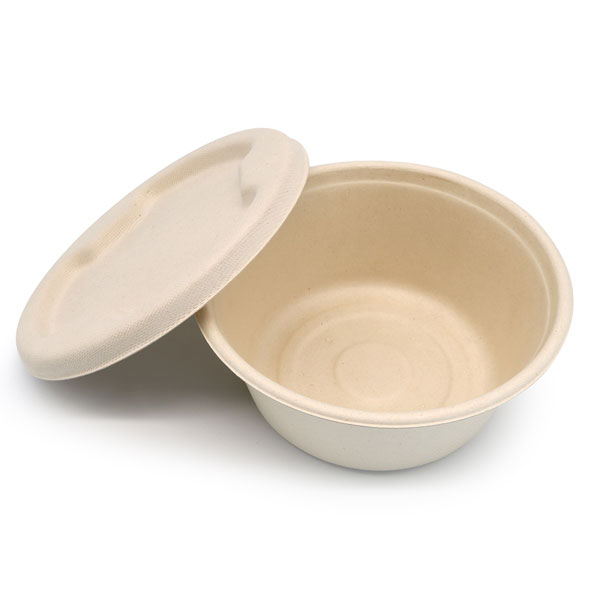
The projected $42 billion sustainable packaging market represents more than just numbers—it signifies a fundamental shift in consumer behavior and business practices. Within this expanding market, compostable plates made from sugarcane bagasse are emerging as the preferred solution for several compelling reasons:
Unlike early biodegradable alternatives, modern compostable plates offer the durability and functionality businesses demand. They withstand hot foods, resist leakage, and maintain structural integrity—all while decomposing completely within 90 days in commercial composting facilities.
As production scales up and technology advances, the price gap between traditional plastics and compostable alternatives continues to narrow. Many businesses find that the total cost of ownership, including potential regulatory fines avoided and customer loyalty gained, makes compostable plates a financially sound investment.
In an era where 73% of consumers prefer to purchase from environmentally responsible brands, using compostable plates becomes a powerful marketing tool. Each plate serves as a tangible demonstration of corporate sustainability commitments.
Sugarcane bagasse—the fibrous residue left after juice extraction—represents a breakthrough in sustainable materials. This agricultural byproduct, previously considered waste, now provides the foundation for high-performance compostable plates with exceptional environmental credentials:
Carbon Negative Footprint: Sugarcane absorbs more CO2 during growth than is emitted during bagasse plate production and decomposition.
Resource Efficiency: Utilizing agricultural waste reduces pressure on forests and minimizes the environmental impact compared to wood-based alternatives.
Rapid Renewability: Sugarcane grows quickly, with harvest cycles of 9-24 months, ensuring sustainable supply chains.
Certification Ready: Bagasse-based compostable plates easily meet international standards including ASTM D6400, EN 13432, and BPI certification.
We're currently in what industry analysts call the "policy dividend period"—a window where early adopters of sustainable packaging gain significant advantages:
Many jurisdictions offer tax breaks, grants, or preferential treatment to businesses transitioning to sustainable packaging ahead of regulatory deadlines.
As demand surges, establishing relationships with reliable compostable plate suppliers now ensures priority access and stable pricing.
Businesses that implement compostable solutions today position themselves as industry leaders, attracting environmentally conscious customers and partners.
For forward-thinking businesses, generic compostable plates are just the beginning. Custom-branded compostable plates offer unique opportunities:
Brand Reinforcement: Every meal served becomes a brand touchpoint, with custom logos and messaging reinforcing corporate identity.
Educational Platform: Custom plates can include information about composting processes or sustainability statistics, turning disposable items into educational tools.
Event Excellence: For catering businesses and event planners, custom compostable plates elevate the guest experience while demonstrating environmental stewardship.
Successful adoption requires strategic planning:
1. Needs Assessment: Evaluate current plastic usage patterns and identify priority replacement items
2. Supplier Selection: Partner with experienced compostable plate manufacturers offering certification guarantees
3. Staff Training: Educate teams on proper handling, storage, and disposal procedures
4. Customer Communication: Develop messaging that highlights the sustainability transition
5. Performance Monitoring: Track cost, customer feedback, and environmental impact metrics
The convergence of regulatory pressure, consumer demand, and technological advancement has created a perfect storm of opportunity in the compostable plates market. Businesses that recognize this moment aren't just avoiding regulatory risk—they're positioning themselves for growth in the new sustainable economy.
The $42 billion market projection by 2025 represents more than a financial forecast; it's a roadmap for industry transformation. As plastic bans accelerate globally, compostable plates made from sugarcane bagasse offer businesses a practical, profitable path to compliance and competitive advantage.
The policy dividend period won't last forever. Early movers are already capturing market share, building brand loyalty, and future-proofing their operations. The question isn't whether to transition to compostable plates, but how quickly and strategically your business will make the move.
In this new era of sustainable business, compostable plates represent more than just tableware—they symbolize a commitment to innovation, responsibility, and forward-thinking leadership. The plates you choose today will shape your business's tomorrow.