In today's environmentally conscious market, chain restaurants face mounting pressure to adopt sustainable practices. Traditional plastic packaging is no longer just an environmental concern—it's becoming a business liability. As consumers increasingly demand eco-friendly options and governments implement stricter regulations, the transition to sustainable packaging has shifted from a "nice-to-have" to a "must-have" for forward-thinking restaurant chains.
Many restaurant operators underestimate the true cost of sticking with conventional plastic packaging. Beyond the obvious environmental impact, plastic creates significant business risks that can affect your bottom line and brand reputation.
Single-use plastics contribute to the global plastic pollution crisis, with millions of tons ending up in landfills and oceans each year. As a chain restaurant, your packaging choices have a multiplier effect—every location's daily usage adds up to substantial environmental impact. Customers are increasingly aware of this issue, and they're voting with their wallets.
Governments worldwide are implementing plastic bans and extended producer responsibility regulations. Cities like New York, Seattle, and London have already banned certain single-use plastics, with more jurisdictions following suit. Proactive transition to compostable plates and packaging protects your business from future compliance headaches and potential fines.
Modern diners, particularly millennials and Gen Z, prioritize sustainability when choosing where to eat. A recent survey shows that 73% of consumers are willing to pay more for sustainable packaging. By sticking with plastic, you risk alienating this growing demographic and damaging your brand's reputation.
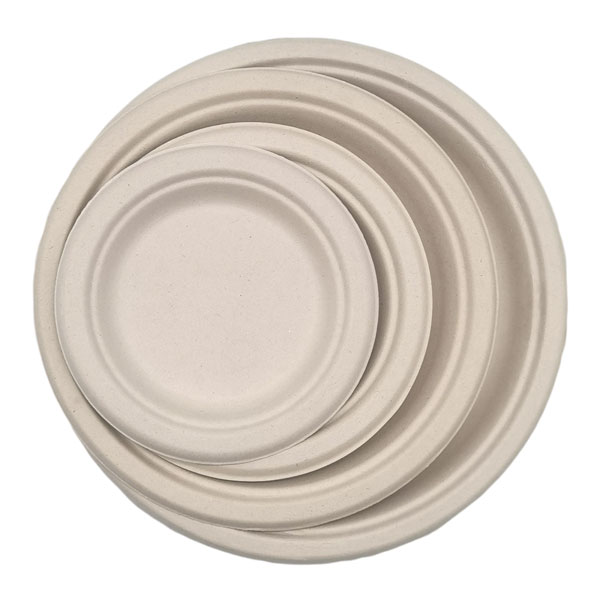
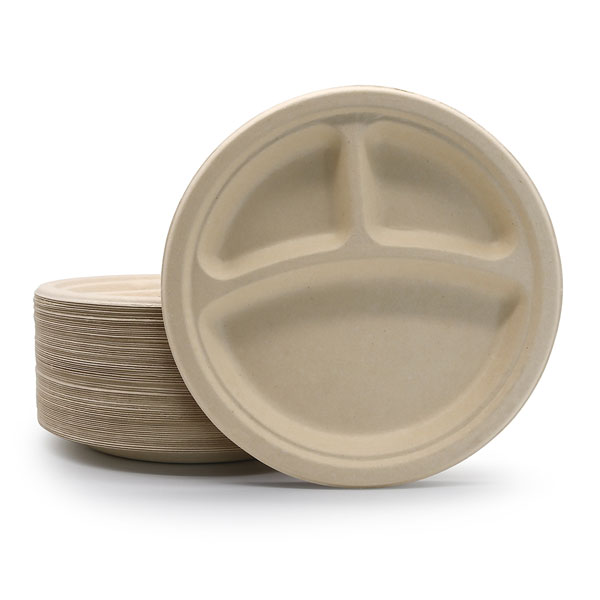
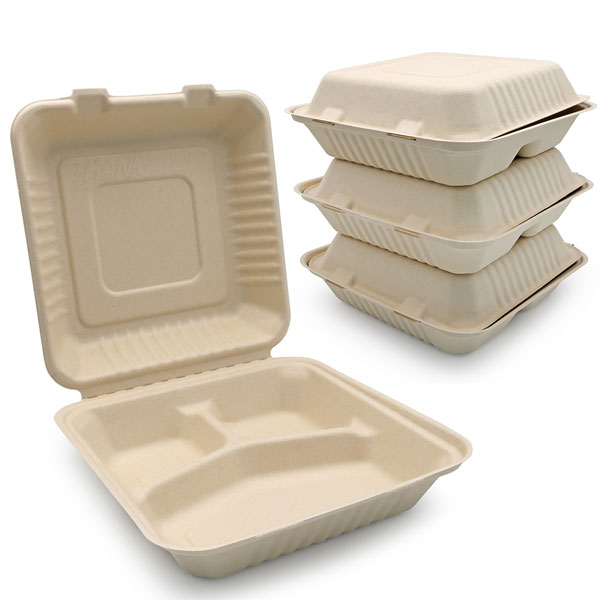
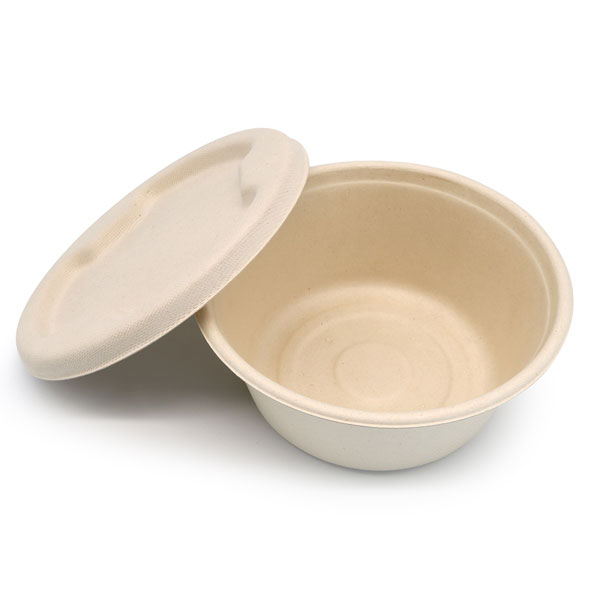
Sugarcane bagasse compostable plates represent the next generation of eco-friendly packaging. Made from the fibrous residue left after sugarcane juice extraction, these plates offer a perfect circular economy solution—turning agricultural waste into valuable, sustainable products.
Sugarcane bagasse is the dry pulpy residue left after crushing sugarcane stalks for juice extraction. Instead of burning this agricultural byproduct (which creates air pollution), innovative manufacturers transform it into durable, heat-resistant compostable plates that rival traditional plastic in performance.
The production of sugarcane bagasse compostable plates begins with collecting and cleaning the bagasse fibers. These fibers are then mixed with water and food-grade binders before being molded under heat and pressure into various plate shapes and sizes. The entire process uses minimal energy and creates zero toxic byproducts.
Unlike "biodegradable" plastics that may leave microplastics behind, genuine compostable plates made from sugarcane bagasse break down completely in industrial composting facilities within 60-90 days. They return valuable nutrients to the soil, creating a true closed-loop system that supports circular economy principles.
Transitioning to compostable plates offers multiple benefits beyond environmental stewardship. Here's why smart restaurant operators are making the switch:
Each compostable plate used instead of plastic reduces petroleum consumption, decreases landfill waste, and lowers carbon emissions. Sugarcane bagasse plates are carbon-neutral since the sugarcane plants absorb CO2 during growth, making them a climate-positive choice for environmentally responsible restaurants.
Using compostable plates provides powerful marketing material. You can highlight your sustainability commitment on menus, social media, and in-store signage. Many chains report increased customer loyalty and positive media coverage after switching to eco-friendly packaging solutions.
While compostable plates may have a slightly higher upfront cost than plastic, they offer significant long-term savings. Reduced waste disposal costs, potential tax incentives for sustainable businesses, and increased customer spending all contribute to a positive return on investment. Additionally, as production scales up, prices continue to become more competitive.
Successfully transitioning your chain restaurant from plastic to compostable plates requires careful planning and execution. Follow this proven 7-step path to ensure a smooth, successful implementation.
Begin by conducting a comprehensive audit of your current packaging usage. Document the types, quantities, and costs of all plastic plates and packaging across your locations. Identify pain points and opportunities for improvement. This baseline data will help you measure success and calculate ROI after implementation.
Research reputable suppliers of sugarcane bagasse compostable plates. Look for certifications like BPI (Biodegradable Products Institute) or OK Compost to ensure product quality. Request samples and conduct rigorous testing for heat resistance, leak prevention, and durability under real restaurant conditions.
Select 2-3 locations for a pilot program before rolling out chain-wide. This allows you to identify potential issues, gather employee and customer feedback, and refine your implementation strategy. Monitor waste reduction, customer reactions, and operational impacts during the pilot phase.
Your employees are crucial to successful implementation. Develop comprehensive training materials explaining why you're making the switch, how to handle compostable plates properly, and what to tell customers. Consider creating "green teams" at each location to champion the initiative and gather ongoing feedback.
Work with your chosen supplier to establish reliable delivery schedules and inventory management systems. Ensure you have adequate storage space for the slightly bulkier compostable plates. Develop contingency plans for supply chain disruptions to maintain operational continuity.
Turn your packaging transition into a marketing opportunity. Develop clear messaging explaining your switch to compostable plates. Use table tents, menu notes, social media campaigns, and press releases to communicate your environmental commitment. Consider adding QR codes to packaging that link to information about your sustainability efforts.
Regularly review your compostable plates program's performance. Track metrics like cost per unit, customer satisfaction, waste reduction, and brand sentiment. Gather feedback from staff and customers to identify areas for improvement. Stay informed about new developments in compostable packaging technology to ensure you're using the best available solutions.
Real-world examples demonstrate the tangible benefits of transitioning to compostable plates. These success stories provide inspiration and practical insights for your own implementation.
A 50-location fast-casual restaurant chain in California successfully transitioned to sugarcane bagasse compostable plates across all locations. Within six months, they reported a 35% reduction in waste disposal costs, a 15% increase in customer satisfaction scores, and significant positive media coverage. Their social media engagement increased by 40% after launching their "Go Green" campaign highlighting the switch.
A premium restaurant group with 12 fine-dining establishments phased in compostable plates for their takeaway and catering operations. They worked with a custom manufacturer to create branded compostable plates that matched their aesthetic. The initiative not only reduced their environmental footprint but also attracted new corporate clients specifically seeking sustainable catering options, resulting in a 25% increase in catering revenue.
The journey from traditional plastic to sugarcane bagasse compostable plates represents more than just a packaging change—it's a strategic business decision that positions your chain restaurant for long-term success in an increasingly sustainability-focused market.
Don't let analysis paralysis prevent progress. Start with a simple supplier evaluation or pilot program at one location. The environmental and business benefits of compostable plates are too significant to ignore, and early adopters gain competitive advantages in their markets.
If you need assistance developing your transition strategy or selecting the right compostable plates for your operations, our team of eco-packaging specialists is ready to help. We offer customized solutions tailored to chain restaurants of all sizes, ensuring your transition is smooth, cost-effective, and successful.
Ready to revolutionize your restaurant's packaging? Contact us today for a complimentary consultation and discover how compostable plates can transform your environmental impact and business performance simultaneously.