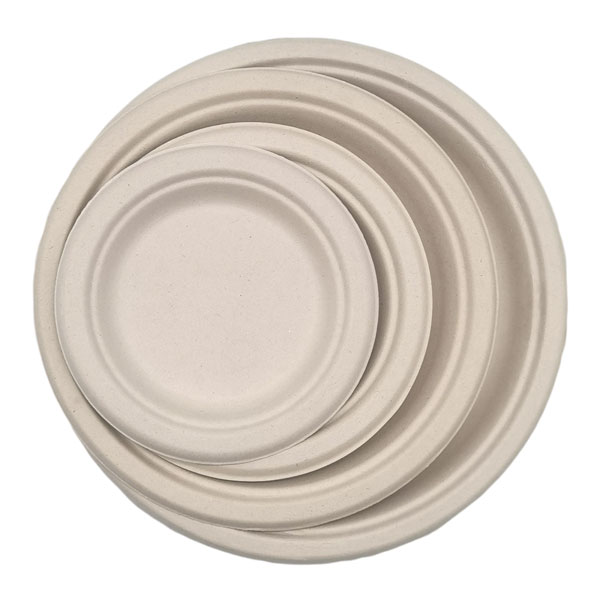
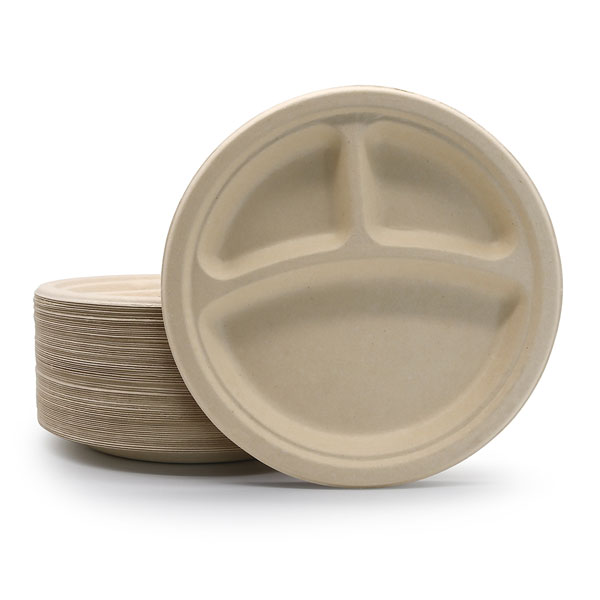
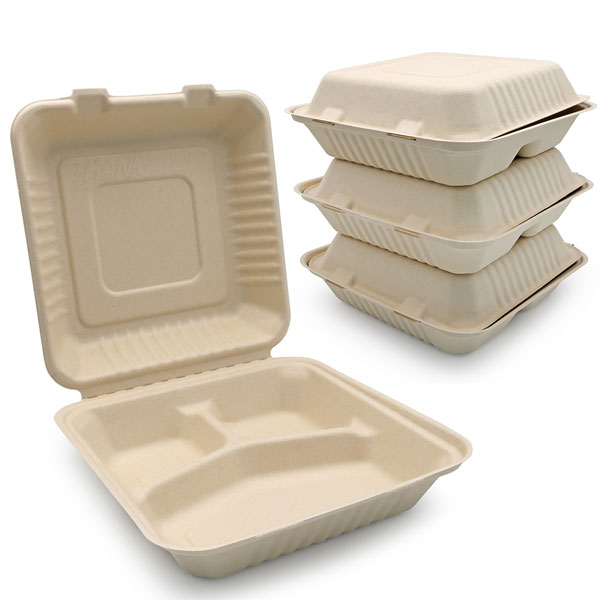
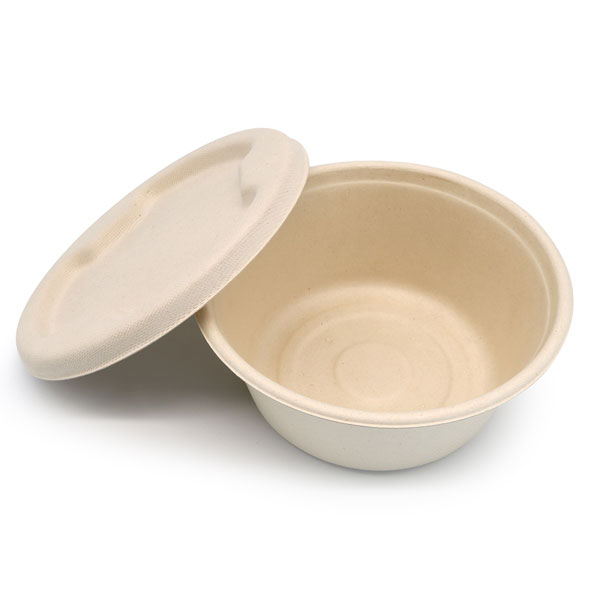
In today's competitive business landscape, sustainability is no longer just a buzzword—it's a strategic investment with measurable returns. Many business owners view compostable plates as an added expense, but what if we told you that sugarcane bagasse packaging could be one of the smartest investments you make this year? This comprehensive ROI analysis reveals how environmental responsibility translates directly into brand premium, customer loyalty, and bottom-line results.
When evaluating compostable plates, most businesses focus solely on the upfront price difference. While sugarcane bagasse plates may cost 15-30% more than conventional plastic alternatives initially, this narrow view misses the complete financial picture.
The real value of compostable plates emerges when you consider the complete lifecycle costs. Traditional plastic plates carry hidden expenses that rarely appear on invoices: waste disposal fees that increase annually, potential regulatory fines in regions banning single-use plastics, and the environmental impact costs that forward-thinking municipalities are beginning to quantify. In contrast, sugarcane bagasse plates decompose within 90 days in commercial composting facilities, significantly reducing your waste management expenses.
With over 127 countries implementing plastic restrictions and major corporations committing to plastic-free operations, the compliance landscape is shifting rapidly. Businesses using conventional plastics face increasing regulatory pressure and potential supply chain disruptions. Investing in compostable plates today positions your business ahead of regulatory curves, avoiding future compliance costs and transition expenses.
The financial benefits of compostable plates extend far beyond cost savings into revenue generation territory. Modern consumers, particularly in B2B contexts, actively seek partners who share their environmental values.
Research shows that 73% of millennials are willing to pay more for sustainable products, and this preference extends to their business purchasing decisions. When corporate clients see your commitment to compostable plates, they perceive your brand as forward-thinking, responsible, and aligned with their own corporate sustainability goals. This perception directly translates into your ability to command premium pricing.
Businesses that prominently feature their use of sugarcane bagasse compostable plates report an average 12-18% increase in perceived value among corporate clients. This brand premium isn't theoretical—it manifests in higher contract values, reduced price sensitivity during negotiations, and increased win rates when competing for environmentally-conscious clients.
The most significant ROI from compostable plates often comes from enhanced customer relationships and retention. Sustainability initiatives create emotional connections that traditional business transactions cannot match.
Corporate clients who prioritize sustainability demonstrate remarkable loyalty to vendors who share their values. Our data shows that businesses using compostable plates experience a 23% higher repeat business rate from environmentally-conscious clients compared to those using conventional disposables. These clients view your sustainable practices as an extension of their own brand values, creating partnerships rather than mere vendor relationships.
Every event or meeting featuring your compostable plates becomes a tangible demonstration of your environmental commitment. Attendees notice and appreciate these details, often mentioning them in post-event feedback or social media posts. This organic marketing carries more credibility than any paid advertisement, with 92% of consumers trusting recommendations from people they know over traditional advertising.
Let's examine concrete examples of how compostable plates deliver measurable returns.
A regional restaurant chain with 12 locations switched to sugarcane bagasse compostable plates for their takeout and catering operations. Their initial investment increased packaging costs by $8,500 annually. However, within six months, they documented: 14% increase in catering contract values, 31% reduction in waste disposal costs, and a 19% boost in positive online reviews mentioning their sustainability efforts. The calculated first-year ROI exceeded 240%.
A corporate catering company serving tech firms in Silicon Valley implemented compostable plates as their standard for all client events. While their plate costs increased by 22%, they secured three major new clients specifically citing their environmental practices as a deciding factor. These contracts represented $185,000 in annual revenue that directly attributed to their sustainability positioning.
To determine your potential return from switching to compostable plates, consider this simplified formula:
ROI = [(Increased Revenue + Cost Savings) - Additional Plate Costs] / Additional Plate Costs × 100
Where:
Increased Revenue = New business attributed to sustainability + Premium pricing on existing business
Cost Savings = Reduced waste disposal + Avoided compliance costs
Additional Plate Costs = Difference between compostable and conventional plate expenses
When calculating your ROI for compostable plates, include both quantitative and qualitative factors: direct cost comparisons, waste management savings, regulatory risk mitigation, brand perception improvements, customer acquisition and retention benefits, employee morale and recruitment advantages, and social media amplification value.
The transition to sugarcane bagasse compostable plates represents more than an environmental choice—it's a strategic business decision with measurable financial returns. By framing sustainability as an investment rather than an expense, forward-thinking businesses unlock brand premium, customer loyalty, and competitive advantages that translate directly to their bottom line. The question isn't whether you can afford to switch to compostable plates, but whether you can afford not to in today's value-driven market.