In today's competitive retail landscape, supermarket chains face a dual challenge: managing escalating packaging expenses while meeting growing consumer demand for environmental sustainability. Fresh Supermarket, a 150-store chain across the Midwest, found itself at this crossroads, spending over $2.3 million annually on traditional plastic and paper packaging for their prepared foods and bakery sections.
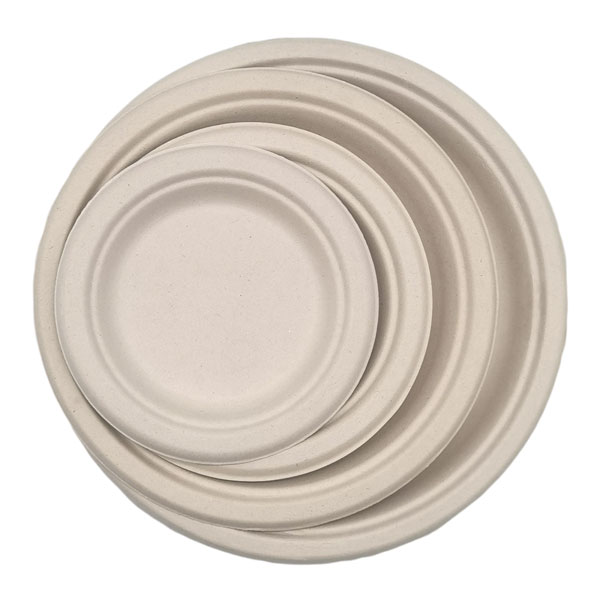
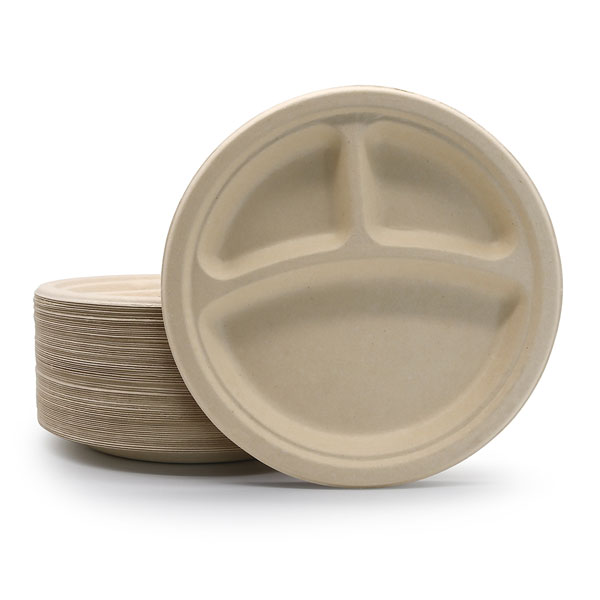
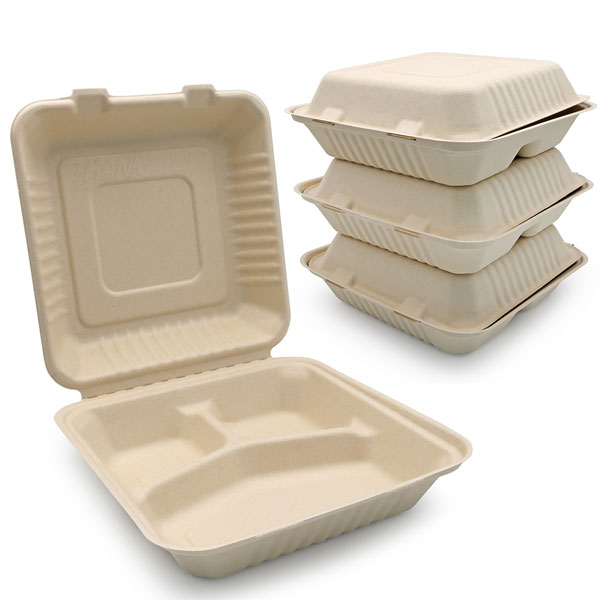
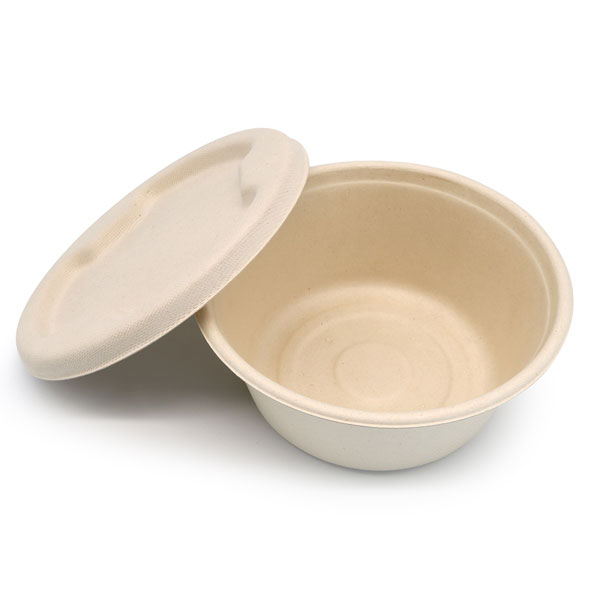
After extensive research into sustainable alternatives, Fresh Supermarket's leadership team discovered sugarcane bagasse compostable plates offered the perfect balance of functionality, cost-effectiveness, and environmental benefits. Unlike conventional options, these plates are made from agricultural waste—the fibrous residue left after sugarcane processing—transforming what would be discarded into valuable, eco-friendly packaging.
Fresh Supermarket adopted a three-phase implementation approach, starting with their highest-volume prepared food sections. The transition involved:
1. Supplier partnership with specialized compostable plates manufacturers offering custom designs
2. Staff training on proper handling and disposal procedures
3. Customer education campaigns highlighting the environmental benefits
4. Waste management system upgrades to accommodate compostable materials
The financial impact exceeded expectations. Here's how the 15% packaging cost reduction materialized:
Material Cost Savings: 12% reduction through bulk purchasing of sugarcane bagasse compostable plates
Waste Management Savings: 2% reduction in disposal fees as compostable materials diverted from landfills
Operational Efficiency: 1% savings from streamlined inventory management
"The initial investment in transitioning to compostable plates paid for itself within 18 months," reported Sarah Johnson, Fresh Supermarket's Sustainability Director. "Beyond the direct cost savings, we've seen measurable improvements in customer perception and brand loyalty."
The switch to sustainable packaging delivered impressive brand benefits:
Customer Perception: 87% of surveyed customers reported increased likelihood to shop at Fresh Supermarket due to their environmental initiatives
Social Media Engagement: 245% increase in positive mentions related to sustainability efforts
Employee Morale: 92% of staff expressed pride in working for an environmentally responsible company
Competitive Differentiation: Positioned as the region's most sustainable supermarket chain
What makes these compostable plates particularly suitable for supermarket applications?
Durability: Excellent heat resistance up to 220°F, perfect for hot prepared foods
Leak Resistance: Natural wax coating provides moisture resistance without chemicals
Microwave Safe: Suitable for customer reheating needs
Composting Timeline: Breaks down in 90-180 days in commercial composting facilities
Customization: Branding and messaging can be directly printed on plates
Fresh Supermarket addressed common concerns about switching to compostable plates:
Cost Perception: While unit costs were initially higher, total cost of ownership proved lower
Supply Chain Reliability: Established relationships with multiple suppliers ensured consistent availability
Customer Education: Clear signage and staff training helped customers understand proper disposal
Composting Infrastructure: Partnered with local composting facilities to create closed-loop systems
Beyond financial metrics, Fresh Supermarket's switch delivered significant environmental benefits:
Waste Reduction: Diverted 42 tons of plastic from landfills annually
Carbon Footprint: Reduced packaging-related emissions by 28%
Resource Conservation: Utilized agricultural waste that would otherwise be burned or discarded
Circular Economy Contribution: Created valuable compost for local agriculture
The Fresh Supermarket case demonstrates that sustainable packaging initiatives using compostable plates are scalable:
Volume Discounts: Larger orders yield better pricing through economies of scale
Standardized Processes: Implementation protocols can be replicated across locations
Supplier Partnerships: Established relationships facilitate expansion
Regulatory Alignment: Proactively addresses emerging packaging regulations
As consumer preferences and regulatory landscapes evolve, compostable plates represent more than just an environmental choice—they're a strategic business decision. Fresh Supermarket's experience shows that sustainability and profitability aren't mutually exclusive goals.
The chain has now expanded their sustainable packaging initiative to include additional sugarcane bagasse products and is exploring closed-loop composting partnerships with local farms, creating a truly circular system that benefits the business, customers, and environment.
1. Sustainable packaging using compostable plates can deliver significant cost savings
2. Brand enhancement from environmental initiatives provides competitive advantage
3. Implementation requires careful planning but offers strong ROI
4. Customer response to sustainability efforts is overwhelmingly positive
5. Early adoption positions companies as industry leaders
Ready to explore how compostable plates and other sustainable packaging solutions can transform your business? Contact our team of B2B packaging specialists for a customized cost-benefit analysis tailored to your specific operations and sustainability goals.