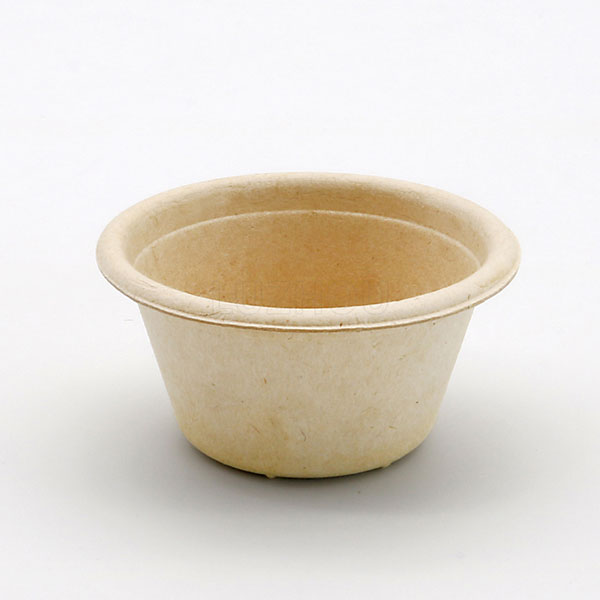
The eco-packaging landscape is undergoing a seismic shift in 2024, with one material emerging as the undisputed champion: sugarcane bagasse. Recent market analysis reveals that this agricultural byproduct now commands an impressive 30% share of the global biodegradable packaging market. For businesses seeking sustainable solutions, understanding this trend isn't just about environmental responsibility—it's about staying competitive in an increasingly eco-conscious marketplace.
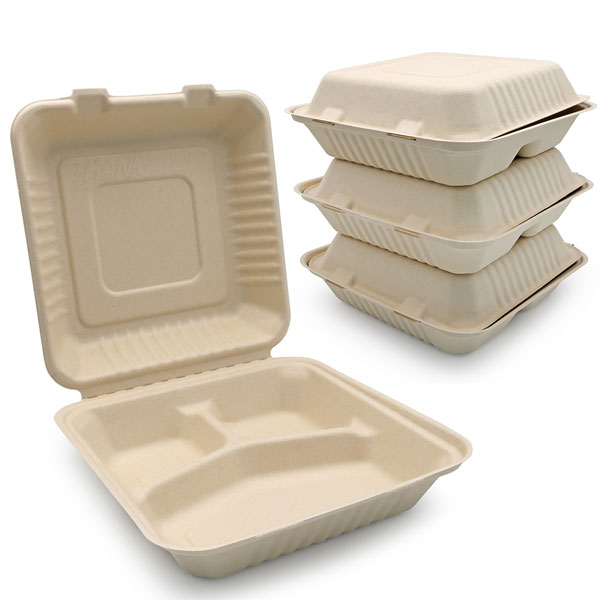
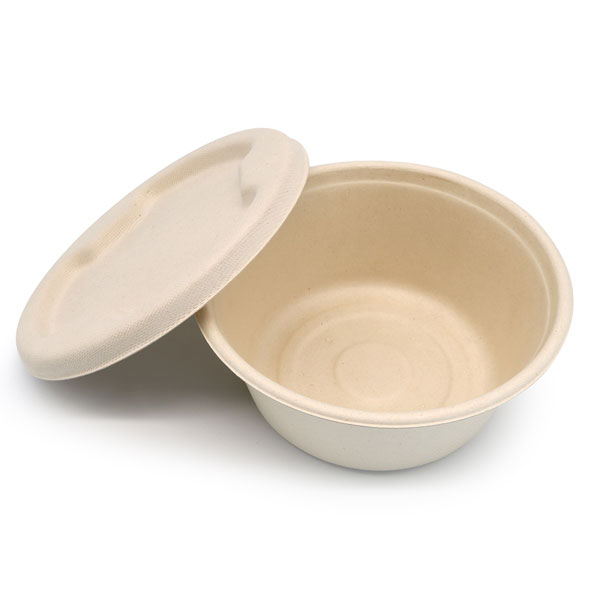
Sugarcane bagasse, the fibrous residue left after extracting juice from sugarcane, has transformed from agricultural waste into one of the most sought-after materials in sustainable packaging. This remarkable shift represents a perfect circular economy model where waste becomes valuable resource. The material's natural properties—including its durability, heat resistance, and complete biodegradability—make it ideal for food service applications, particularly for compostable plates and food containers.
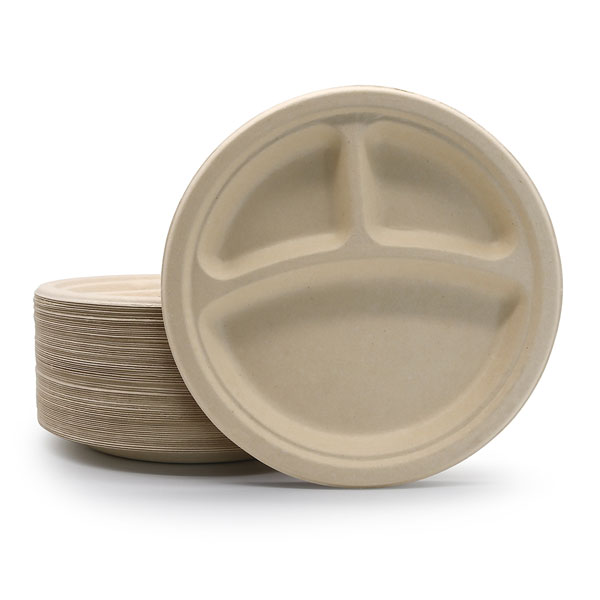
Businesses across the food service industry are rapidly adopting compostable plates made from sugarcane bagasse for several compelling reasons. First, these plates offer superior performance compared to traditional disposable options. They're microwave-safe, can handle hot and oily foods without leaking or becoming soggy, and maintain their structural integrity throughout use. Second, they address growing consumer demand for sustainable options—a recent survey shows 78% of consumers prefer restaurants that use eco-friendly packaging.
Sugarcane bagasse's 30% market share in biodegradable packaging isn't just a statistic—it's a clear signal of where the industry is heading. This growth is driven by multiple factors: increasing plastic bans worldwide, corporate sustainability commitments, and consumer awareness about environmental issues. For B2B clients in the food service industry, investing in compostable plates made from this material represents both an environmental commitment and a strategic business move.
One of the key reasons behind sugarcane bagasse's market dominance is its economic viability. Unlike some alternative materials that require expensive processing or have limited availability, sugarcane bagasse benefits from established agricultural infrastructure. Sugarcane is grown in over 90 countries, creating a stable and scalable supply chain. This translates to consistent pricing and reliable availability for businesses seeking compostable plates and other food service items.
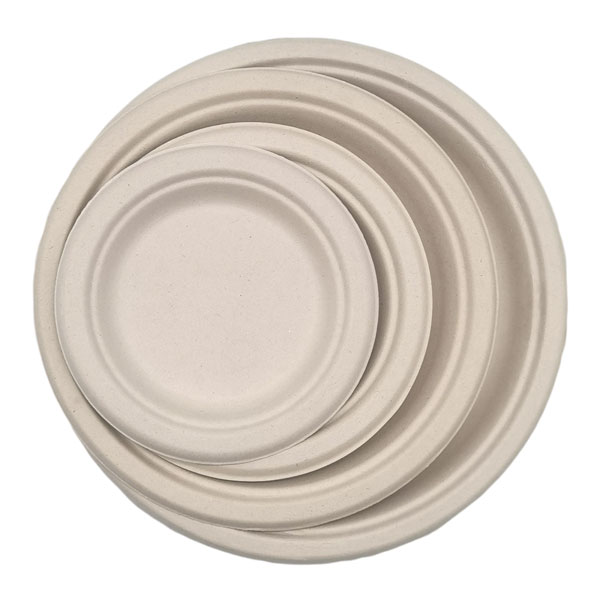
Modern manufacturing techniques allow for extensive customization of compostable plates made from sugarcane bagasse. Businesses can choose from various sizes, shapes, and thicknesses to meet specific needs. Branding opportunities include custom colors, embossed logos, and unique designs that align with corporate identity while maintaining environmental credentials. This customization capability makes sugarcane bagasse compostable plates particularly attractive for businesses looking to differentiate themselves in competitive markets.
As governments worldwide implement stricter regulations on single-use plastics, businesses that proactively adopt sustainable alternatives gain significant advantages. Compostable plates made from sugarcane bagasse typically meet or exceed international standards for biodegradability and compostability, including ASTM D6400 and EN 13432 certifications. By transitioning to these materials now, businesses can avoid future regulatory challenges and position themselves as industry leaders in sustainability.
The environmental benefits of sugarcane bagasse extend far beyond the compostability of the final product. The production process has a significantly lower carbon footprint compared to plastic manufacturing. Sugarcane plants themselves absorb carbon dioxide during growth, creating a carbon-negative cycle when the bagasse is used for packaging. Additionally, using this agricultural byproduct reduces waste that would otherwise be burned or sent to landfills, creating additional environmental benefits.
Businesses using compostable plates made from sugarcane bagasse report measurable improvements in customer perception and brand value. In today's market, sustainability isn't just a nice-to-have feature—it's becoming a fundamental expectation. Companies that demonstrate genuine environmental commitment through their choice of packaging materials often enjoy increased customer loyalty, positive media coverage, and enhanced brand reputation. This translates directly to improved customer retention and potentially higher pricing power.
Transitioning to sugarcane bagasse compostable plates requires careful planning but offers substantial rewards. Successful implementation involves assessing current packaging needs, identifying suitable product lines for initial adoption, and communicating the change effectively to customers and stakeholders. Many businesses find that starting with high-visibility applications—such as catering events, premium product lines, or flagship locations—creates maximum impact while allowing for process refinement.
As sugarcane bagasse continues to capture market share, innovation in this space shows no signs of slowing. Researchers are developing enhanced versions with improved moisture resistance, greater durability, and even faster composting times. For businesses considering compostable plates and other sustainable packaging solutions, staying informed about these developments ensures they can leverage the latest advancements to maintain competitive advantage.
The 30% market share captured by sugarcane bagasse materials in 2024 represents more than just a trend—it's a fundamental shift in how businesses approach packaging. Compostable plates made from this innovative material offer practical, cost-effective, and environmentally responsible solutions that meet both consumer expectations and business needs. As the eco-packaging revolution accelerates, businesses that embrace these materials today will be best positioned to thrive in tomorrow's sustainable economy.