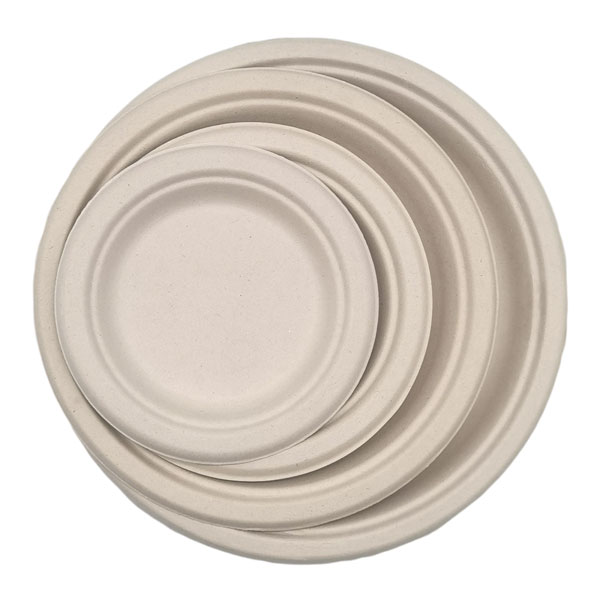
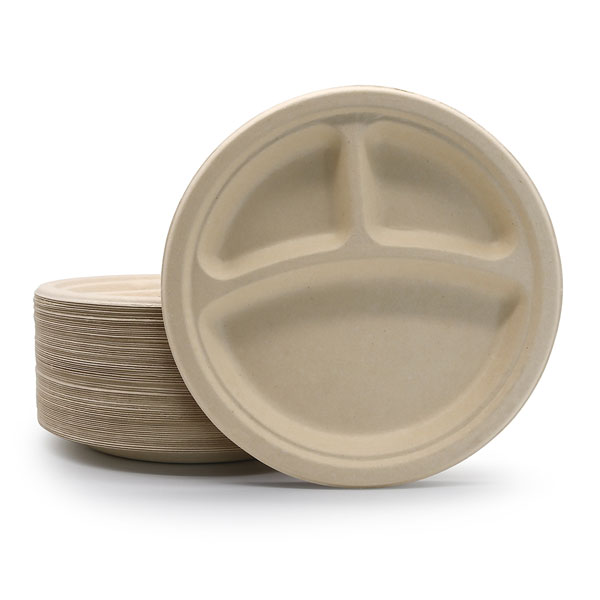
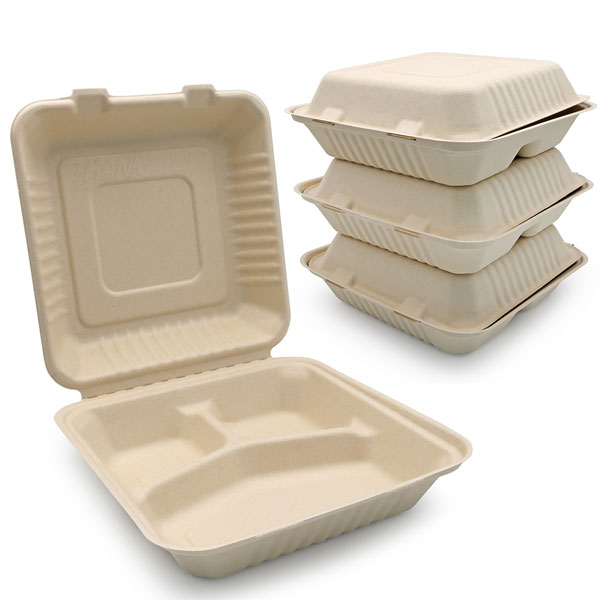
The global compostable packaging market is undergoing a seismic shift, projected to reach an astonishing $8.7 billion by 2025. This transformation isn't just about environmental consciousness—it's a fundamental business imperative driven by powerful policy changes and evolving consumer demands. At the forefront of this revolution are compostable plates, which represent one of the fastest-growing segments in sustainable food service packaging.
Recent market analysis reveals that the compostable packaging sector is expanding at a compound annual growth rate of 15.2%, with food service applications like compostable plates leading the charge. This growth trajectory reflects a fundamental shift in how businesses approach packaging—from a cost center to a strategic differentiator that appeals to environmentally conscious consumers and meets regulatory requirements.
Governments worldwide are implementing aggressive policies that directly impact packaging choices:
• European Union's Single-Use Plastics Directive banning specific plastic products by 2021
• California's SB 54 requiring all packaging to be recyclable or compostable by 2032
• Canada's plan to ban harmful single-use plastics
• Multiple US states implementing extended producer responsibility (EPR) laws
These policies create both challenges and opportunities for businesses. Companies that proactively adopt compostable plates and packaging solutions position themselves as industry leaders while avoiding potential compliance issues and penalties.
While environmental benefits are significant, the commercial advantages of switching to compostable plates are equally compelling:
Brand Differentiation: In a crowded marketplace, sustainable packaging serves as a powerful brand differentiator. Restaurants, catering services, and food businesses using compostable plates appeal to the growing demographic of environmentally conscious consumers willing to pay premium prices for sustainable options.
Cost Management: As traditional plastic faces increasing taxes and disposal fees, compostable plates offer predictable long-term cost structures. Many municipalities provide reduced waste management fees for compostable materials, creating direct financial benefits.
Supply Chain Resilience: Diversifying packaging materials reduces dependency on volatile petroleum-based plastics. Compostable plates made from renewable resources like sugarcane bagasse, bamboo, or palm leaf offer more stable supply chains.
The adoption of compostable plates spans multiple industries:
Food Service & Restaurants: Quick-service restaurants, cafes, and fine dining establishments are transitioning to compostable plates to meet customer expectations and regulatory requirements.
Catering & Events: Wedding planners, corporate event organizers, and festival producers increasingly demand compostable plates as part of their sustainability commitments.
Institutional Dining: Schools, hospitals, and corporate campuses are implementing compostable plates programs as part of broader sustainability initiatives.
Food Delivery & Takeout: The pandemic-driven surge in food delivery has accelerated the need for sustainable packaging solutions, with compostable plates becoming a preferred choice for environmentally conscious brands.
The evolution of compostable plates materials is driving market growth:
Sugarcane Bagasse: Made from sugarcane fiber, these compostable plates offer excellent durability, microwave safety, and compostability within 90 days.
Bamboo Fiber: Renewable bamboo creates sturdy, aesthetically pleasing compostable plates suitable for premium applications.
Palm Leaf: Naturally fallen palm leaves are transformed into elegant, biodegradable compostable plates without chemicals or additives.
PLA (Polylactic Acid): Plant-based plastics derived from corn starch offer clear, durable options for compostable plates with excellent barrier properties.
These material innovations address previous limitations of compostable products, offering performance comparable to traditional plastics while maintaining environmental benefits.
Transitioning to compostable plates requires careful planning:
Infrastructure Assessment: Evaluate local composting facilities and waste management systems to ensure proper disposal of compostable plates.
Supplier Partnerships: Develop relationships with reliable compostable plates manufacturers who can provide consistent quality and supply chain transparency.
Customer Education: Clearly communicate the benefits of compostable plates to customers through labeling, marketing materials, and staff training.
Performance Testing: Conduct thorough testing of compostable plates with your specific food items to ensure they meet functional requirements.
As the market approaches the $8.7 billion milestone by 2025, businesses that have already implemented compostable plates and packaging solutions enjoy significant advantages:
First-Mover Benefits: Early adopters establish themselves as sustainability leaders in their industries, building brand loyalty and customer trust.
Cost Advantages: As demand grows, prices for compostable plates continue to decrease, but early adopters often secure favorable pricing through long-term contracts.
Regulatory Preparedness: Businesses using compostable plates are already compliant with emerging regulations, avoiding last-minute transitions and potential disruptions.
Innovation Partnerships: Companies at the forefront of sustainable packaging often collaborate with material scientists and manufacturers to develop next-generation compostable plates solutions.
The $8.7 billion market projection represents just the beginning of the compostable packaging revolution. As technology advances and policy frameworks strengthen, compostable plates will become the standard rather than the exception. Forward-thinking businesses recognize that sustainable packaging isn't just an environmental consideration—it's a strategic business decision that impacts brand perception, regulatory compliance, and long-term profitability.
The transformation to compostable packaging, led by innovations in compostable plates technology, represents one of the most significant opportunities for businesses to align with global sustainability goals while driving growth and differentiation. As policies continue to evolve and consumer preferences shift toward environmentally responsible choices, the companies that embrace this transformation today will be best positioned to thrive in the sustainable economy of tomorrow.