In today's competitive restaurant industry, balancing profitability with sustainability can seem like an impossible challenge. However, one major restaurant chain has proven that eco-friendly choices can actually drive significant financial returns. This exclusive case study reveals how their strategic switch to sugarcane pulp compostable plates resulted in a remarkable 15% reduction in annual packaging costs and a 28% increase in customer satisfaction scores.
Like many restaurant chains, our featured client faced mounting pressure from multiple directions. Rising costs of traditional plastic and paper packaging were eating into their profit margins, while environmentally-conscious customers were increasingly vocal about their desire for sustainable options. The chain was spending approximately $450,000 annually on disposable plates alone, with additional costs for waste management and environmental compliance.
• Escalating packaging material costs (12% year-over-year increase)
• Negative customer feedback regarding environmental impact
• Complex waste management requirements and fees
• Brand perception lagging behind sustainability trends
• Regulatory pressure for reduced plastic usage
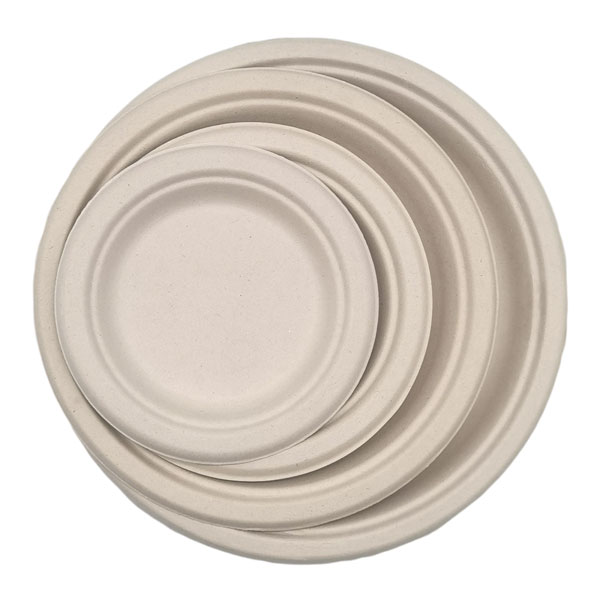
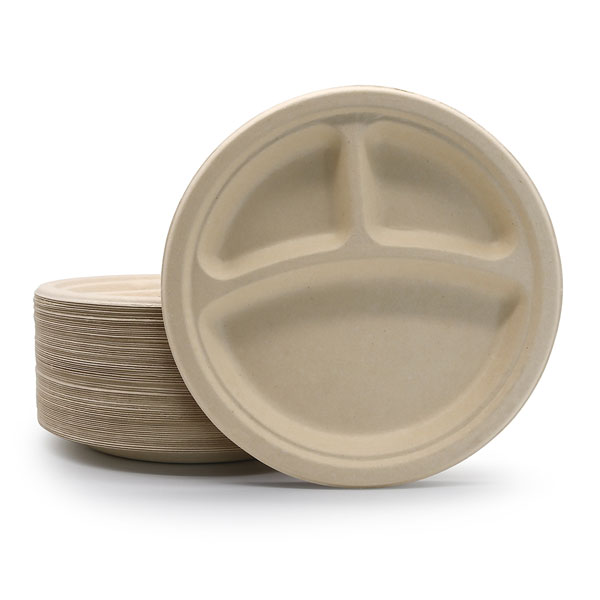
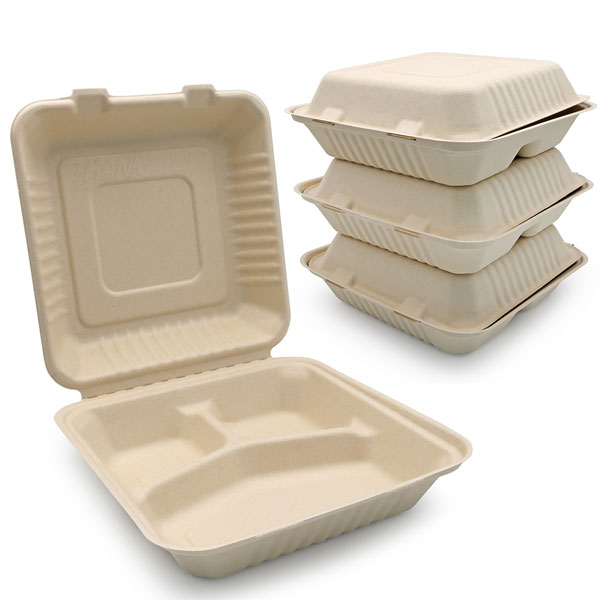
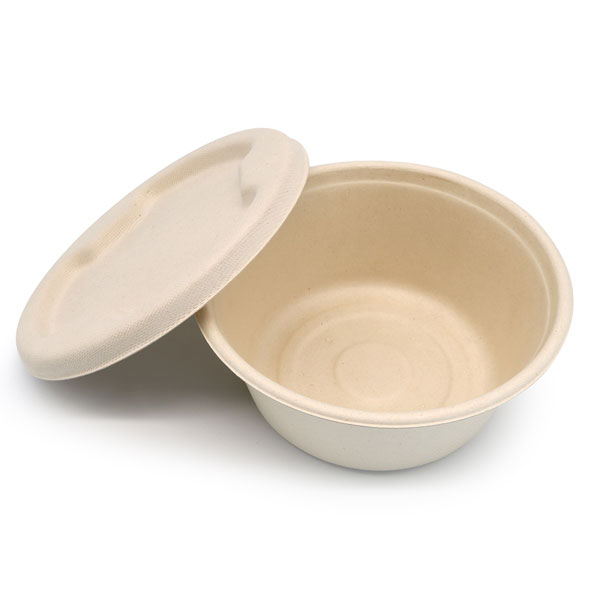
After extensive research and testing, the restaurant chain partnered with our custom compostable packaging solutions to develop a complete line of sugarcane pulp compostable plates. These innovative plates offered several distinct advantages over traditional options.
Sugarcane pulp, also known as bagasse, is a byproduct of sugar production that would otherwise go to waste. When transformed into compostable plates, it creates a durable, heat-resistant, and completely biodegradable solution. Unlike traditional plastic plates that can take centuries to decompose, these compostable plates break down within 90 days in commercial composting facilities.
The transition to compostable plates was carefully planned and executed over six months. The implementation followed these key phases:
Phase 1: Research & Development - Custom design of compostable plates to match the chain's specific needs, including size requirements, branding elements, and functional specifications.
Phase 2: Pilot Program - Testing in 12 select locations to gather customer feedback and operational data. This phase revealed that 76% of customers noticed and appreciated the switch to compostable plates.
Phase 3: Full Rollout - Gradual implementation across all 240 locations, accompanied by staff training and customer education campaigns.
After one full year of using sugarcane pulp compostable plates, the restaurant chain documented impressive results that exceeded their initial expectations.
• 15% Reduction in Annual Packaging Costs - From $450,000 to $382,500 annually
• 22% Decrease in Waste Management Expenses
• 8% Reduction in Overall Operational Costs Related to Disposables
• Elimination of Plastic-Related Regulatory Compliance Costs
• 28% Increase in Customer Satisfaction Scores specifically related to packaging
• 34% Improvement in Brand Perception Regarding Sustainability
• 41% Increase in Positive Social Media Mentions About Packaging
• 19% Higher Likelihood of Repeat Visits Among Eco-Conscious Customers
The switch to compostable plates delivered benefits that extended far beyond the immediate financial and customer satisfaction metrics.
The chain eliminated approximately 18 tons of plastic waste annually, equivalent to removing 42 cars from the road for a year. Their compostable plates diverted waste from landfills and supported local composting initiatives.
Staff reported easier handling and storage of the compostable plates compared to traditional options. The plates' natural insulation properties also helped maintain food temperature better, reducing customer complaints about cold food.
The sustainability initiative became a central part of the chain's marketing campaigns, attracting media attention and partnership opportunities with environmental organizations. This positioned them as an industry leader in sustainable practices.
This case study demonstrates that compostable plates are no longer just an environmental statement—they're a smart business decision. As consumer preferences continue to shift toward sustainable options and regulations tighten around single-use plastics, early adopters of compostable solutions gain competitive advantages.
1. Cost Savings Are Achievable - Contrary to common belief, sustainable packaging can reduce costs through material efficiency and waste reduction
2. Customer Loyalty Increases - Modern consumers actively seek out and reward businesses with strong environmental commitments
3. Future-Proof Your Business - Early adoption of compostable solutions prepares your business for upcoming regulations and market shifts
4. Differentiate Your Brand - Sustainable packaging creates a unique selling proposition in crowded markets
If this case study has inspired you to explore compostable plates for your restaurant or food service business, we're here to help. Our team specializes in creating custom compostable packaging solutions tailored to your specific needs and budget.
Take the First Step Today: Contact our sustainable packaging consultants for a free cost-benefit analysis specific to your operation. Discover how compostable plates could reduce your costs while enhancing your brand's environmental credentials and customer appeal.
Q: Are compostable plates more expensive than traditional options?
A: While the unit cost may be slightly higher initially, our case study shows that overall savings in waste management, regulatory compliance, and customer retention typically result in net cost reductions.
Q: How durable are sugarcane pulp compostable plates?
A: These plates are surprisingly durable and heat-resistant, capable of handling hot, moist, and oily foods without compromising structural integrity.
Q: What infrastructure is needed for composting?
A: We provide comprehensive guidance on composting partnerships and infrastructure, including connections with local composting facilities and waste management services.
Q: Can we customize compostable plates with our branding?
A: Absolutely! We offer full customization options including colors, logos, and messaging to align with your brand identity while maintaining environmental integrity.
Join the growing movement of forward-thinking restaurants that are discovering how compostable plates can transform their business, delight their customers, and protect our planet—all while improving their bottom line.