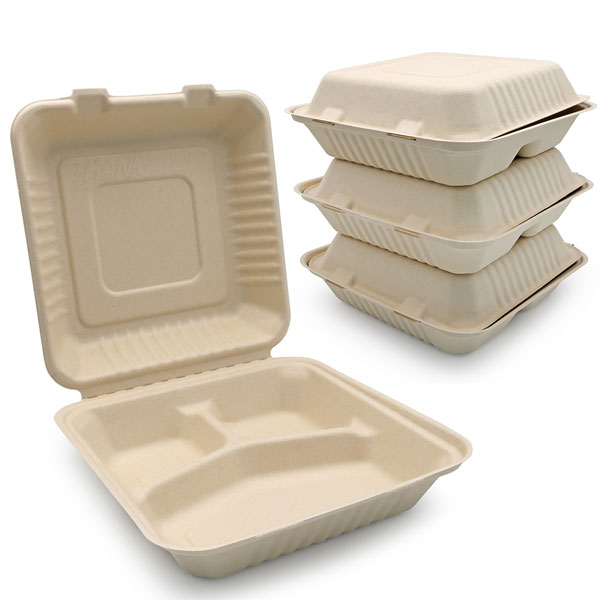
In today's environmentally conscious marketplace, chain restaurant enterprises face mounting pressure to address the plastic pollution crisis while maintaining operational efficiency. The transition to 'zero-plastic takeout' is no longer just an environmental ideal—it's becoming a business imperative that forward-thinking restaurant chains are embracing through innovative packaging solutions like sugarcane bagasse compostable plates.
Single-use plastic containers, cutlery, and packaging from takeout services contribute significantly to global plastic pollution. With consumers increasingly demanding sustainable options and governments implementing stricter regulations on single-use plastics, restaurant chains that fail to adapt risk losing market share and facing compliance challenges. The traditional plastic takeout model is becoming unsustainable both environmentally and economically.
Recent surveys show that 73% of consumers prefer restaurants that use eco-friendly packaging, and 62% are willing to pay more for sustainable takeout options. This shift in consumer behavior presents both a challenge and an opportunity for chain restaurants seeking to differentiate themselves in a competitive market.
Sugarcane bagasse—the fibrous byproduct left after extracting juice from sugarcane—offers an innovative solution for creating durable, functional, and completely compostable plates and containers. Unlike traditional plastic alternatives, these compostable plates break down naturally in commercial composting facilities within 60-90 days, returning valuable nutrients to the soil.
Implementing sugarcane bagasse compostable plates provides multiple advantages: significant reduction in plastic waste, improved brand perception among environmentally conscious consumers, compliance with emerging plastic regulations, and potential cost savings through waste management optimization. These compostable plates maintain the durability and functionality restaurants require while offering superior environmental credentials.
Successfully transitioning to compostable packaging requires a strategic approach. Restaurant chains should begin with a comprehensive audit of current packaging usage, followed by supplier evaluation for compostable plates, staff training on proper handling and disposal, customer education initiatives, and finally, implementation of a monitoring system to track environmental impact and cost savings.
Modern compostable plate manufacturers offer extensive customization options, allowing restaurant chains to brand their sustainable packaging with logos, messaging, and designs that reinforce their commitment to environmental responsibility. This transforms what was once generic packaging into a powerful marketing tool that communicates brand values at every customer touchpoint.
Several major restaurant chains have successfully implemented sugarcane bagasse compostable plates with impressive results. One international fast-casual chain reported a 45% reduction in plastic waste within six months of switching to compostable plates, while simultaneously experiencing a 12% increase in customer satisfaction scores related to sustainability initiatives.
While the transition to compostable plates presents clear benefits, restaurant chains may encounter challenges including initial cost considerations, supply chain adjustments, and customer education requirements. Successful implementations address these through phased rollouts, clear communication strategies, and partnerships with reliable compostable plate suppliers who understand the specific needs of food service operations.
The benefits of switching to compostable plates extend beyond environmental metrics. Restaurant chains should track customer feedback, brand perception improvements, operational efficiencies, and even employee satisfaction—many staff members report increased pride in working for companies that demonstrate environmental leadership through tangible actions like implementing compostable plates.
As technology advances and consumer expectations continue to evolve, compostable plates represent just the beginning of a broader transformation in food service packaging. Forward-thinking restaurant chains are already exploring additional innovations, from plant-based cutlery to completely compostable beverage containers, positioning themselves as leaders in the sustainable food service revolution.
The journey to zero-plastic takeout begins with a single step—replacing conventional plastic containers with sugarcane bagasse compostable plates. For chain restaurant enterprises ready to embrace this transformation, the rewards include not only environmental benefits but also enhanced brand reputation, customer loyalty, and competitive advantage in an increasingly sustainability-focused marketplace.