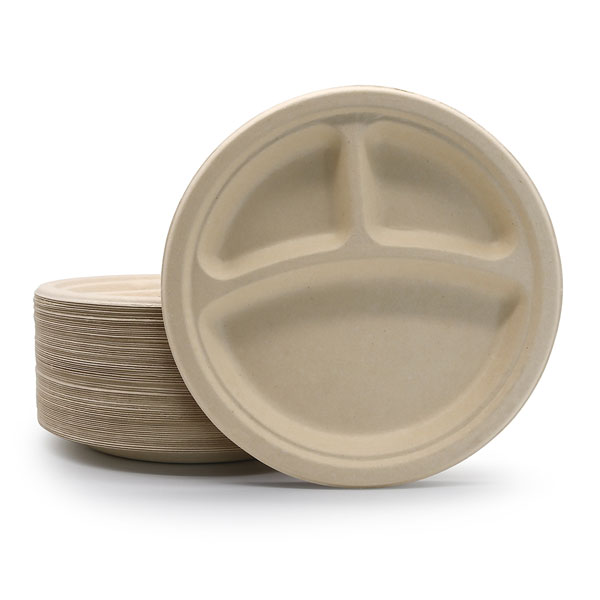
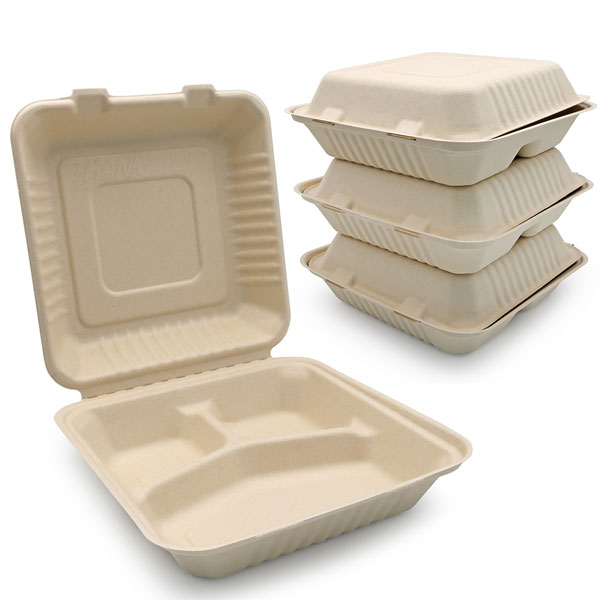
As a business owner in the food service industry, you've likely faced the dilemma: should you invest in more expensive compostable plates or stick with traditional disposable options? The upfront cost difference can be daunting, but what if we told you that choosing sugarcane bagasse packaging could actually boost your bottom line while future-proofing your business?
Traditional plastic and Styrofoam plates come with hidden costs that rarely appear on invoices. From environmental compliance fees to waste disposal surcharges, the true expense extends far beyond the purchase price. Municipalities worldwide are implementing plastic bans and waste reduction targets, creating regulatory pressure that will only intensify. By switching to compostable plates now, you're not just buying tableware—you're investing in regulatory compliance and operational stability.
Modern consumers, particularly millennials and Gen Z, actively seek out businesses that align with their values. Research shows that 73% of consumers are willing to pay more for sustainable products, and this preference extends to dining experiences. When customers see your establishment using compostable plates made from sugarcane bagasse, they perceive higher quality, care, and responsibility—factors that directly translate to brand premium and customer loyalty.
Let's break down the return on investment into measurable components:
1. Direct Financial Returns
While compostable plates may cost 15-30% more upfront, consider the savings: reduced waste disposal fees (compostable materials often qualify for lower rates), potential tax incentives for sustainable businesses, and avoidance of future plastic ban compliance costs. Many cities offer financial incentives for businesses reducing their environmental footprint.
2. Brand Equity and Customer Lifetime Value
Sustainable practices increase customer retention rates by an average of 18%. When patrons choose your establishment specifically for its environmental commitment, they become loyal advocates. This translates to higher customer lifetime value through repeat business and positive word-of-mouth marketing—the most valuable form of advertising.
3. Operational Efficiency and Risk Mitigation
Sugarcane bagasse plates offer practical advantages beyond sustainability. They're microwave-safe, cut-resistant, and suitable for both hot and cold foods. More importantly, you're securing your supply chain against future regulatory changes and potential plastic material shortages.
A growing trend among upscale restaurants involves using custom-branded compostable plates for takeout and delivery services. These establishments report:
- 22% increase in delivery orders after switching to sustainable packaging
- 35% higher social media engagement when featuring their eco-friendly practices
- Customer willingness to pay 12-18% premium for meals served in compostable packaging
- Significant reduction in negative reviews related to packaging quality
For businesses serving corporate clients, sustainability has become a key differentiator. Companies with ESG (Environmental, Social, and Governance) commitments actively seek vendors who share their values. By offering events and catering with compostable plates, you position yourself as a preferred supplier for environmentally conscious corporations—a market segment growing at 15% annually.
Transitioning to sugarcane bagasse plates doesn't require an all-or-nothing approach. Consider these strategic steps:
1. Start with high-visibility applications: Use compostable plates for catering, special events, or premium menu items where customers will notice and appreciate the difference.
2. Communicate the change effectively: Train staff to explain your sustainability commitment. Add clear messaging on menus and websites about your switch to compostable plates.
3. Leverage for marketing: Feature your sustainable packaging in social media campaigns, email newsletters, and local press releases. Sustainability stories generate 3x more engagement than traditional marketing content.
4. Measure and optimize: Track customer feedback, social media mentions, and sales data to quantify the impact of your sustainable packaging initiative.
With over 127 countries implementing some form of plastic regulation, the writing is on the wall. Early adopters of compostable plates gain several advantages: they avoid last-minute compliance scrambles, establish themselves as industry leaders, and build customer loyalty before competitors catch up. The investment in sugarcane bagasse packaging today is insurance against tomorrow's regulatory requirements.
The true power of sustainable packaging lies in customization. Branded compostable plates with your logo, colors, or messaging turn ordinary tableware into marketing assets. Each plate becomes a miniature billboard promoting your commitment to sustainability—a conversation starter that travels with customers beyond your premises.
As you evaluate your packaging options, remember that compostable plates represent more than an expense line item. They're an investment in brand differentiation, customer loyalty, regulatory compliance, and long-term business resilience. The question isn't whether you can afford to switch to sugarcane bagasse packaging—it's whether you can afford not to.
Ready to calculate your specific ROI from switching to compostable plates? Contact our sustainability consultants for a personalized analysis of how sugarcane bagasse packaging can transform your environmental commitment into measurable business results.