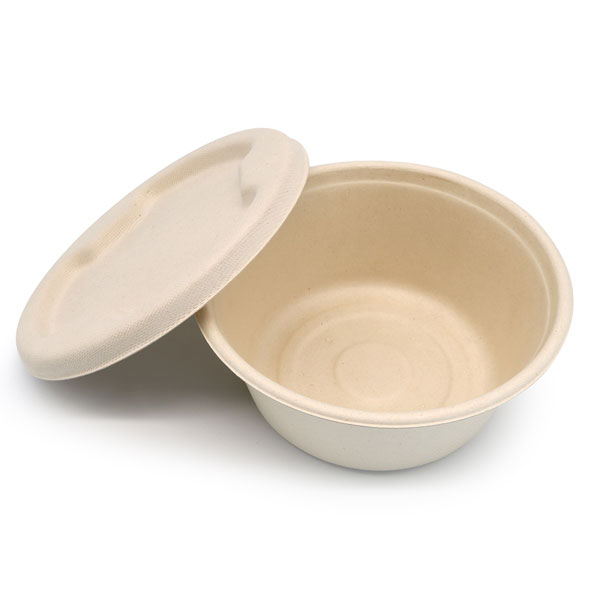
As environmental regulations tighten across Europe, businesses are facing unprecedented challenges in adapting their packaging strategies. The EU Single-Use Plastics (SUP) Directive represents more than just another compliance requirement—it's a fundamental shift in how we think about disposable products. For B2B clients in the food service industry, understanding these policy changes isn't just about avoiding fines; it's about seizing competitive advantage in an increasingly eco-conscious market.
Implemented in 2021 and with ongoing updates through 2024, the EU SUP Directive targets the ten most commonly found single-use plastic items on European beaches. The legislation includes bans on certain products, extended producer responsibility schemes, and mandatory labeling requirements. Most importantly for food service businesses, it establishes clear guidelines for what constitutes acceptable alternatives to traditional plastic packaging.
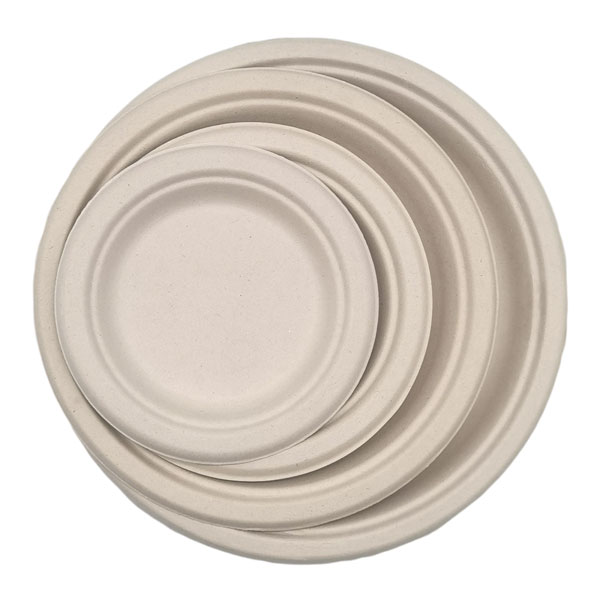
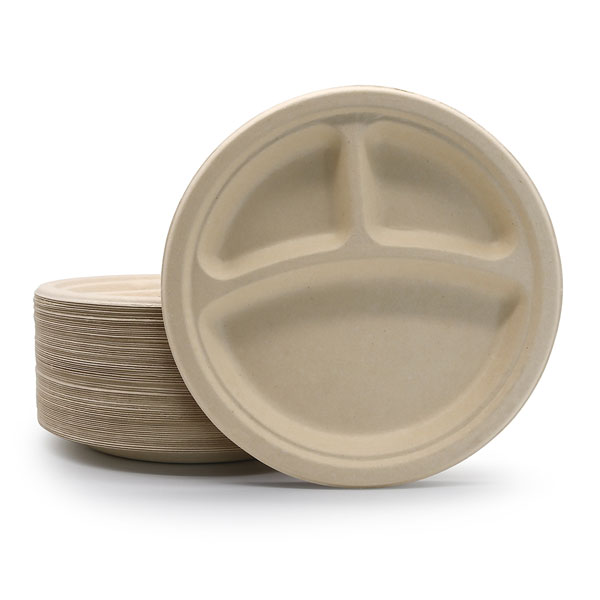
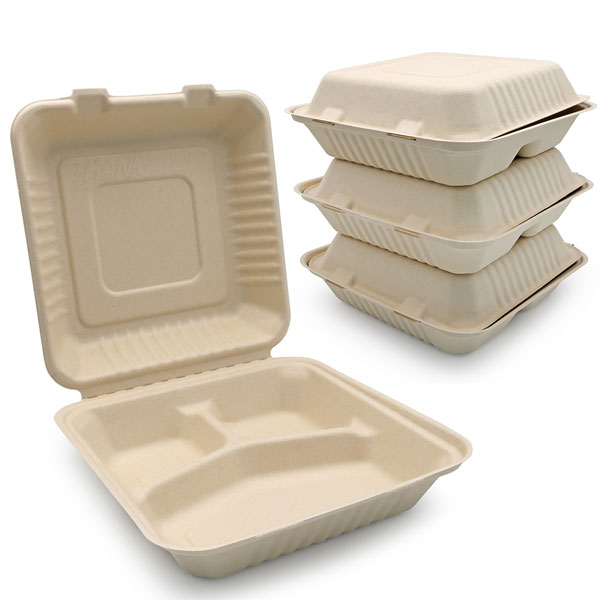
The directive specifically addresses food containers, cups, and plates, requiring businesses to transition to sustainable alternatives. This has created a significant market opportunity for compostable plates that meet the EU's stringent criteria for biodegradability and compostability under industrial conditions.
The regulatory pressure from the EU SUP Directive has accelerated innovation and investment in sustainable packaging solutions. Market analysts project that the global compostable plates market will grow at a CAGR of 15.8% between 2023 and 2030, with Europe representing the largest regional market. This growth isn't just regulatory compliance—it's driven by changing consumer preferences and corporate sustainability goals.
Sugarcane bagasse, the fibrous byproduct left after extracting juice from sugarcane, has emerged as one of the most promising materials for compostable plates. Unlike some bioplastics that require specific industrial composting facilities, high-quality sugarcane bagasse plates can decompose in home composting systems within 90 days, making them particularly attractive for businesses serving environmentally conscious customers.
For businesses transitioning from traditional plastics, sugarcane bagasse compostable plates offer multiple advantages beyond mere regulatory compliance:
Modern sugarcane bagasse plates demonstrate excellent heat resistance (up to 95°C/203°F), oil and water resistance, and structural integrity comparable to traditional plastic alternatives. This makes them suitable for a wide range of food service applications, from casual dining to upscale catering events.
While initial costs may be slightly higher than conventional plastics, the total cost of ownership for compostable plates is becoming increasingly competitive. Reduced waste disposal fees, potential tax incentives for sustainable businesses, and enhanced brand value contribute to a compelling business case.
Not all compostable plates are created equal. When evaluating options for your business, consider these critical factors:
Ensure that any compostable plates you consider carry recognized certifications such as EN 13432 (European standard for compostable packaging), OK Compost HOME, or the Seedling logo. These certifications provide assurance that the products will break down properly in industrial composting facilities.
Many suppliers now offer customized compostable plates with branded designs, specific sizes, and tailored functionalities. This allows businesses to maintain brand consistency while transitioning to sustainable packaging solutions.
The evolution of compostable plates technology continues beyond current regulatory requirements. Emerging trends include:
Research is underway to improve the barrier properties of compostable plates, potentially extending their applications to more challenging food types while maintaining full compostability.
Forward-thinking businesses are exploring how compostable plates fit into broader circular economy models, including partnerships with composting facilities and waste management companies to ensure proper end-of-life processing.
The EU SUP Directive has fundamentally reshaped the packaging landscape for European businesses. Rather than viewing these changes as burdensome regulations, forward-thinking companies are recognizing them as opportunities to differentiate themselves, reduce environmental impact, and meet evolving customer expectations. Sugarcane bagasse compostable plates represent not just a compliance solution, but a strategic advantage in today's sustainability-focused market. By embracing these innovations now, businesses can position themselves for success in the evolving regulatory and consumer landscape of 2024 and beyond.