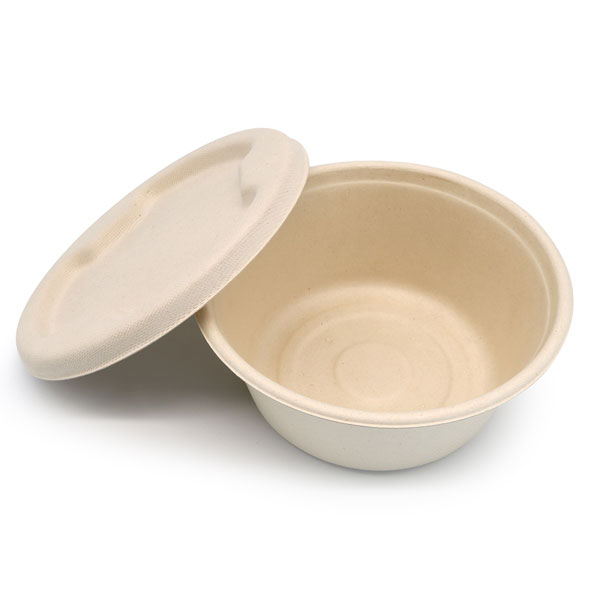
The global shift towards sustainable packaging is accelerating at an unprecedented pace, and the compostable packaging market is at the forefront of this transformation. With a staggering 35% annual growth rate forecast for 2024, businesses worldwide are recognizing the urgent need to adopt environmentally responsible solutions. This explosive growth isn't just a trend—it's a fundamental market shift driven by powerful policy changes and evolving consumer expectations.
Governments across the globe are implementing stringent regulations that are fundamentally reshaping the packaging industry. From the European Union's Single-Use Plastics Directive to California's ambitious composting infrastructure investments, policy makers are creating a regulatory environment that favors compostable alternatives. These policies aren't just guidelines—they're enforceable mandates that are pushing businesses toward sustainable solutions.
Several critical policy developments are fueling the 35% growth forecast:
• Extended Producer Responsibility (EPR) schemes expanding globally
• Plastic bans in over 60 countries now include exemptions for certified compostable materials
• Tax incentives for businesses adopting sustainable packaging solutions
• Mandatory composting infrastructure requirements in major metropolitan areas
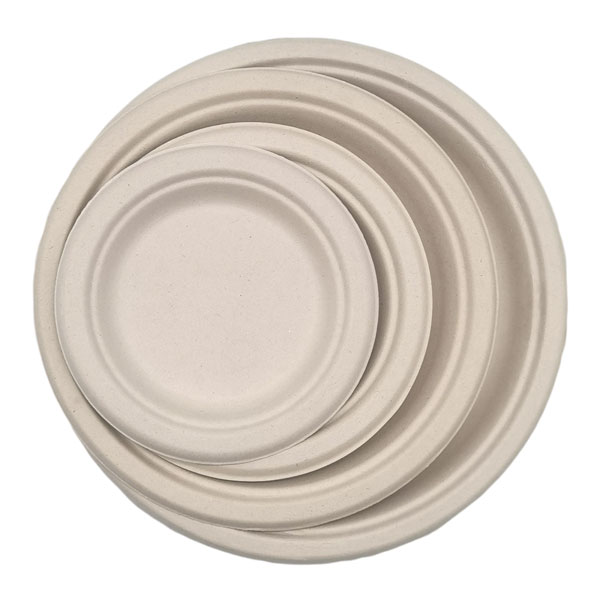
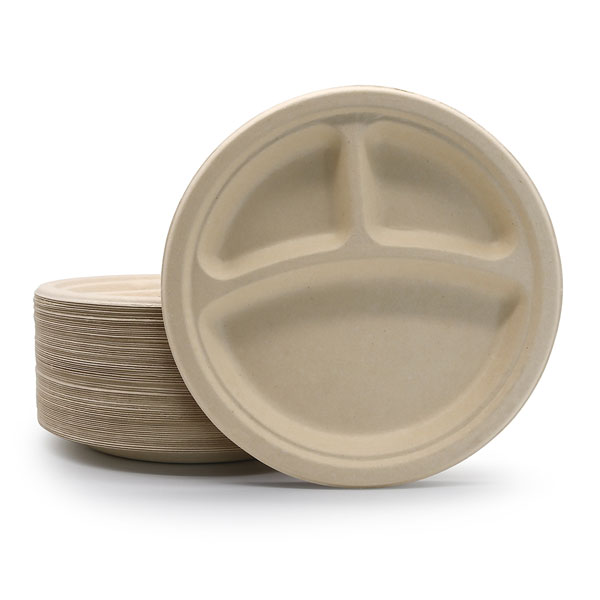
Among all compostable packaging solutions, compostable plates stand out as one of the most rapidly adopted products. The food service industry, event management sector, and corporate catering businesses are increasingly turning to custom compostable plates as their go-to solution. These products offer the perfect balance of functionality, sustainability, and brand alignment that modern businesses require.
For B2B clients, the decision to switch to custom compostable plates isn't just about environmental responsibility—it's about smart business strategy. Customized compostable plates allow businesses to:
• Enhance brand visibility with logo-printed sustainable tableware
• Meet corporate sustainability goals and reporting requirements
• Reduce waste management costs through compostable disposal
• Appeal to environmentally conscious consumers and corporate clients
• Future-proof operations against increasingly strict regulations
The 35% growth forecast isn't evenly distributed across all sectors. Specific industries are driving this expansion:
• Corporate catering and office events: 42% projected growth
• Wedding and special event planning: 38% projected growth
• Educational institutions and campus dining: 35% projected growth
• Quick-service restaurants transitioning to sustainable models: 45% projected growth
Each of these segments presents unique opportunities for businesses offering custom compostable plates solutions.
The technological evolution in compostable materials has been remarkable. Modern compostable plates now offer:
• Heat resistance comparable to traditional plastic alternatives
• Moisture barrier properties suitable for various food types
• Custom printing capabilities for brand enhancement
• Certified compostability in industrial facilities
• Cost competitiveness with premium disposable options
Navigating the certification landscape is crucial for businesses considering compostable plates. Key certifications to look for include:
• BPI (Biodegradable Products Institute) certification for North American markets
• TÜV Austria OK compost INDUSTRIAL for European compliance
• AS 4736 and AS 5810 standards for Australian markets
• Local municipal composting facility approvals
Custom compostable plates offer businesses a unique opportunity to turn sustainability into a branding advantage. Unlike generic disposable tableware, custom compostable plates can:
• Feature company logos, event themes, or promotional messages
• Be tailored to specific event requirements and food types
• Create memorable brand experiences for clients and guests
• Demonstrate genuine commitment to sustainability through visible action
As demand surges, businesses must consider several supply chain factors:
• Lead times for custom compostable plates production
• Minimum order quantities for cost-effective customization
• Storage and handling requirements for compostable materials
• Partnership with reliable suppliers who understand regulatory compliance
For businesses ready to embrace this growing market trend, a strategic approach ensures successful implementation:
1. Conduct a comprehensive waste audit to understand current usage patterns
2. Research local composting infrastructure and certification requirements
3. Start with pilot programs for specific events or departments
4. Educate staff and clients about proper disposal methods
5. Measure and communicate the environmental impact of the transition
While initial costs may be higher than traditional disposables, the long-term financial benefits are significant:
• Reduced waste disposal fees through composting programs
• Enhanced brand value and customer loyalty
• Protection against future regulatory penalties
• Potential eligibility for sustainability grants and tax incentives
The 35% growth forecast for 2024 is just the beginning. Industry analysts predict sustained growth through 2030, driven by:
• Continued policy tightening around single-use plastics
• Technological advancements reducing production costs
• Growing consumer demand for sustainable options
• Corporate sustainability commitments becoming standard practice
• Expansion of composting infrastructure in urban areas
To capitalize on this market opportunity, businesses should:
• Request samples of custom compostable plates to evaluate quality and performance
• Consult with experts who understand both sustainability and business requirements
• Develop a phased implementation plan that aligns with business operations
• Establish metrics to measure both environmental and business impact
• Partner with suppliers who offer reliable customization and compliance support
The 35% annual growth forecast for the compostable packaging market represents more than just a statistic—it's a clear signal that sustainable solutions are becoming business necessities rather than optional extras. Custom compostable plates offer businesses a practical, brand-enhancing way to participate in this growing market while meeting regulatory requirements and consumer expectations. As policies continue to drive market transformation, early adopters of custom compostable solutions will gain competitive advantages that extend far beyond environmental benefits.