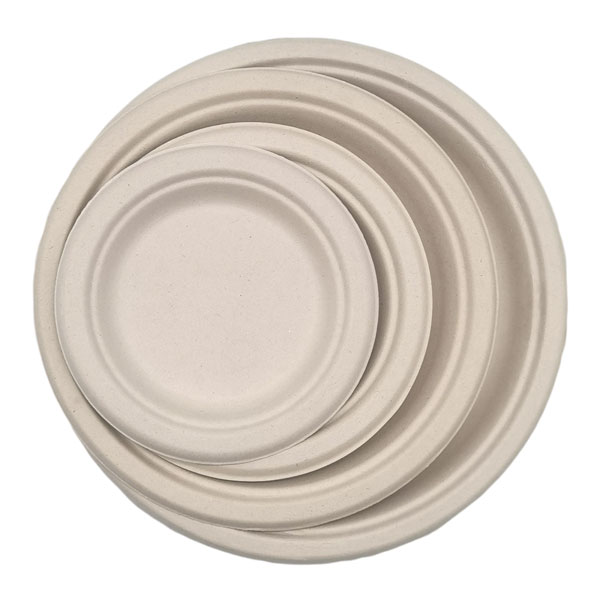
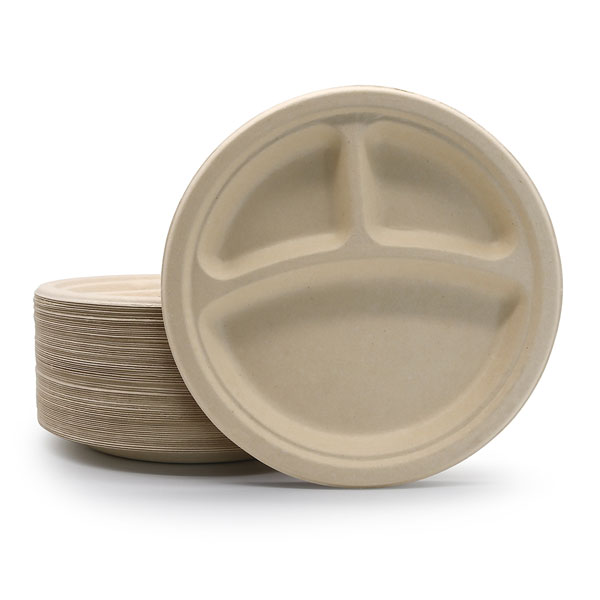
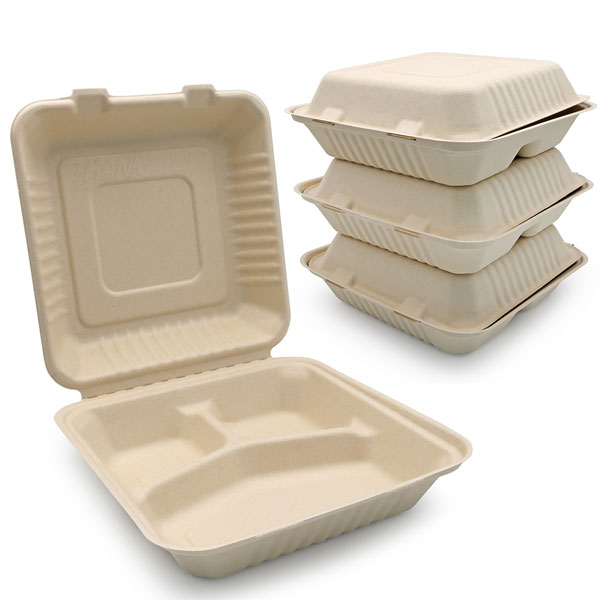
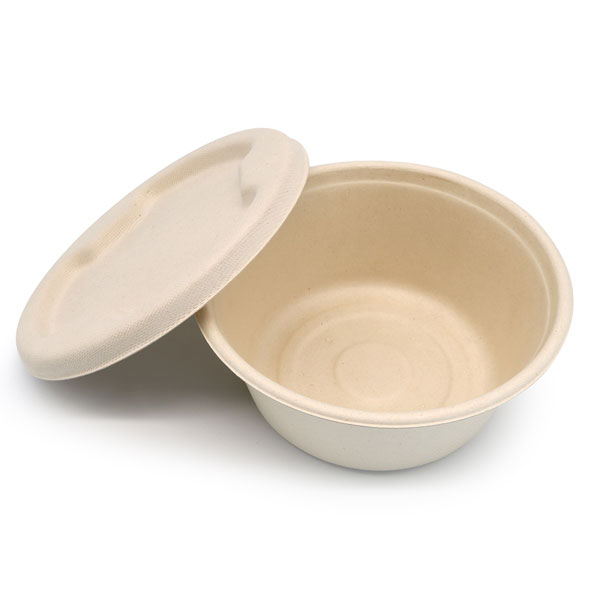
For years, businesses seeking sustainable packaging have faced a frustrating trade-off. Switching to compostable plates and containers made from bagasse (sugarcane fiber) meant embracing eco-credentials but often sacrificing performance. The primary pain point? Inadequate resistance to oils, greasy foods, and watery sauces, leading to potential leaks, sogginess, and customer dissatisfaction. This performance gap has been a significant barrier to widespread B2B adoption in catering, meal prep, and food service.
The landscape is now transformed. A revolutionary nanocoating process has been engineered specifically for bagasse-based compostable plates. This isn't a superficial layer; it's a molecular-scale technology that integrates with the natural fibers of the container. The process involves applying an ultra-thin, fully compostable barrier that fundamentally alters the surface properties without compromising the material's ability to break down in industrial composting facilities.
The nanocoat works by creating a microscopic, protective network on the container's surface. This network is hydrophobic and oleophobic, meaning it repels both water and oil molecules. For you, this translates directly to:
Leak-Proof Integrity: Confidently package saucy pastas, oily salads, or juicy meats. The container maintains structural integrity for over 12 hours, ensuring meals arrive as intended.
No More Sogginess: The natural fibers of the compostable plate are shielded from moisture absorption. Food stays fresh, and containers remain sturdy from kitchen to customer.
Brand Confidence: Eliminate the risk of leaks that damage brand perception. Offer clients a premium, reliable sustainable product that performs as well as it looks.
Rigorous testing underlines this breakthrough. The nanocoated bagasse containers were subjected to various challenging food substances at controlled temperatures. Results consistently showed a leak-proof barrier lasting a minimum of 12 hours—more than covering standard delivery windows, event catering durations, and prepared meal shelf life. This performance metric moves compostable plates from a niche eco-option to a viable, high-performance mainstream solution for B2B clients.
Adopting this advanced generation of compostable plates is no longer just an environmental statement; it's a competitive operational decision. It allows you to meet corporate sustainability goals and customer demand for green packaging without compromising on utility or reliability. This technology bridges the final gap, making the switch from conventional plastic or plastic-lined containers seamless and risk-free.
The nanocoating breakthrough represents a pivotal moment for sustainable foodservice packaging. It proves that innovation can eliminate the historical compromises associated with eco-materials. For businesses looking to lead in their sector, specifying high-performance, nanocoated compostable plates is a powerful way to demonstrate commitment to both practicality and planetary health. The era of leak-prone compostables is over.