Fresh Supermarket, a high-end grocery chain, faced a persistent challenge. Their in-house prepared foods—artisan salads, gourmet entrees, and delicate desserts—were crafted with premium ingredients. Yet, they were served in conventional plastic clamshells. Customer feedback was clear: the packaging felt cheap and contradictory to the brand’s quality and environmental values. The disconnect was costing them sales, especially among eco-conscious shoppers willing to pay more for sustainability.
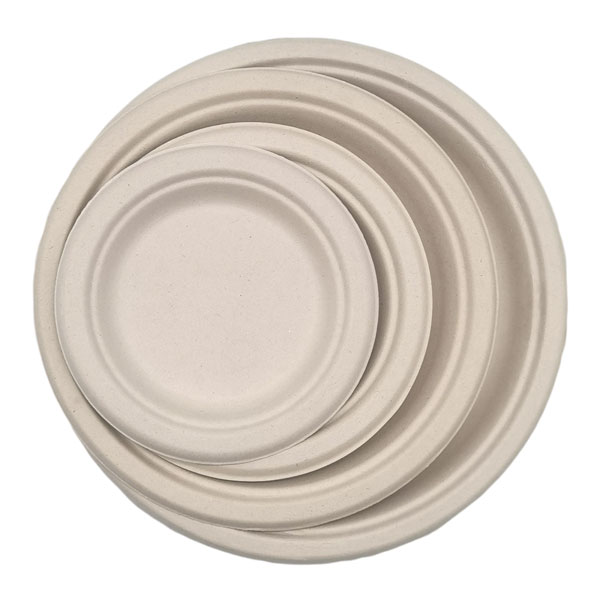
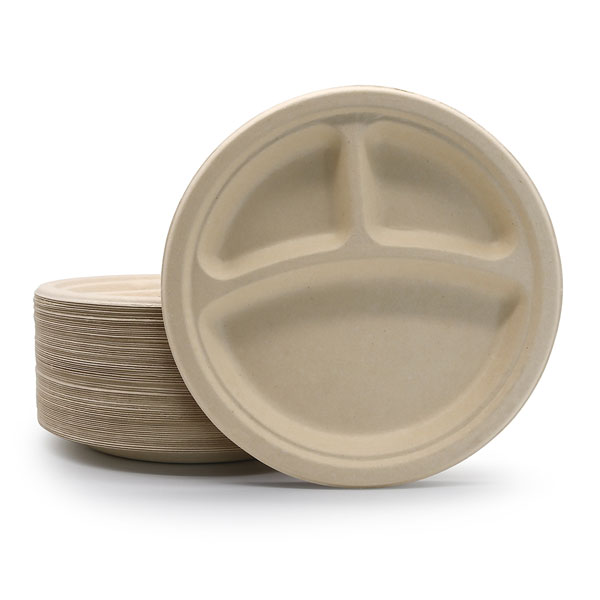
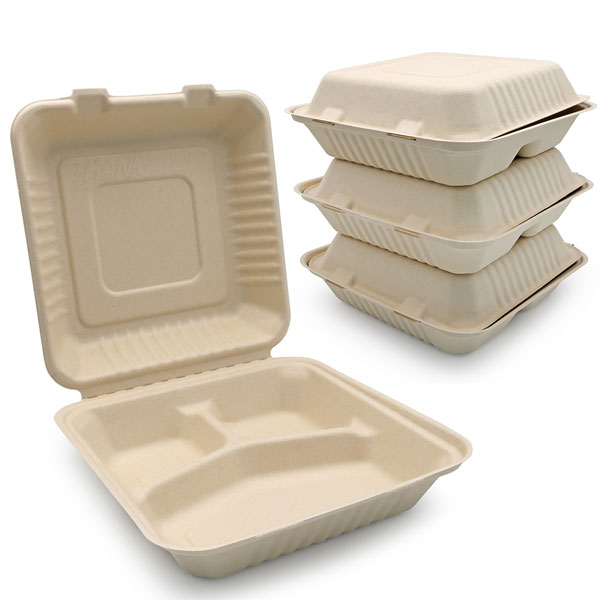
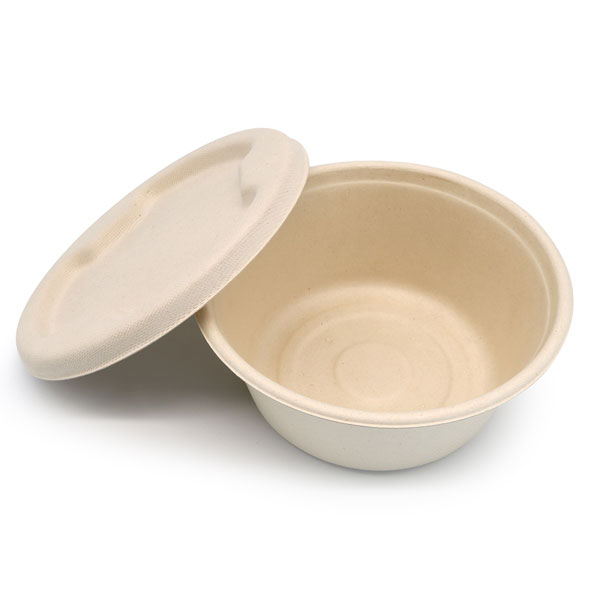
Determined to align their packaging with their product quality and brand ethos, Fresh Supermarket’s leadership explored alternatives. After rigorous testing, they selected compostable plates and containers made from sugarcane bagasse—a fibrous byproduct of sugar extraction. This material was not only sturdy and leak-resistant for their foods but also represented a true circular solution: made from waste, and fully compostable after use.
The decision went beyond just "being green." Bagasse compostable plates offered tangible benefits: a natural, elegant texture that felt premium to the touch, excellent microwave and freezer safety for customer convenience, and a clear visual signal of the brand’s commitment. It was a packaging solution that enhanced, rather than diminished, the product inside.
The rollout was accompanied by a subtle but powerful in-store education campaign. Small shelf tags and signage near the prepared foods section explained: "Now served in plant-based, home-compostable packaging." This simple messaging addressed a key consumer pain point: the confusion over terms like "biodegradable" versus "compostable." By specifying "home-compostable," Fresh Supermarket provided clarity and immediate value to the customer.
The impact was measured over the next quarter. The result? Sales of premium prepared foods in the new packaging increased by 25% compared to the same period the previous year. But the benefits extended far beyond revenue:
1. Elevated Brand Perception: Customer surveys showed a 40% increase in association with "environmental leadership" and "premium quality."
2. Reduced Contamination in Organics Stream: By providing clearly labeled compostable plates, the store saw a decrease in non-compostable plastics mistakenly placed in their organic waste bins.
3. Positive PR & Customer Loyalty: The initiative generated local media coverage and became a talking point, attracting new customers and deepening loyalty among existing ones.
Fresh Supermarket’s case study is a blueprint for success. It proves that sustainable packaging is not a cost center but a growth driver. The switch to sugarcane bagasse compostable plates successfully:
- Resolved a Brand-Value Disconnect: Packaging finally matched product quality.
- Spoke Directly to the Eco-Conscious Consumer: It addressed the specific pain point of plastic guilt and waste confusion.
- Created a Tangible Point of Differentiation: On a crowded shelf, the natural look and clear compostable message made their products stand out.
For B2B clients, this case underscores a critical insight: in today’s market, packaging is a powerful communication and sales tool. Choosing the right compostable plates is not just an operational decision—it’s a strategic marketing and brand-building move. As Fresh Supermarket demonstrated, when you package your premium products in a material that tells a story of quality, responsibility, and innovation, customers don’t just notice; they respond with their wallets.
Ready to transform your product’s presentation and performance? Explore how custom sugarcane bagasse compostable plates can become your brand’s competitive advantage.