In the competitive world of quick-service restaurants, sustainability is no longer a niche preference but a core business imperative. For global coffee chains, the mounting pressure to reduce plastic waste presents both a significant challenge and a powerful opportunity for brand differentiation. This case study delves into how one prominent chain implemented bagasse cup lids across its locations, achieving a remarkable 35% reduction in plastic usage and witnessing a tangible uplift in its Environmental, Social, and Governance (ESG) ratings. The journey underscores a strategic move beyond mere compliance towards genuine environmental stewardship.
The client, a coffee brand with thousands of outlets, faced escalating criticism from environmentally conscious consumers and investors. Their reliance on conventional plastic for cup lids and other accessories was a glaring contradiction to their public commitments to sustainability. The pain points were multifaceted: growing regulatory threats on single-use plastics, negative social media sentiment, and increasingly savvy customers questioning the brand's environmental footprint. The search for a functional, scalable, and truly sustainable alternative led them to explore materials derived from agricultural waste, specifically bagasse—the fibrous residue left after extracting juice from sugarcane.
The transition wasn't about finding just any alternative. It required a solution that matched plastic's functionality for hot beverages while aligning with circular economy principles. Bagasse emerged as the frontrunner for several reasons. Firstly, as a by-product, it utilizes waste material, adding value to the agricultural cycle. Secondly, products made from bagasse are certified commercially compostable, breaking down into nutrient-rich soil in industrial composting facilities within 90 days. This was a key differentiator from "biodegradable" plastics that often require specific conditions to decompose. The brand initiated a pilot program, replacing traditional plastic lids with custom-designed, leak-resistant bagasse lids.
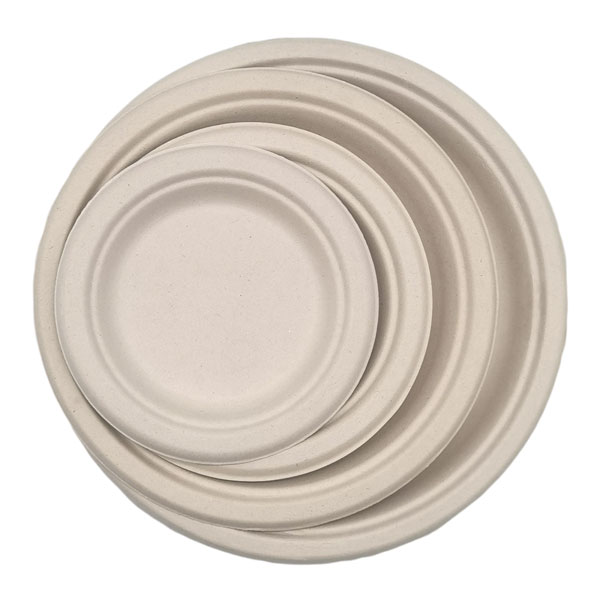
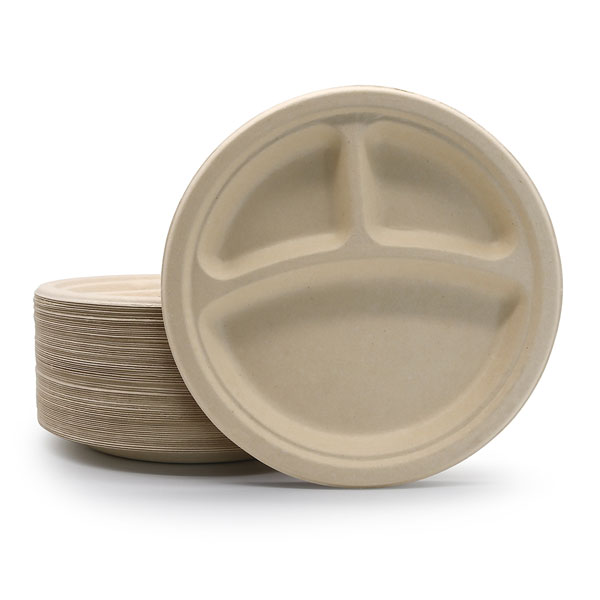
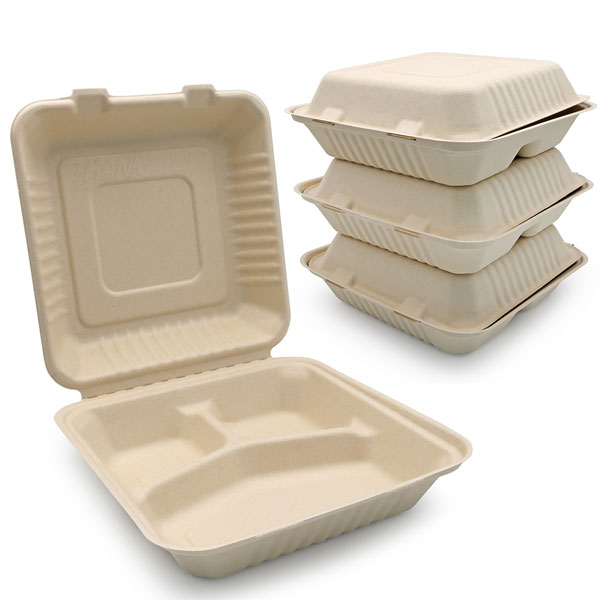
Encouraged by the lid pilot's success, the brand adopted a holistic packaging overhaul. They expanded the program to include a full range of compostable plates, food containers, and cutlery for their food menu items. This unified approach ensured that a customer's entire takeaway meal could be disposed of in a single compost stream, dramatically simplifying the waste process and maximizing environmental impact. The consistent use of bagasse across product lines also strengthened brand messaging around a committed, comprehensive sustainability strategy.
The results of the year-long rollout were quantified and compelling. By switching to bagasse for lids and complementary compostable plates, the brand achieved a direct 35% reduction in its virgin plastic consumption. This hard data became a cornerstone of their annual sustainability report. Furthermore, third-party ESG rating agencies took note. The tangible action on waste reduction and the adoption of a circular model led to a significant improvement in their environmental score, directly enhancing their overall ESG rating. This improvement resonated powerfully with institutional investors and partners who prioritize sustainable supply chains.
The initiative was communicated through in-store signage, social media campaigns, and packaging itself. The message was clear: "Enjoy your coffee, then compost me." Customer feedback was overwhelmingly positive, with many expressing pride in supporting a brand taking concrete action. This translated into increased brand loyalty and positive PR, turning a operational change into a powerful marketing asset. The move positioned the brand as an authentic leader, not just a follower, in the fight against plastic pollution.
This case study offers crucial insights for other businesses. First, start with a high-visibility, high-usage item (like cup lids) to pilot and demonstrate commitment. Second, partner with a supplier capable of providing reliable, certified compostable plates and packaging that meets both functional and compliance needs. Third, ensure clear consumer education on proper disposal to realize the environmental benefits. Finally, measure and communicate the results—both the plastic reduction and the brand equity gains—to build a compelling business case for sustainability.
The journey of this coffee brand illustrates that replacing plastic with innovative solutions like bagasse is a win-win strategy. It directly addresses environmental concerns, satisfies stakeholder demands, and builds a more resilient, future-proof brand. For B2B clients, the message is clear: investing in custom compostable plates and packaging is no longer just an ethical choice, but a strategic business decision that drives measurable operational and reputational returns.