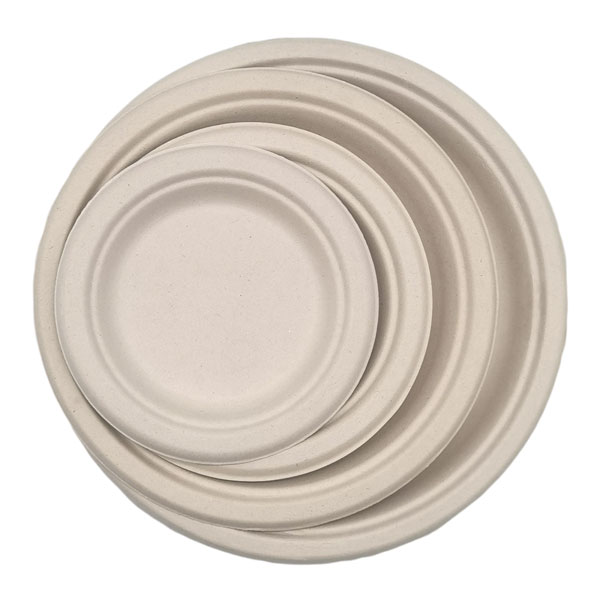
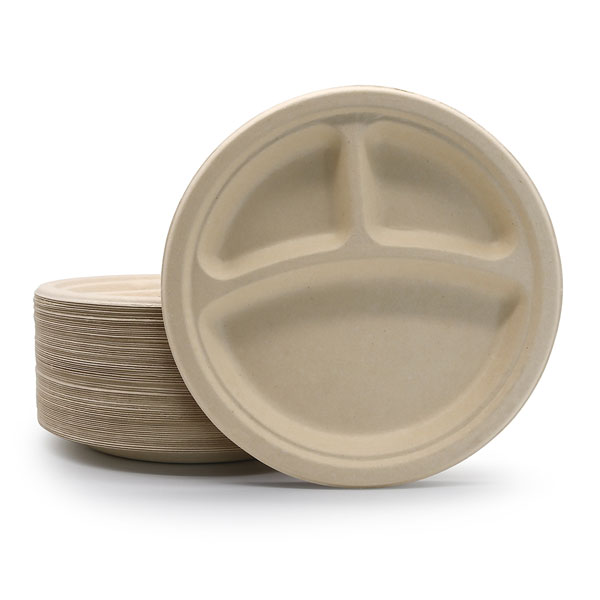
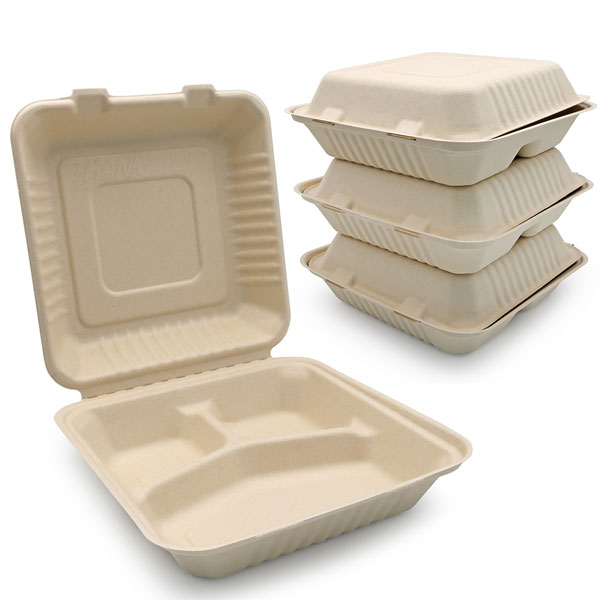
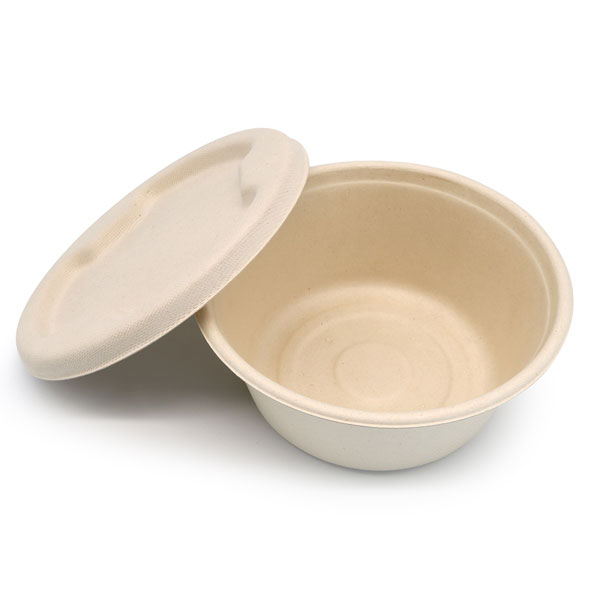
For businesses seeking truly sustainable packaging, the term "compostable" carries immense weight—and skepticism. Can products genuinely return to the earth, or do they leave behind microplastics and broken promises? Our deep dive into the composting cycle of sugarcane bagasse packaging provides the evidence-based answers you need.
Choosing compostable plates isn't just about disposal; it's about closing the loop. Commercial composting facilities operate on tight schedules, typically 60-90 days. If a product fails to break down completely within this window, it contaminates the final compost and risks being diverted to landfill, undermining your sustainability goals. This research validates that well-designed bagasse plates meet this critical industrial timeline.
Our controlled study subjected our bagasse packaging to ASTM D6400 standards, simulating active commercial composting conditions. The results were clear: microbial activity consumed the plate's organic structure, achieving over 90% visual disintegration within 45 days and complete assimilation into mature compost by day 90. Spectral analysis confirmed the absence of synthetic polymer residues, proving a clean biological cycle.
Degradation isn't automatic. Our research pinpointed the controlling factors:
1. Material Purity: Plates made from 100% sugarcane fiber, without PLA coatings or synthetic binders, degraded fastest.
2. Particle Size & Porosity: Optimal fiber milling increases surface area for microbial colonization.
3. Moisture & Temperature: Consistent industrial composting heat (58-65°C) is crucial for efficient breakdown.
4. Microbial Community: A diverse, active compost ecosystem is non-negotiable for complete biodegradation.
When you specify scientifically validated compostable plates, you invest in a system that reduces landfill burden, lowers net carbon emissions, and produces nutrient-rich soil amendment. This tangible environmental return aligns with the values of your eco-conscious clients and enhances your brand's authentic green credentials.
Your procurement choices have power. Partner with suppliers who provide third-party certifications (like BPI, OK compost INDUSTRIAL) and transparent research data. Ensure your waste management partners understand the product specifications to facilitate proper composting. By verifying the science behind the claim, you turn a simple purchase of compostable plates into a verified contribution to a circular economy.
The journey from table to soil is a scientific process, not just a marketing one. With validated, factor-optimized sugarcane bagasse packaging, your business can serve its customers with confidence, knowing the end of the meal is truly a new beginning for the planet.