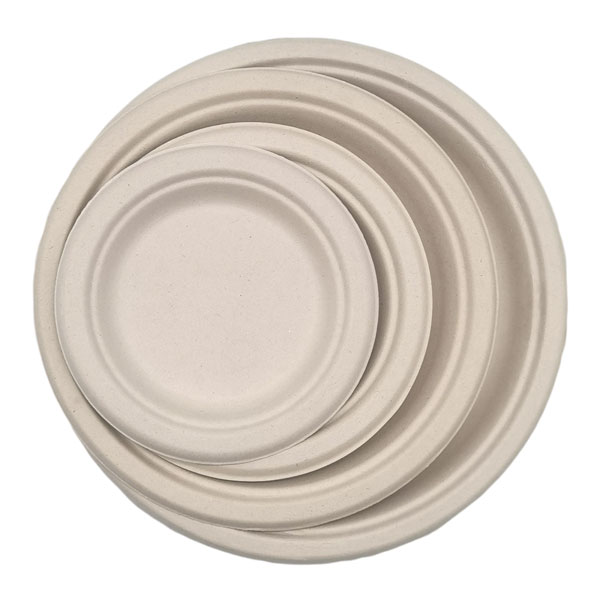
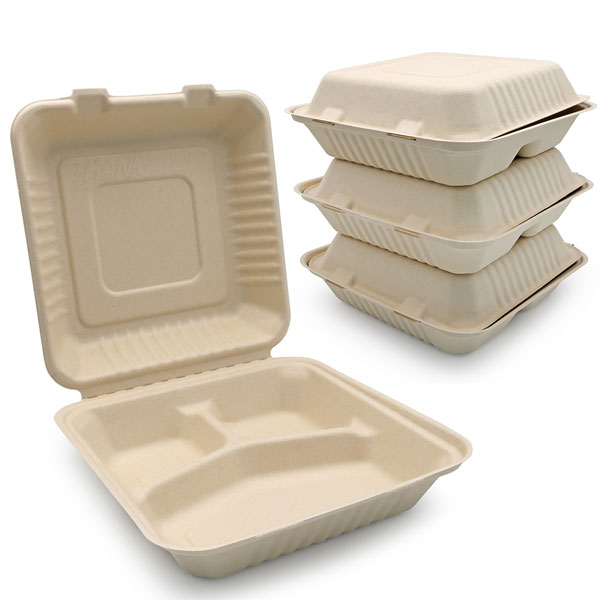
In 2024, Environmental, Social, and Governance (ESG) criteria have moved from a niche concern to a central pillar of investment strategy. For the catering and food service industry, this shift presents both a challenge and a monumental opportunity. Investors and lenders are increasingly channeling capital—"green financing"—towards businesses that demonstrably reduce their environmental footprint. Your operational choices, right down to the tableware, are now under financial scrutiny. This is where a strategic shift to compostable plates transitions from a simple cost line item to a powerful lever for financial growth and resilience.
Traditional single-use plastics are a glaring red flag on any ESG report. They contribute to pollution, waste management crises, and carbon emissions from production. For a catering business seeking investment or loans, this legacy packaging creates a tangible financial risk. It signals regulatory vulnerability, potential future compliance costs, and a misalignment with consumer and investor values. The pain point is clear: outdated packaging can literally block access to the growing pool of green capital.
This is where actionable change makes all the difference. Switching to certified compostable plates and packaging is a measurable, reportable environmental action. It directly addresses the "E" in ESG by reducing plastic pollution, lowering carbon footprint (especially if plant-based), and supporting a circular economy model. When you present this initiative to a lender or investor, you are no longer just selling meals; you are showcasing a business model designed for the future. You provide concrete data points: "X% reduction in plastic waste," "transition to annually renewable materials," "partnership with industrial composting facilities." These are the metrics that green financiers look for.
While compostable plates are a stellar starting point, the most compelling cases for financing are built on holistic narratives. Frame your plate choice as part of a broader strategy: sourcing local ingredients, optimizing energy use, and implementing waste diversion programs. This comprehensive approach demonstrates deep commitment and operational maturity, significantly de-risking your business in the eyes of ESG-focused investors.
To leverage this trend, start with an audit of your current packaging. Partner with a reputable supplier who can provide certified compostable products that meet performance needs. Educate your clients and staff about the proper end-of-life disposal (commercial composting) to ensure environmental integrity. Most importantly, document the change. Quantify the switch in your business plans, sustainability reports, and financing proposals. Highlight customer and client approval, as social license (the "S" in ESG) further strengthens your case.
The 2024 ESG investment landscape is clear: sustainability is profitability. For the catering industry, compostable plates are far more than an ethical alternative; they are a strategic asset. They directly address investor pain points, mitigate regulatory and reputational risks, and open doors to preferential green loans and investments. By making this switch, you're not just serving food—you're serving a vision of a sustainable, financially robust future that the market is eager to fund. Start your transition today and position your enterprise at the forefront of this transformative trend.