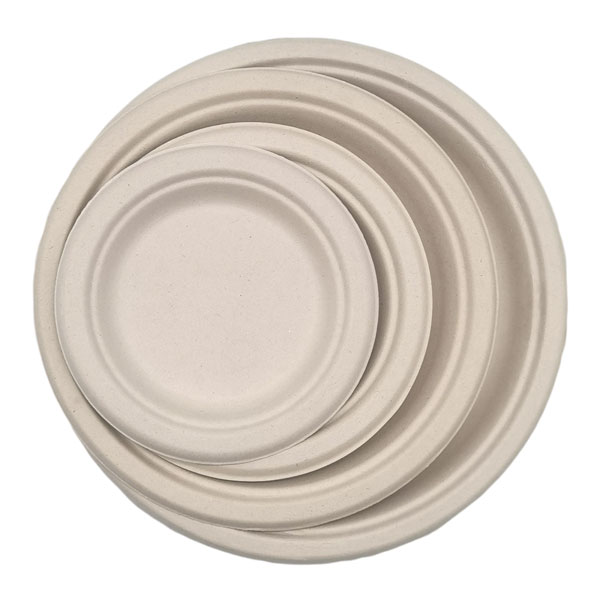
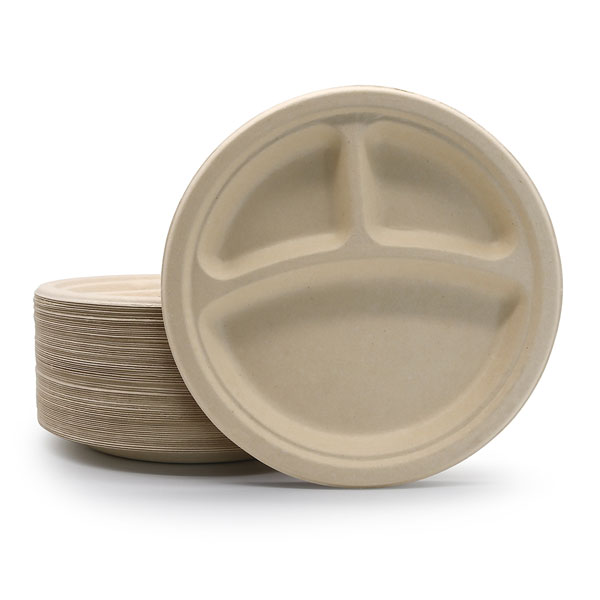
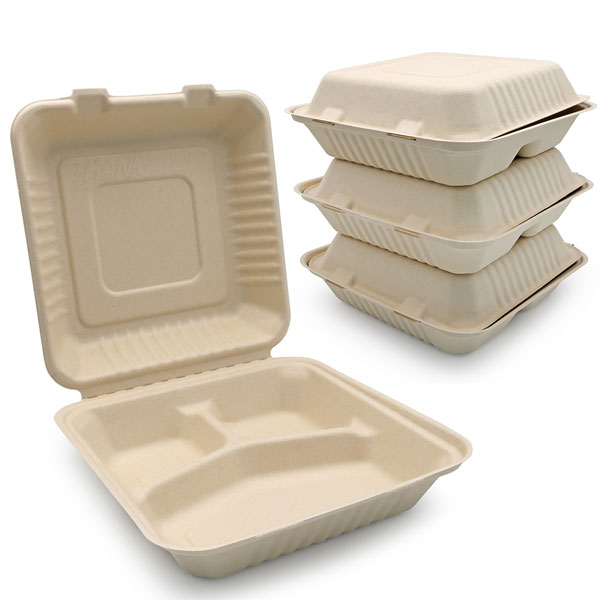
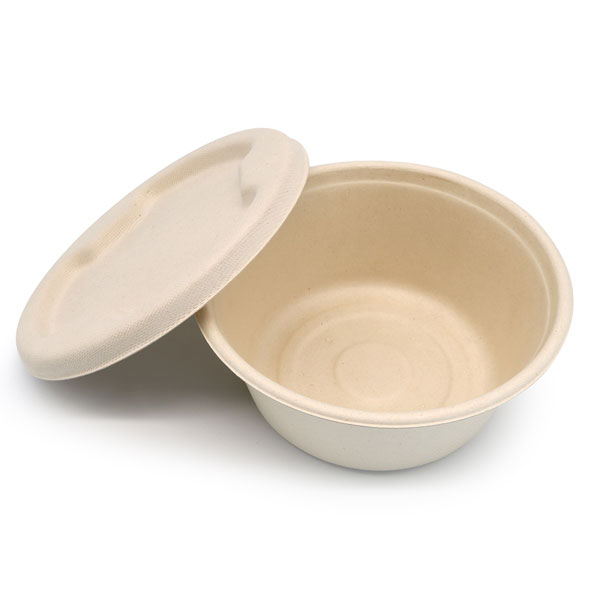
For B2B decision-makers, adopting eco-friendly practices is no longer just a CSR checkbox; it's a strategic financial move. As governments worldwide incentivize green business operations, one of the most accessible entry points is packaging. This article analyzes a compelling fiscal advantage: how transitioning to sustainable options like bagasse compostable plates can directly contribute to securing green tax reductions, potentially up to 12% in various jurisdictions.
Many regions offer tax credits, deductions, or rebates for businesses that reduce their environmental footprint. These incentives often target waste diversion from landfills, use of renewable resources, and reduction of carbon emissions. Traditional plastic and polystyrene packaging is increasingly facing punitive taxes (like plastic taxes), while sustainable alternatives are being rewarded. The shift to plant-based, biodegradable packaging is a primary action that qualifies.
Bagasse, the fibrous byproduct of sugarcane processing, is transformed into sturdy, heat-resistant compostable plates. From a tax qualification perspective, it excels because:
1. Demonstrable Waste Reduction: It directly replaces petroleum-based plastics, slashing your contribution to persistent landfill waste. This waste diversion metric is key for many incentive programs.
2. Renewable & Carbon-Neutral Source: Bagasse utilizes a waste material, promoting a circular economy. Its production is typically lower in carbon emissions compared to plastic, aligning with carbon tax benefit criteria.
3. Certified Compostability: Products like ASTM D6400 certified compostable plates provide tangible proof of end-of-life environmental benefit, a crucial document for audit trails when claiming incentives.
While percentage benefits vary by location (e.g., specific states in the US, countries in the EU, or Asia-Pacific regions), a 12% reduction on applicable taxes or levies is a common benchmark. This doesn't mean a 12% reduction in total tax bill, but a significant cut on the portion related to packaging waste or environmental levies. For a business with substantial packaging needs—like food service distributors, corporate cafeterias, or event companies—the annual savings transition from a cost center to a value-generating investment.
1. Consult Your Tax Advisor: Investigate local "green tax credit" or "environmental technology" incentive programs applicable to your business operations.
2. Audit Your Packaging Spend: Quantify your current expenditure on conventional disposable plates. This forms your baseline.
3. Partner with a Certified Supplier: Source your bagasse compostable plates from a provider who can supply necessary compliance certificates (compostability, material sourcing).
4. Document the Switch: Maintain clear records of purchase orders, invoices, and certification documents to substantiate your claim during filing.
The financial upside extends beyond the tax incentive. Switching to bagasse compostable plates mitigates future risk from escalating plastic taxes, enhances brand reputation with eco-conscious clients and partners, and aligns with the sustainability demands of large corporate supply chains. It future-proofs your business.
Investing in custom-branded bagasse compostable plates is an intelligent dual-purpose strategy. It addresses the urgent pain points of environmental responsibility and rising operational costs simultaneously. By leveraging available tax incentives, the switch becomes financially prudent, not just ethically sound. Begin your analysis today—the potential 12% green tax reduction is a compelling starting point for a more profitable and sustainable packaging strategy.
Disclaimer: This article is for informational purposes. Tax incentives vary greatly. Always consult with a qualified tax professional or legal advisor regarding your specific circumstances and applicable local laws.