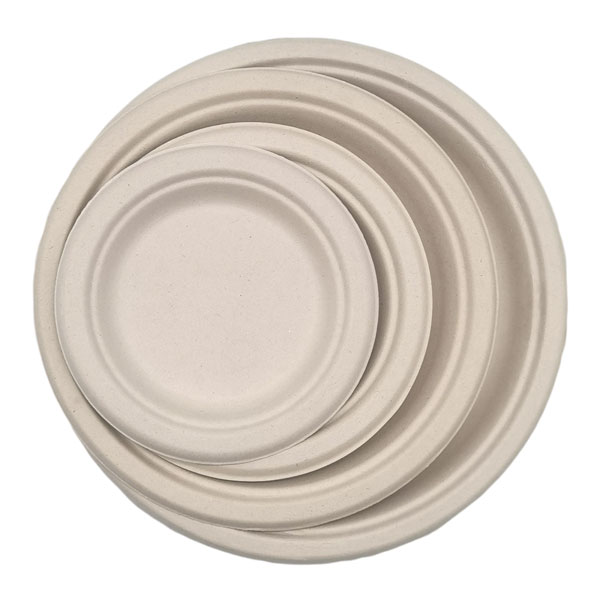
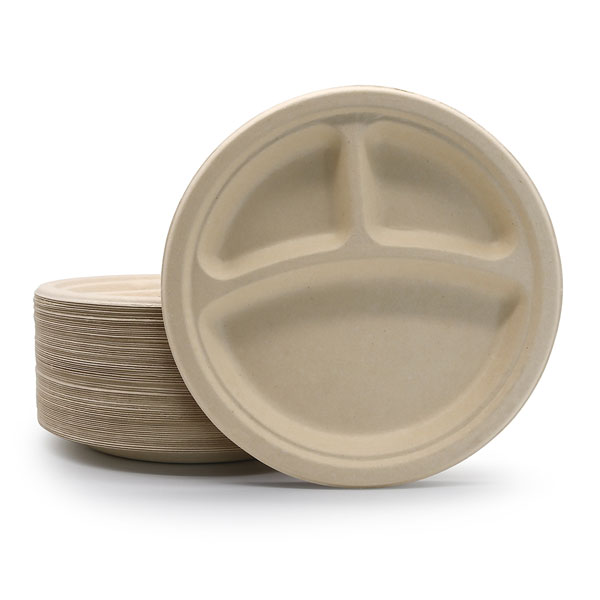
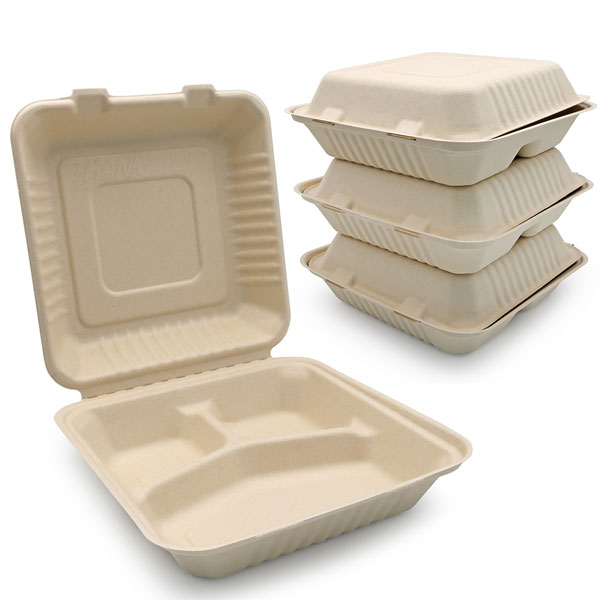
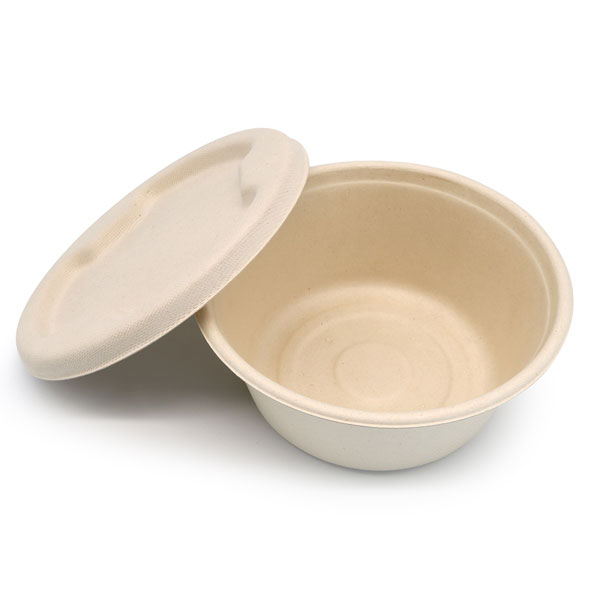
The corporate procurement landscape is undergoing a seismic shift. In 2024, Environmental, Social, and Governance (ESG) criteria have evolved from a "nice-to-have" to a core component of supplier evaluation and selection. Procurement managers are no longer just comparing price and quality; they are mandated to assess the environmental impact of every purchase. This is where compostable plates and their verified environmental credentials become a critical differentiator. For businesses in the food service, corporate catering, or events sector, demonstrating tangible proof of your product's low carbon footprint is the new currency for securing lucrative B2B contracts.
Amidst growing scrutiny of "greenwashing," corporations need verifiable, standardized data. Enter ISO 14067. This international standard specifies principles, requirements, and guidelines for the quantification and reporting of the carbon footprint of a product (CFP). For a supplier of custom compostable plates, obtaining this certification is a game-changer. It transforms a generic claim of "being eco-friendly" into a trusted, audited, and comparable metric. It answers the precise question procurement officers are asking: "What is the exact climate impact of this product throughout its life cycle?"
Corporate buyers face immense pressure to meet sustainability targets and report accurate data to stakeholders. Their key pain points include:
Risk Mitigation: Using a certified supplier reduces the risk of association with false environmental claims. ISO 14067 provides the due diligence evidence they need.
Streamlined Reporting: The certified CFP data can be directly integrated into the buyer's own sustainability and Scope 3 emissions reports, saving them time and resources.
Competitive Advantage for Their Brand: By sourcing certified commercially compostable plates, they can credibly market their events or services as climate-conscious, enhancing their own brand reputation.
Many buyers understand that compostability is important for end-of-life. However, the 2024 upgrade focuses on the *entire* lifecycle. A product can be compostable but have a high carbon footprint from manufacturing or raw material extraction. ISO 14067 certification for your compostable plates proves you have optimized both. It shows you've measured and minimized impacts from material sourcing (like plant-based resins), energy-efficient manufacturing, to low-emission logistics. This holistic view is what gives certified suppliers priority in the new ESG procurement playbook.
To capitalize on this shift, suppliers must proactively adapt their messaging and offerings:
1. Pursue Certification: Invest in obtaining ISO 14067 for your key product lines, such as your custom branded compostable plates.
2. Educate in Your Content: Create case studies and whitepapers that translate the technical aspects of your CFP data into tangible business benefits for your clients.
3. Update Sales Collateral: Ensure your proposals and product sheets prominently feature the certification and explain what it means for the buyer's ESG goals.
4. Target the Right Keywords: Optimize your web content for terms like "ISO 14067 certified packaging," "low carbon footprint compostable plates," and "ESG compliant foodservice products."
The upgrade to corporate ESG standards is not a passing trend; it's a fundamental restructuring of B2B purchasing logic. In this new era, trust is built on transparent, third-party-verified data. For suppliers of compostable plates and tableware, ISO 14067 certification is no longer just an environmental achievement—it is a powerful commercial tool. It provides the definitive proof that aligns perfectly with the tightened 2024 procurement criteria, moving your products from the "considered" list directly to the "preferred" list. By leading with verified carbon footprint data, you don't just sell a product; you become a strategic partner in your client's ESG success story.