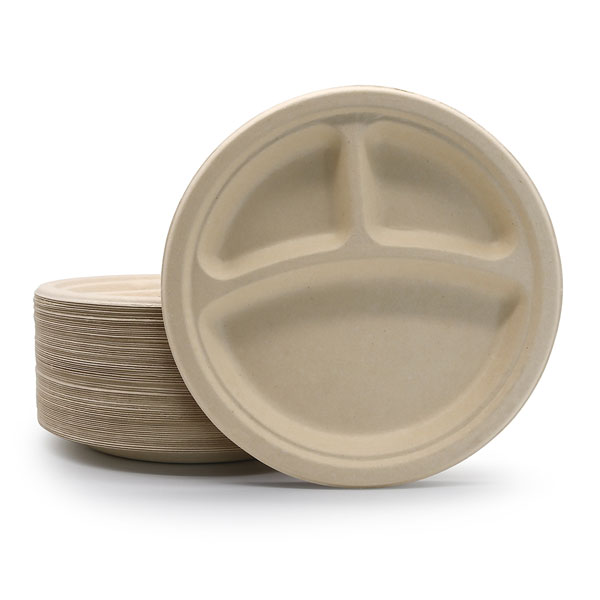
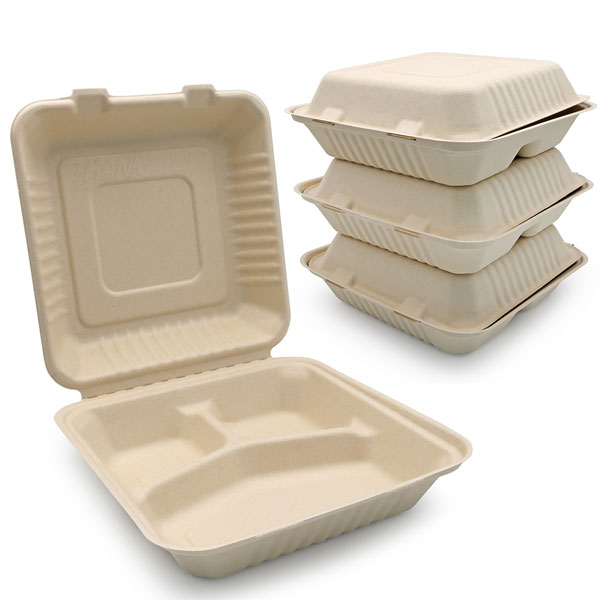
For chain restaurant managers and operations directors, the efficiency of your delivery and takeout system is paramount. Yet, one persistent issue silently erodes customer satisfaction, increases operational costs, and damages brand reputation: leaking food containers. Grease stains on bags, soggy cardboard, and spilled sauces are more than just annoyances—they are direct pain points leading to negative reviews, refunds, and lost repeat business. In an era where delivery is king, your packaging is the final, critical touchpoint with the customer.
Many restaurants have embraced the shift away from conventional plastics, opting for seemingly eco-friendly alternatives. However, a common compromise has been structural integrity. Traditional paper-based or low-quality biodegradable containers often wilt under moisture and grease, directly causing the leakage complaints you're aiming to eliminate. This creates a frustrating dilemma: choose sustainability and risk performance, or prioritize function and abandon environmental goals. The solution isn't to abandon eco-initiatives but to find a material that excels in both.
Enter bagasse—a fibrous material derived from sugarcane pulp. This isn't just another compostable plates alternative; it's a engineering upgrade for food containment. Bagasse's natural fibers create a remarkably sturdy and rigid structure. Containers made from this material exhibit superior resistance to oil and water penetration, even when holding hot, saucy, or greasy foods for extended periods during delivery. This inherent durability is the key to solving the leakage epidemic.
The 30% reduction in leakage complaints isn't a marketing guess—it's a logical outcome of material science. Unlike porous paper, bagasse has a naturally denser composition. When formed into clamshells or bowls with secure, snug-fitting lids, it creates a far more reliable seal against liquids. This means:
- No more seepage: Sauces, dressings, and broths stay contained.
- Preserved food integrity: Crispy items stay dry, and compartments prevent soggy cross-contamination.
- Cleaner delivery bags: Eliminates spillage that soils other items and the delivery driver's gear.
By virtually eliminating in-transit leaks, you directly address the top customer complaint, leading to higher satisfaction scores and fewer operational headaches for your staff.
Reducing leakage does more than please customers; it streamlines your entire operation. Consider the time and cost spent on handling complaints, processing refunds, and re-making orders. With a reliable container, these incidents plummet. Furthermore, delivery becomes more predictable and cleaner for drivers, improving their efficiency. Your brand's image is consistently presented as intended—with food arriving appetizing and intact. This reliability builds trust, encouraging repeat orders and positive word-of-mouth, turning your packaging from a cost center into a brand asset.
The final, powerful advantage is the complete alignment with environmental stewardship. High-performance bagasse containers are fully compostable plates and packaging. After serving their primary function flawlessly, they can be composted in commercial facilities, breaking down into nutrient-rich soil within months—not centuries like plastic. For chain restaurants, this means you can proudly market a genuine green initiative without asterisks or caveats about performance. You offer a solution that satisfies the operations team's need for reliability, the marketing team's need for a strong brand story, and the consumer's growing demand for responsible business practices.
Begin by auditing your current packaging-related complaint logs and costs. Then, pilot a switch to premium bagasse food containers for your most problematic menu items—think saucy pastas, juicy burgers, or oily appetizers. Measure the change in complaint frequency, customer feedback, and even delivery driver comments. The data will speak for itself. By investing in packaging engineered for real-world delivery challenges, you're not just buying compostable plates; you're investing in customer loyalty, operational smoothness, and a sustainable competitive edge that truly delivers.