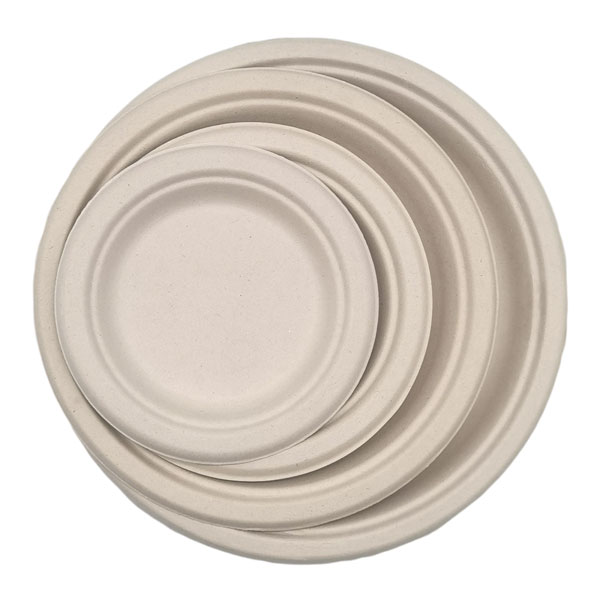
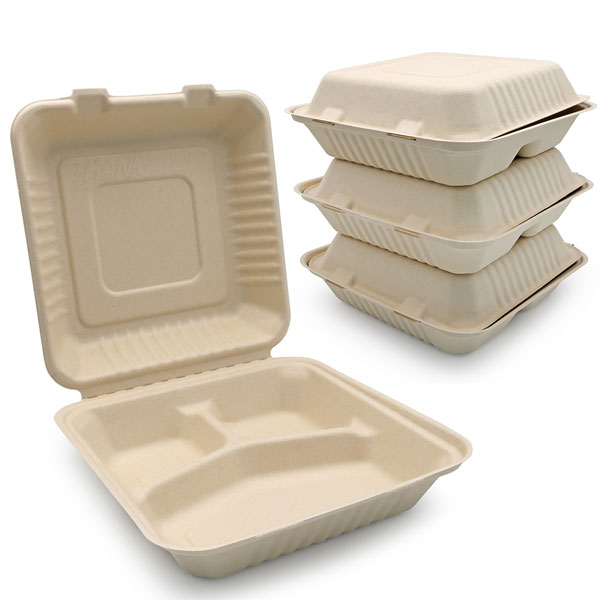
In today's competitive and environmentally-conscious market, B2B enterprises face a dual challenge: reducing their carbon footprint while maintaining profitability. Traditional packaging, especially single-use plastics, is increasingly seen as a liability—both ecologically and economically. However, a transformative shift is underway. Innovative, sustainable materials like sugarcane pulp are not just replacing plastic; they are creating tangible financial assets through carbon trading mechanisms. For businesses using or producing compostable plates and packaging, this represents a groundbreaking opportunity to turn sustainability efforts into direct revenue.
For decades, packaging has been a straightforward operational cost. With the global expansion of carbon markets, this paradigm is flipping. Biobased materials, such as those derived from sugarcane bagasse—a byproduct of sugar refining—have a significantly lower carbon lifecycle than fossil-fuel-based plastics. When you choose certified compostable plates made from this pulp, you are actively reducing your supply chain's greenhouse gas emissions. This reduction can be quantified, verified, and registered as a Carbon Emission Reduction (CER) credit. In current markets, this translation of environmental action can generate approximately 150 RMB per ton of carbon equivalent reduced, creating a new, incremental revenue stream directly tied to your sustainable procurement decisions.
The process is robust and credible. Sugarcane absorbs CO2 as it grows, creating a carbon-positive agricultural stage. Manufacturing compostable plates from its waste pulp requires less energy than conventional plastic or paper production. After use, when composted industrially, the material returns to the soil as nutrient-rich organic matter in a closed-loop cycle, avoiding methane emissions from landfills. This entire cradle-to-cradle lifecycle demonstrates a verifiable net reduction in emissions compared to the alternative. Third-party verification bodies can audit this data, allowing enterprises to issue and trade carbon credits. This isn't just theoretical; it's a practical asset emerging from every shipment of eco-friendly tableware.
This model directly tackles critical pain points for modern businesses:
Regulatory Pressure & Brand Risk: With bans on single-use plastics spreading globally, switching to compostable plates future-proofs your operations. The carbon revenue adds a positive incentive atop compliance.
Client & Consumer Demand: B2B clients increasingly mandate sustainable supply chains. Offering products with a lower carbon footprint and a verifiable carbon asset story provides a powerful competitive edge.
Waste Management Costs: Industrial composting streams for compostable plates can simplify waste logistics and reduce associated fees compared to mixed waste or specialized plastic recycling.
To capitalize on this, partner with a compostable plates supplier who provides not just the product, but also the lifecycle analysis data and documentation necessary for carbon credit verification. Work with sustainability consultants to navigate the carbon market registration process. Market this achievement transparently in your ESG reports and to your clients—it's a testament to measurable, profit-aligned environmental stewardship.
The era where sustainability was a cost burden is over. By strategically adopting sugarcane pulp compostable plates, forward-thinking enterprises are building a greener brand, satisfying stakeholder demands, and unlocking a novel revenue line from carbon assets. It's a clear win-win: for your balance sheet and for the planet.