For businesses delivering fresh produce, herbs, or premium baked goods, the journey from warehouse to doorstep is fraught with risk. Traditional plastic clamshells and polystyrene foam might seem protective, but they create a microclimate of condensation and pressure that bruises delicate items. The result? A staggering rate of transport loss, customer dissatisfaction, and a mounting pile of non-recyclable waste. As an eco-conscious brand, you face the dual challenge of ensuring product integrity and upholding your sustainability values. This is where the packaging paradigm shifts—from mere containment to active, breathable protection.
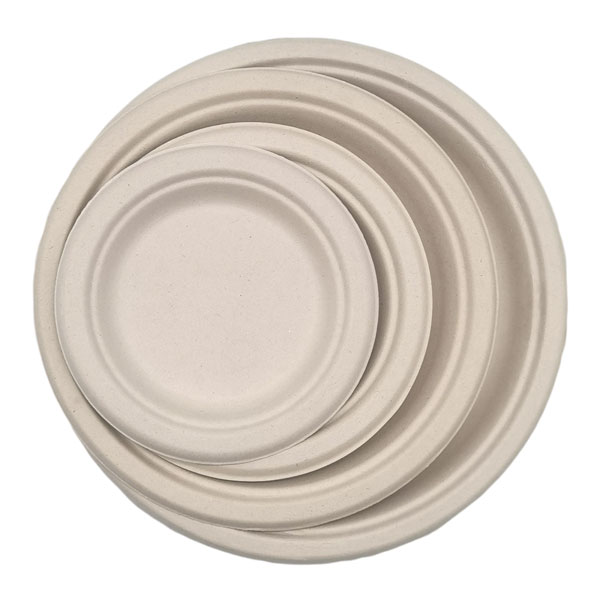
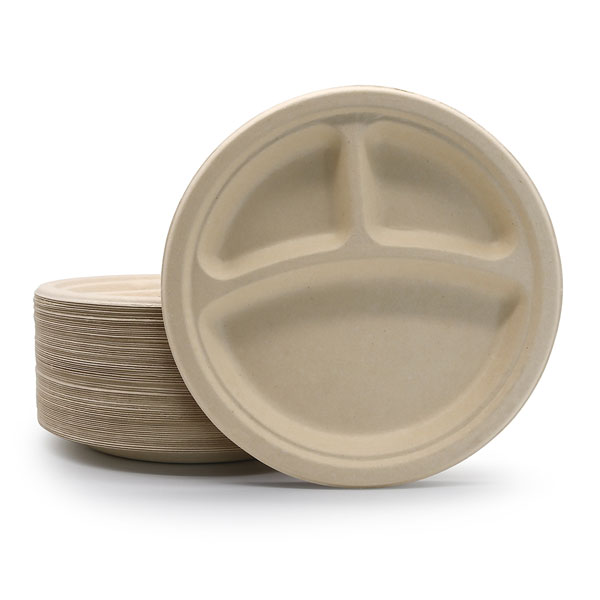
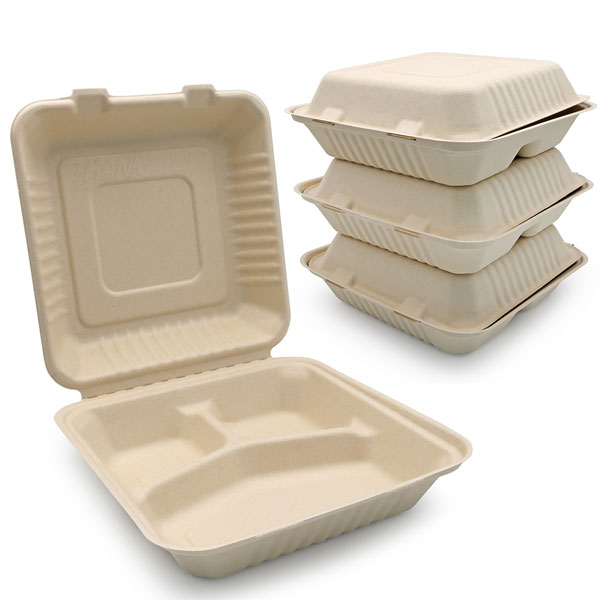
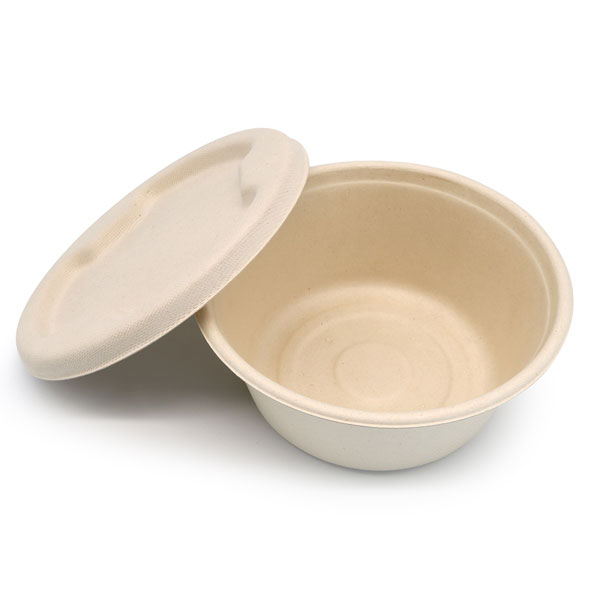
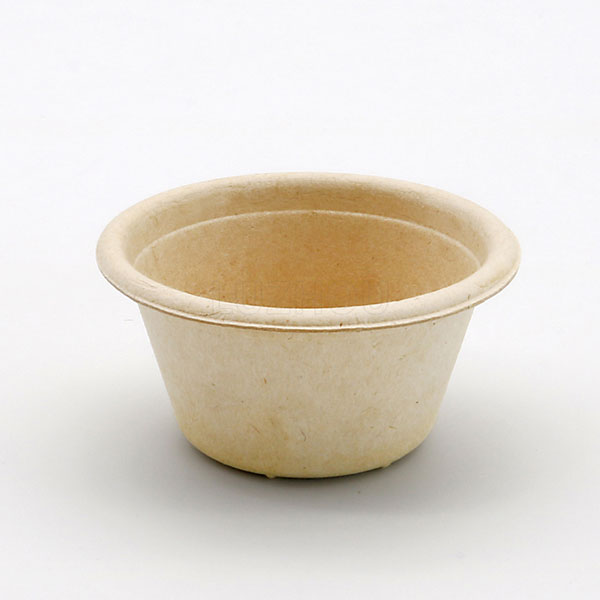
Sugarcane pulp, or bagasse, is a fibrous byproduct of sugar extraction. Molded into sturdy, custom-shaped boxes and compostable plates, it possesses unique properties that plastic cannot match. Its natural fibrous structure creates millions of tiny air pockets, providing superior cushioning and shock absorption against the bumps and drops of transit. More critically, it is breathable. This natural breathability allows for minimal moisture buildup, drastically reducing the spoilage and sogginess that plague produce sealed in plastic. Think of it as giving your fresh goods a breathable, protective shell that actively works to preserve their just-harvested quality.
The claim of a 20% reduction in transport loss is rooted in the science of breathability versus containment. Plastic packaging traps ethylene gas (a natural ripening agent) and humidity, accelerating decay and creating pressure points. A sugarcane pulp box, however, allows for a gentle exchange of air. This:
• Minimizes Condensation: Prevents water droplets from forming, which are breeding grounds for mold.
• Reduces Ethylene Concentration: Slows the over-ripening process during transit.
• Eliminates Crush Zones: The rigid yet forgiving structure distributes weight evenly.
For businesses, this directly translates to fewer customer complaints about rotten items, reduced refunds, and a higher rate of perfect product arrival—directly boosting your bottom line and brand reputation.
Choosing sugarcane pulp packaging isn't just a functional decision; it's a powerful brand message. Unlike "biodegradable" plastics that require industrial facilities, these boxes and compostable plates can break down in a commercial composting facility within 90 days, returning to the soil as nutrient-rich compost. This closes the loop in the most literal sense. For your B2B clients and their end-consumers, the unboxing experience becomes a testament to a genuine commitment to the environment. It answers the growing demand for supply chain transparency and responsibility, turning your packaging from waste into a valuable part of the ecological cycle.
Transitioning to sugarcane pulp packaging is a strategic move for future-proofing your business. Start by auditing your most vulnerable products—berries, leafy greens, artisan cheeses, or delicate pastries. Partner with a custom manufacturer to design interior molds that cradle your specific products snugly, maximizing protection. Highlight this innovation in your marketing: "Shipped in 100% Home-Compostable Plant Fiber Packaging" is a powerful tagline. By integrating these nature-derived compostable plates and boxes, you're not just shipping a product; you're delivering freshness, integrity, and a cleaner planet, all in one box.