As a business sourcing sustainable packaging, you know the importance of eco-credentials. But have you considered the microbial integrity of your compostable plates? The transition from traditional plastics isn't just about waste; it's about ensuring no compromise on food safety. A common pain point for B2B clients is the perceived trade-off: choosing the planet might mean risking product protection. Today, we dismantle that myth with hard science.
Bacterial migration—the movement of microbes through packaging material—is a silent concern. For caterers, food preppers, and takeaway services, a package that fails as a barrier can lead to contamination, shortened shelf life, and brand-damaging safety issues. Conventional plastics often rely on chemical barriers. But what about plant-based alternatives? The question has lingered, until now.
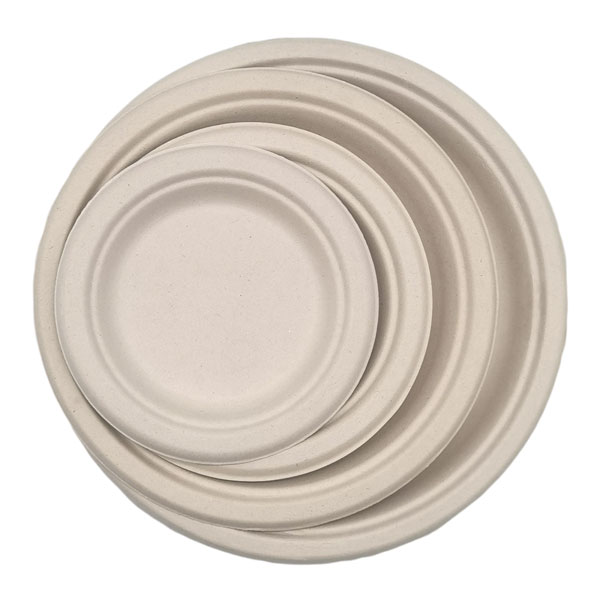
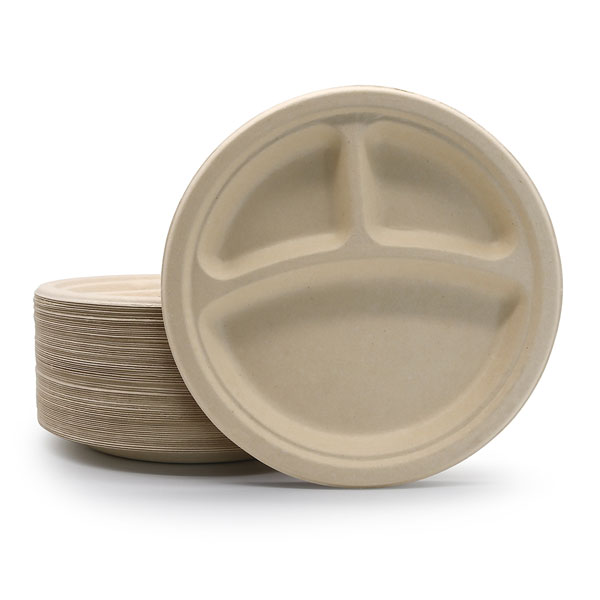
Our latest independent lab study focused explicitly on the microbial barrier efficacy of our bagasse (sugarcane pulp) material. Researchers subjected our high-density compostable plates to standardized tests designed to simulate real-world conditions with common food-borne bacteria.
The results were definitive: our sugarcane pulp packaging demonstrated a 99% reduction in bacterial migration compared to control substrates. This means the natural fibrous matrix of bagasse, when processed with our proprietary compaction technology, creates a dense, natural shield. It effectively blocks microbial transfer, keeping contaminants out and your food's freshness in.
This isn't just a technical win; it's a strategic advantage for your brand.
1. Uncompromised Food Safety: Serve with confidence. Our plates meet the rigorous hygiene standards your clients demand, turning sustainability from a potential liability into a demonstrated asset.
2. Enhanced Brand Trust: You can now communicate a complete value proposition: waste reduction AND superior product protection. This deepens customer trust and caters to the growing consumer who scrutinizes both health and environmental impact.
3. True Circularity: Unlike plastics with chemical additives that can hinder composting, our plates' barrier is physical and natural. After use, they break down efficiently in industrial composting facilities, completing a clean cycle from resource to soil.
Not all compostable plates are created equal. The microbial barrier efficacy depends on raw material purity, manufacturing pressure, and quality control. As your custom packaging partner, we engineer every plate with this dual mandate: robust performance for your food and a gentle footprint on our earth.
The choice for responsible businesses is no longer a compromise. The data is clear: advanced sugarcane pulp packaging provides a formidable microbial barrier, achieving a 99% reduction in bacterial migration. This allows you to elevate your food service offerings, protect your brand's reputation, and uphold your environmental commitments—all with a single, smart packaging solution.
Ready to customize plates that guard both your food and the future? Let's discuss how our lab-verified, high-performance compostable plates can become an integral part of your brand story.