The European Union's evolving regulatory landscape for Food Contact Materials (FCMs) presents a significant operational hurdle for businesses. The 2024 updates, building towards ambitious 2030 recyclability and sustainability goals, demand more than just compliance—they require a strategic pivot. For B2B clients in hospitality, catering, and food retail, the core pain point is clear: finding packaging solutions that are both legally future-proof and genuinely sustainable without compromising on performance or cost-efficiency. This is where innovative materials like sugarcane bagasse step into the spotlight, offering a pathway to not just meet but accelerate past regulatory deadlines.
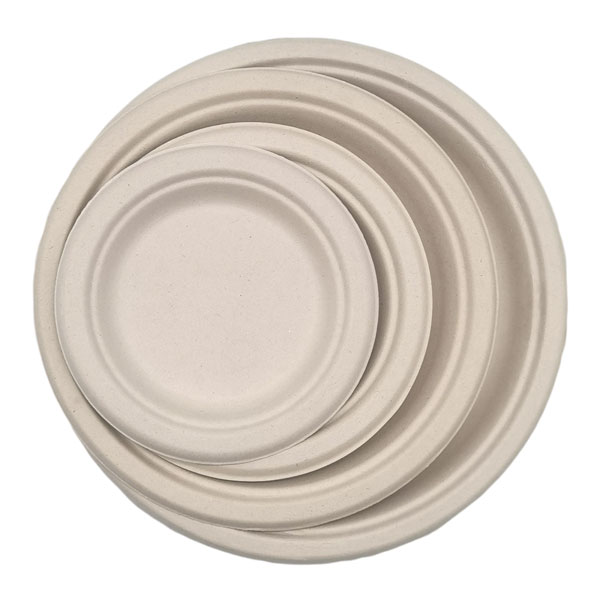
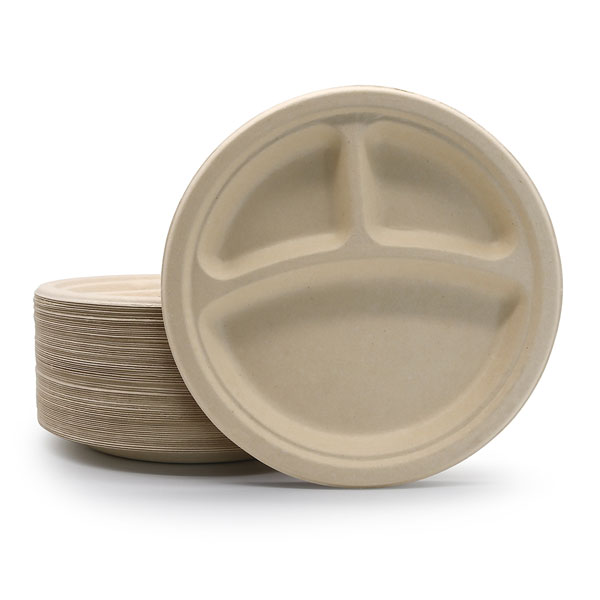
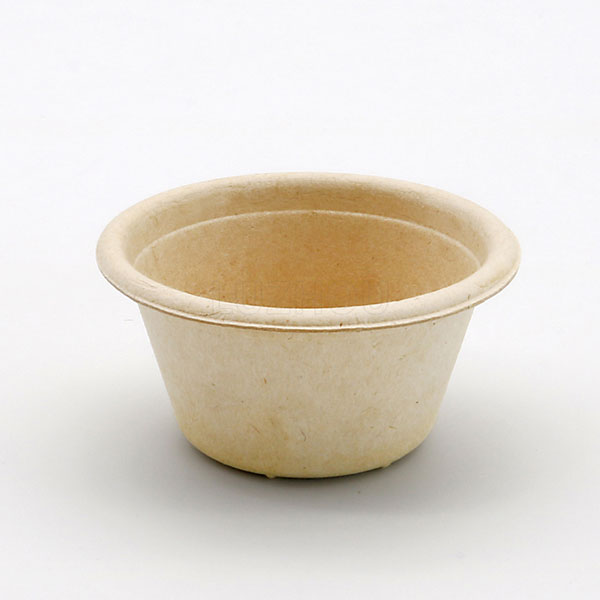
While traditional recycling faces well-documented challenges with contamination and processing, the new regulations increasingly favor closed-loop, circular solutions. This is the inherent strength of compostable plates made from sugarcane pulp. Unlike conventional plastics or even some paper products coated with PFAS, these plates are designed for the organic recovery stream. They are derived from bagasse, a fibrous byproduct of sugar extraction, turning waste into a valuable resource. For businesses, this means your used packaging can be commercially composted, breaking down into nutrient-rich soil within months—a perfect alignment with the EU's push for a circular economy and reduced landfill dependency.
How does sugarcane pulp packaging achieve this ahead-of-schedule compliance? The answer lies in its lifecycle. First, it's made from a rapidly renewable, non-food-competing biomass. Second, its production process typically has a lower carbon and water footprint compared to conventional plastic or virgin paper pulp. Most critically, its end-of-life scenario—industrial composting—is a validated, scalable process that directly contributes to waste reduction and soil health. By investing in high-quality compostable plates now, B2B clients effectively de-risk their operations against future regulatory tightening, positioning their brand as an environmental leader.
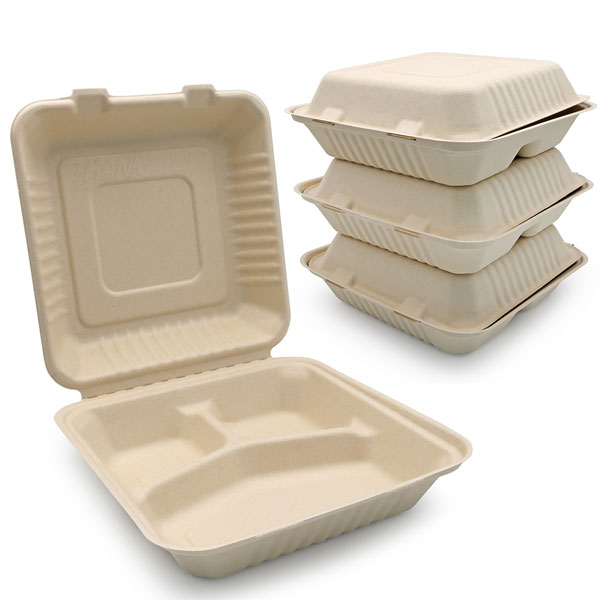
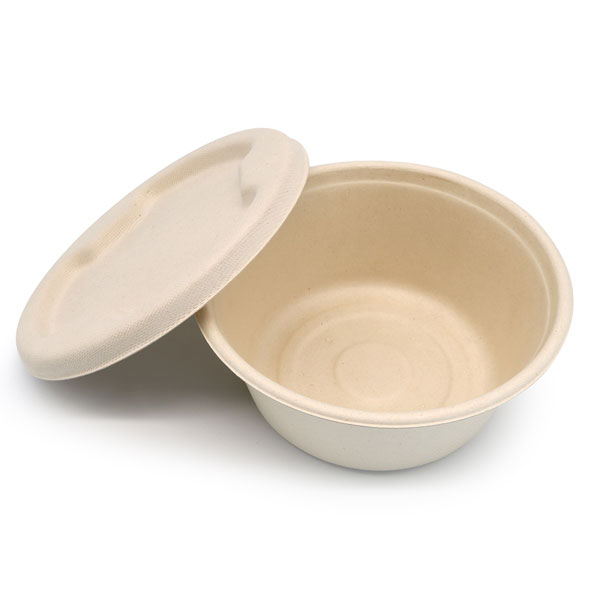
Adopting sustainable packaging cannot come at the expense of functionality. The best compostable plates made from sugarcane pulp are engineered to rival traditional options. They are microwave-safe, cut-resistant, and capable of handling hot, greasy, or moist foods without leaking or becoming soggy. This addresses a key business pain point: maintaining customer satisfaction and operational smoothness while making the green switch. For B2B buyers, this translates to a seamless transition—no need to retrain staff or manage customer complaints about flimsy eco-alternatives.
Choosing a supplier that understands both the material science of sugarcane pulp and the intricacies of EU FCM regulations is crucial. A true partner will provide not just compliant products but also documentation, such as migration test reports and compostability certifications (like EN 13432), to streamline your own due diligence and supply chain reporting. This proactive support turns a compliance necessity into a marketable brand advantage for your business.
The 2024 EU FCM regulations are not a distant threat but a present-day catalyst for innovation. By transitioning to custom sugarcane pulp compostable plates, your business can address immediate regulatory pressures, appeal to the growing eco-conscious consumer base, and build a resilient, future-ready brand. The 2030 recyclability targets are within reach today. The question is no longer if you should adapt, but how quickly you can lead the change in your industry.