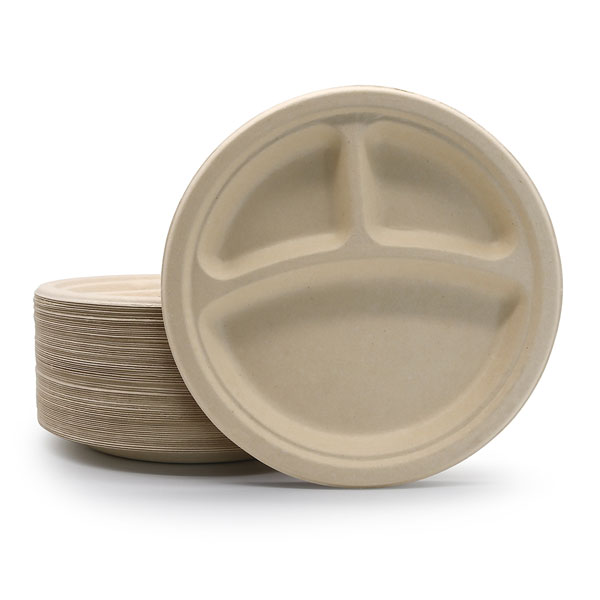
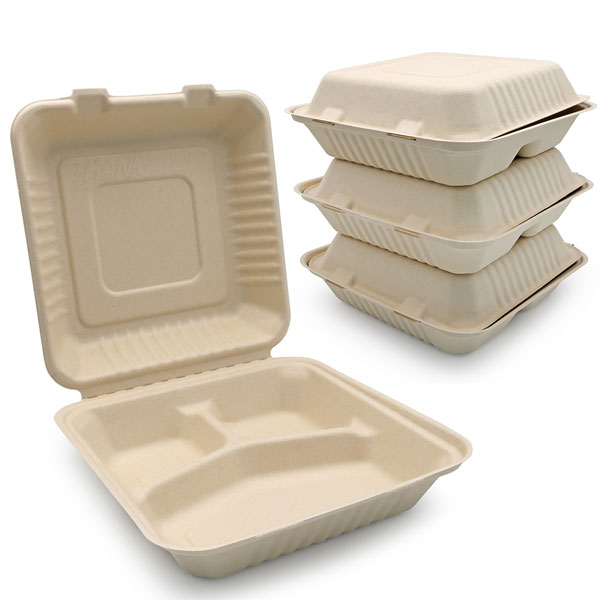
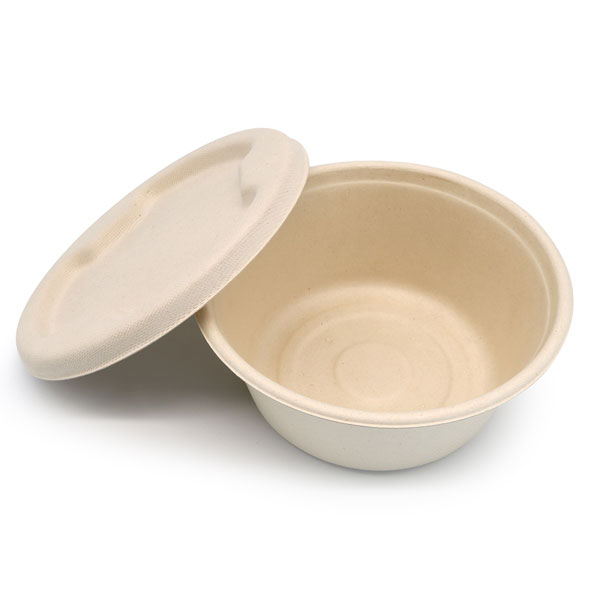
In the competitive landscape of China's fast-food industry, one international chain faced mounting pressure. Consumers, investors, and regulatory bodies were demanding tangible action on plastic waste. The brand's commitment to sustainability was being tested, and traditional "greenwashing" tactics would no longer suffice. Their goal was clear but daunting: achieve a significant, verifiable reduction in single-use plastic across hundreds of outlets. The search for a scalable, functional, and genuinely eco-friendly solution led them to an innovative material: bagasse, or sugarcane pulp.
The choice wasn't arbitrary. Compostable plates and containers made from bagasse are a by-product of sugar production, utilizing waste that would otherwise be burned. This circular approach was a key selling point. Unlike some bioplastics that require industrial composting facilities, high-quality sugarcane pulp packaging is designed to break down efficiently in commercial composting systems, turning into nutrient-rich soil within months. For the fast-food chain, this meant a dramatic shift from petroleum-based plastics that persist for centuries to a solution that completes a natural lifecycle.
The transition extended beyond waste metrics. The chain discovered that well-designed compostable plates offered superior heat resistance and sturdiness compared to traditional plastic or paper alternatives, enhancing the customer dining experience for both dine-in and takeaway. This directly addressed a core operational pain point: container integrity. Furthermore, the natural, fibrous aesthetic of the packaging visually communicated the brand's environmental commitment, creating a powerful marketing tool at the point of sale and on social media.
Achieving a 35% annual plastic reduction required meticulous planning. The chain initiated a phased rollout, starting with side containers, salad bowls, and plateware for specific meal combos—items where compostable plates made from sugarcane pulp could make an immediate, high-volume impact. They partnered with local municipal composting programs in key cities to ensure proper end-of-life processing, turning a potential logistical hurdle into a community engagement story. Employee training was crucial to ensure proper sorting and to empower staff to communicate the change to customers.
The outcome was resounding. Within the first year of full implementation in targeted regions, the chain not only met but exceeded its goal, recording a 35% reduction in virgin plastic use for packaging. This translated to thousands of tons of plastic waste eliminated annually. The case study became a benchmark within the corporation's global operations, proving that large-scale environmental action is commercially viable. It demonstrated that switching to compostable plates and packaging isn't just an ethical choice—it's a strategic business decision that drives brand loyalty, mitigates regulatory risk, and builds resilience for the future.
This China case study offers a clear blueprint. The success hinged on selecting a material that is genuinely sustainable, functionally superior, and scalable. For businesses looking to make a similar impact, the first step is auditing your highest-volume disposable items. Partner with a custom compostable plates manufacturer who can ensure supply chain reliability and provide certifications (like BPI, OK Compost INDUSTRIAL). Remember, the story you tell customers about your packaging is as important as the packaging itself. By choosing sugarcane pulp, you're not just buying a container; you're investing in a circular economy narrative that resonates powerfully with today's eco-conscious market.