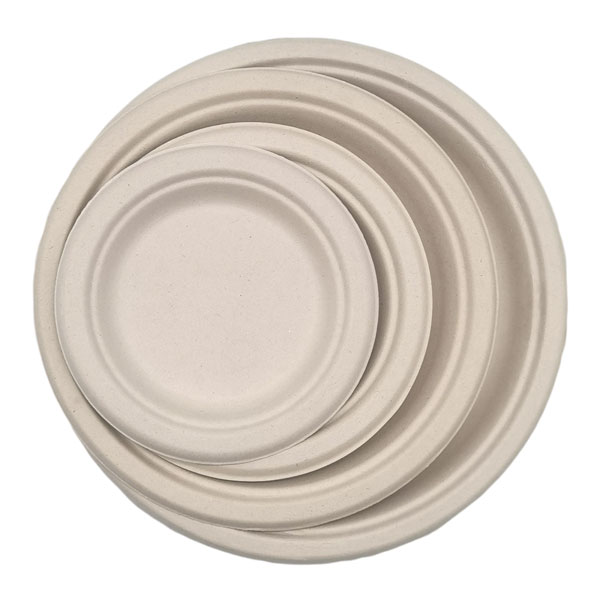
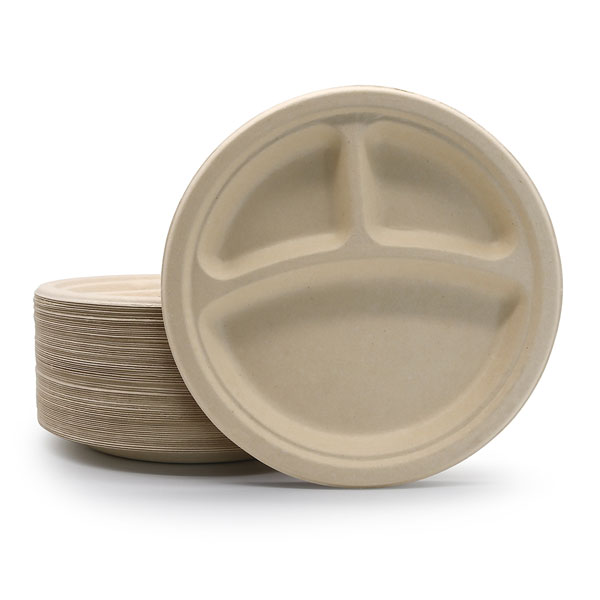
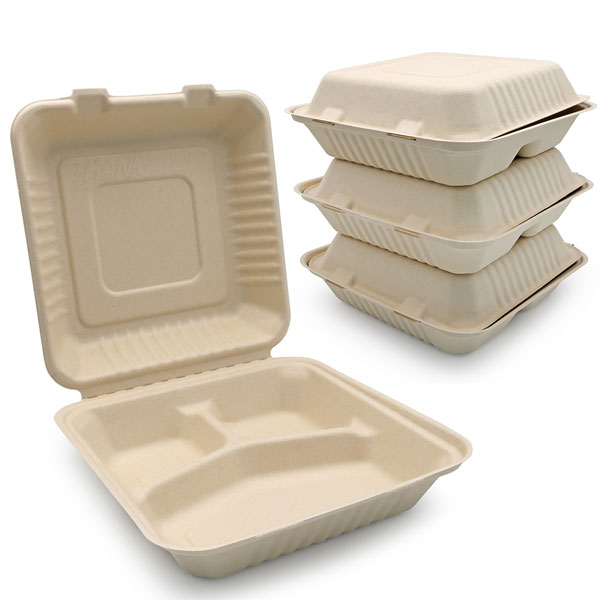
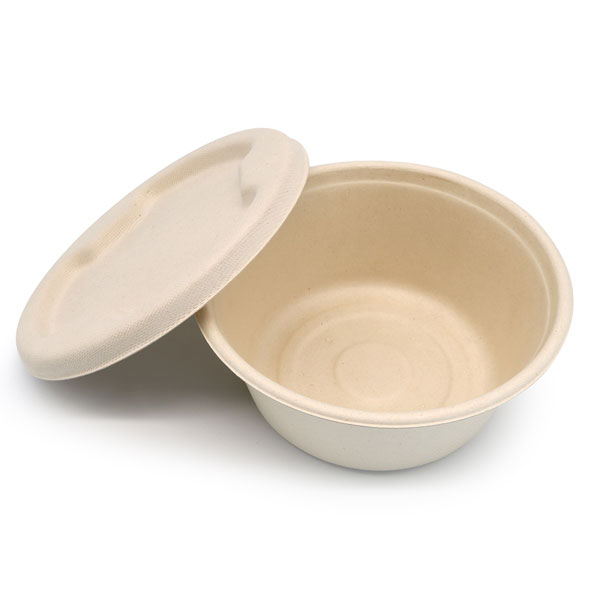
School cafeterias face a dual challenge: managing overwhelming food waste while providing a positive dining experience for students. Traditional plastic or foam trays contribute to landfill mass and often fail to keep food appealing. This is where sustainable packaging, specifically compostable plates made from bagasse, emerges as a game-changing solution. Made from the fibrous residue of sugarcane after juice extraction, bagasse containers offer a durable, planet-friendly alternative that directly addresses operational and environmental pain points.
Studies indicate that presentation and container functionality significantly impact food consumption. Flimsy plates that leak or become soggy can discourage students from finishing their meals. Compostable plates crafted from bagasse are inherently sturdy and leak-resistant. Their natural fibrous structure provides excellent insulation, keeping hot foods warm and crisp foods drier for longer. This superior presentation and functionality make meals more inviting, encouraging students to consume what they take. Pilot programs in school districts have reported reductions in overall food waste by approximately 30% after switching to bagasse-based serviceware, as more food ends up being eaten rather than discarded.
The benefit continues after the meal. Unlike plastics that contaminate waste streams, used bagasse containers can be composted along with food scraps. In a school composting program, they transform into nutrient-rich soil within months, closing the loop beautifully. This practical lesson in circular economy reduces landfill fees and provides tangible educational opportunities for students about sustainability in action.
A positive lunch period is crucial for student well-being. Compostable plates made from bagasse are free from harmful chemicals like PFAS, ensuring food safety. Their natural, off-white appearance is aesthetically pleasing and subconsciously communicates cleanliness and care. The sturdiness prevents embarrassing spills and collapses, making the dining experience more enjoyable and dignified for students of all ages.
Adopting bagasse containers is more than an eco-friendly gesture; it's a strategic operational decision. It aligns with district sustainability goals, engages the school community in environmental stewardship, and can lead to long-term cost savings through waste diversion. When sourcing, look for certified compostable plates (like BPI or OK Compost HOME) to ensure they break down correctly in commercial or backyard composting systems.
For school cafeterias aiming to reduce their environmental footprint, cut down on food waste, and elevate the student dining experience, bagasse containers present a compelling solution. These durable, functional, and truly compostable plates address key administrative pain points while teaching the next generation a valuable lesson in responsible consumption. It's a sustainable packaging solution where every meal served contributes to a healthier planet and a better school environment.